Free Miners of the Forest of Dean.
Digging for Coal.
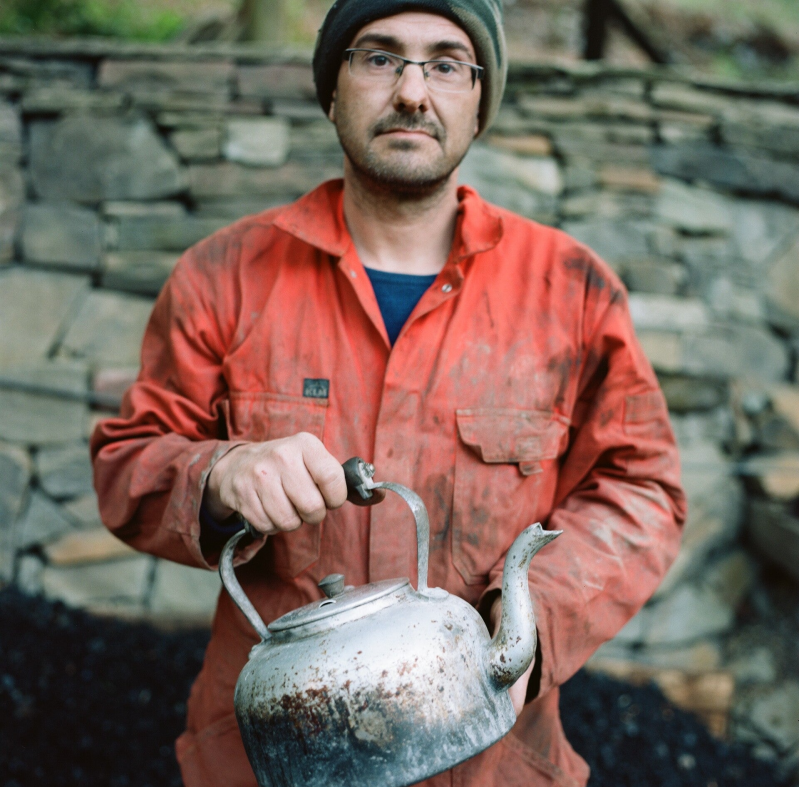
Photo: Adam, one of the dedicated Coal Miners with his kettle.
Photography by David Cross.
Text by Iain Jamieson. (Miner).
Free Miners.
"All male persons born or hereafter to be born and abiding within the said Hundred of St Briavels, of the age of twenty one years and upwards, who shall have worked a year and a day in a coal or iron mine within the said Hundred of St Briavels*, shall be deemed and taken to be Free Miners." the Dean Forest (Mines) Act 1838.
*The ancient administrative district, known as the "Hundred of St Briavels", is generally considered to be the whole of the statutory Forest of Dean and each parish adjoining it. And, as of 2010, the gender requirement has been recognised as archaic and women are now allowed to become Free Miners.
The Dean Forest (Mines) Act 1838 had prevented women and children* from working underground in Forest mines.
*A child was defined as being under the age of 10! Thanks to the sex discrimination act 1975 women may now work underground.
Once a person has achieved the requirements of being a Free Miner they can approach the Deputy Gaveller, a post established in medieval times, and request a gale to mine. At time of writing the current Deputy Gaveller is Dan Howell.
A gale is a three dimensional area of land within the Forest of Dean which a person may mine a seam of coal. They may also use an area above ground which is defined by a ‘stone’s throw’ to have buildings and the like.
Freemining continues to be an important aspect of Forest of Dean culture and an important part of local identity. There are 6 mines currently being worked by about 20 men. No pit ponies, women or children are employed.
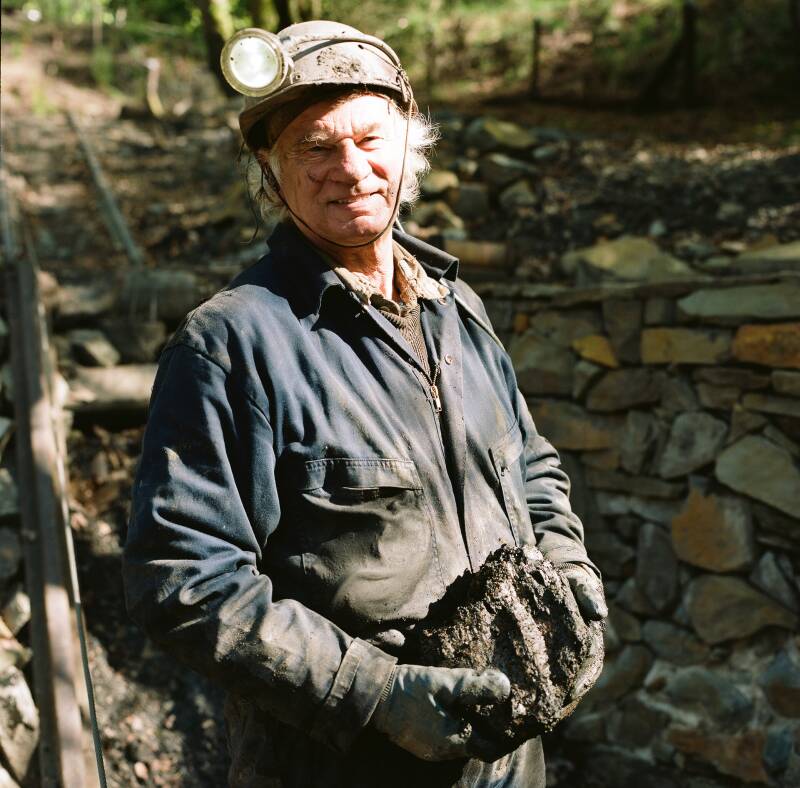
Photo: Mike Howell, the one time Master of Free Mining, who sadly passed away, underground amongst friends.
Wallsend Colliery History.
Wallsend Colliery is situated in the tranquil Howbeech valley between Parkend and Blakeney, near Mallards Pike. It is split into two gales, Wallsend North and Wallsend South. The colliery mines the Coleford High Delf coal seam which ranges from 3 to 5 foot thick in places.
The colliery operated between 1860 and 1920 as a commercial enterprise with two adit level entrances and a shaft. The shaft was to lift the coal to screens which then emptied into the 44 ten ton railway wagons which were owned by the mine. They then travelled onwards to the Forest of Dean Central Railway. The colliery was large enough to have its own siding leading to the mainline. Parts of this are still visible.
In 1880 8,847 tons of steam coal was produced by the colliery this equates to £1,770,000 worth of coal in today’s money. This was with a workforce of around 200 men and 9 pit ponies. The names of the ponies are recorded in the mine’s inventory.
On the 6th of February 1920 an auction was held at the colliery to sell off the assets of the mine after closure. A catalogue of the auction still exists and shows how big an enterprise Wallsend colliery was.

Photo: Iain Jamieson. Coal Miner and all round good chap.
Wallsend today.
In latter part of 2014 Mike Howell bought the rights to mine Wallsend South. With the assistance of Rob Rutsch and Phillip Schwarz they began the slow process of digging out the collapses and making safe the entrances to the mine. (All mines are required to have two means of egress in the case of a collapse blocking one exit). They are all free miners with decades of experience between them. The setting of timber supports and understanding the geology of underground takes years to master. Mike is an expert at reading the strata and setting the props which have been cut individually by Rob. They were assisted by Tim Buffin a long standing friend and communications installer.
As the years progressed the initial band of four were joined by individuals who are not free miners, but have an interest in keeping the traditions alive and wanted to learn new skills. They could never become free miners due to being born outside of the Hundred of St Briavels but can work in the mines of freeminers.
Jon ‘The Wall’ Smith, who has uncanny skill of building dry stone support walls with random lumps of rock was the first to join.
He was followed by myself, Iain Jamieson, who is not designed for fitting into small confined spaces but can move heavy items about with ease when required.
Paul Baverstock was next, he can fabricate almost anything required out of plastic, wood or scrap metal. The phrase ‘It is a different world underground’ has been attributed to him and copied by many.
Adam Taylor an expert fire starter and tea maker, is renowned for his ability with a pick underground was second from last to arrive.
Finally Ed Morgan Dyer joined the happy gang. He is a keen tunnel maker and is usually found exploring the 1860 part of the mine when he isn’t identifying unusual rail.
Between us, under the expert guidance of the free miners, we have cleared tunnels, installed a ‘bread hut’, laid hundreds yards of rail, built and powered a shaker deck for grading coal. This has been done by hand (Muddy) and with the assistance of tea brewed on our own coal fire.
The small cart when laden with coal or spoil is pushed by hand, by Phil through the small spaces from the coal face to pit bottom for the journey out to the shaker. Despite being 70 years old, ‘the silverback’ will travel the route 10 to 15 times a day without too much complaint.
One evening David arrived asking to document what we did with his photography skills. We are always happy to share our passion and history with visitors but safety comes first. We didn’t want him hurt or his expensive equipment damaged.
David listened to our concerns and followed instructions to keep himself safe, however we had NOTHING to do with him dressing up like a *banana to go underground. It was quite amusing but we kept quiet. *He bought a bright yellow plastic outfit.
The mine is currently worked two days and one evening each week, everyone volunteers their time and labour. Most of the equipment used has been donated by other free mines and normal tools are often adapted for our use underground.
The coal that is ‘won’ (a term specific to coal mining) is sold at the pithead to locals to offset some of our costs. No one makes any money from the mine, it is a hobby, a tradition, a place to meet and learn.
This might sound like an episode of ‘Last of the Summer Mine’ but we do take safety seriously. We are inspected by the Deputy Gaveller, The Coal Authority and the Mines Inspectors regularly. Forest Coal mines can be dangerous places with gases that don’t smell but can kill you. Please don’t explore them. We are all members of Cave and Mine Rescue but don’t want to meet you in that role.
We welcome visitors and we welcome visitors with cake even more. You don’t have to go underground to chat to us.
We are grateful to David Cross for taking the time to document what we take great pride in and hope that some interest will be raised by this exhibition.
Iain Jamieson. April 2019.
Acknowledgements;
With thanks to reference books written by David E Bick, Ian Pope and Paul Karau. Historical maps and surveys by Dan Howell, ex-Deputy Gaveller.
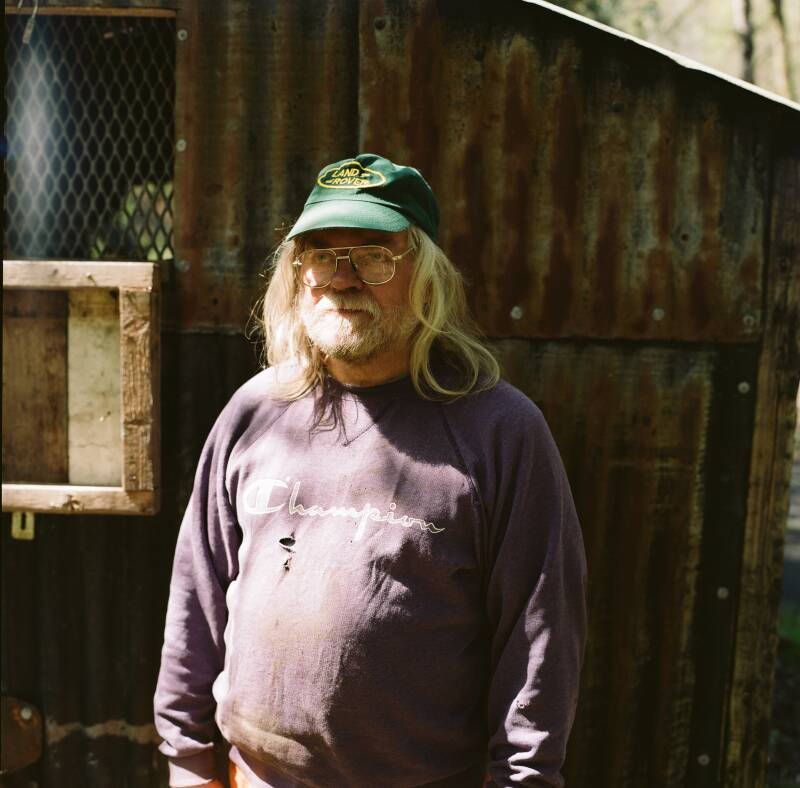
Photo: Free Miner, Phillip Schwarz.
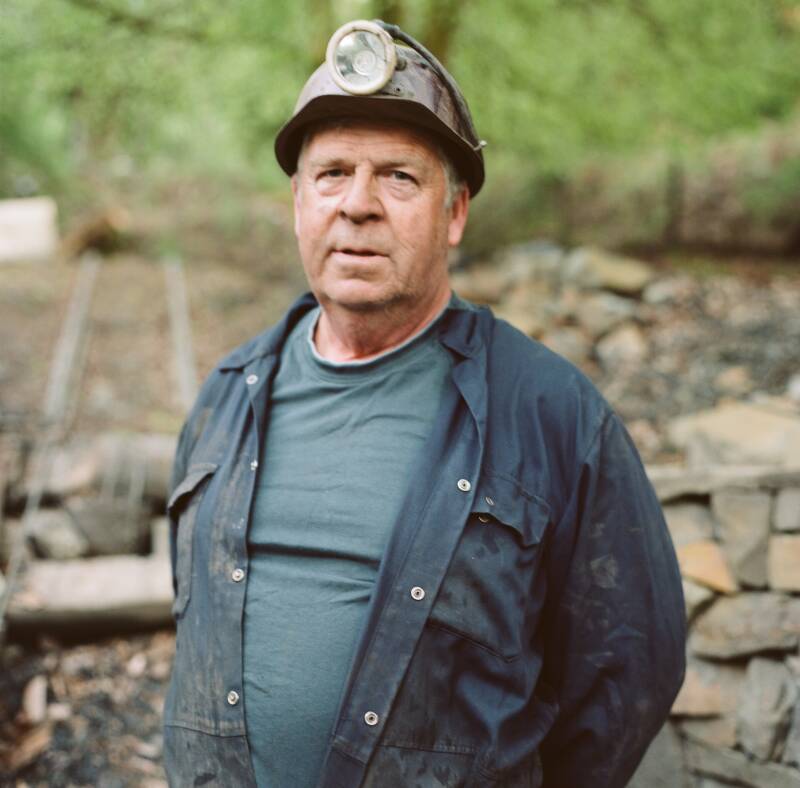
Photo: Rob Rutch.
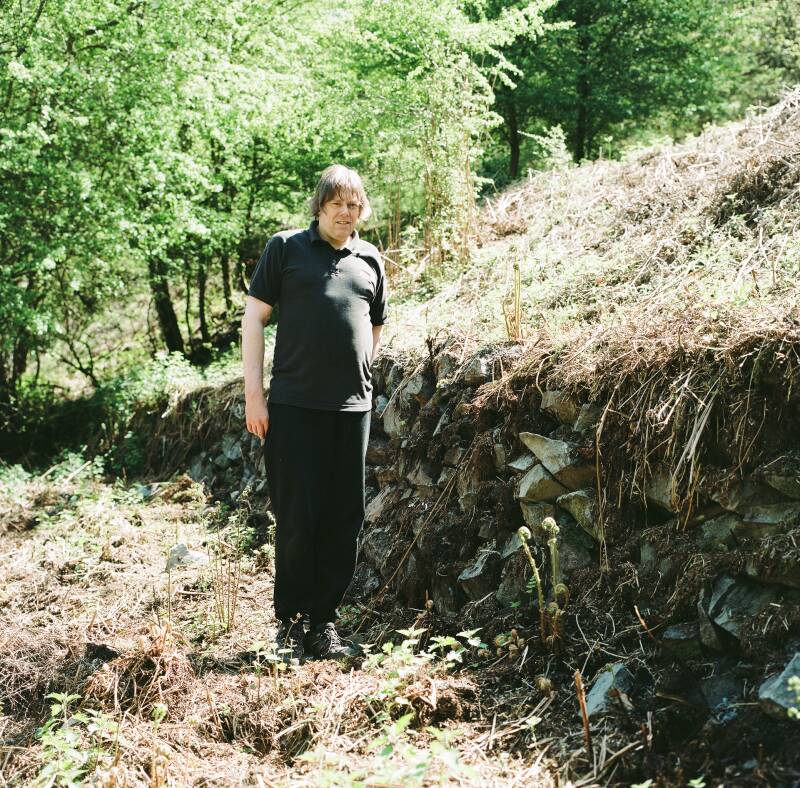
Photo: Jon "the wall" Smith, next to one of his retaining walls.

Photo: Paul Baverstock, with ornament carved in local coal.
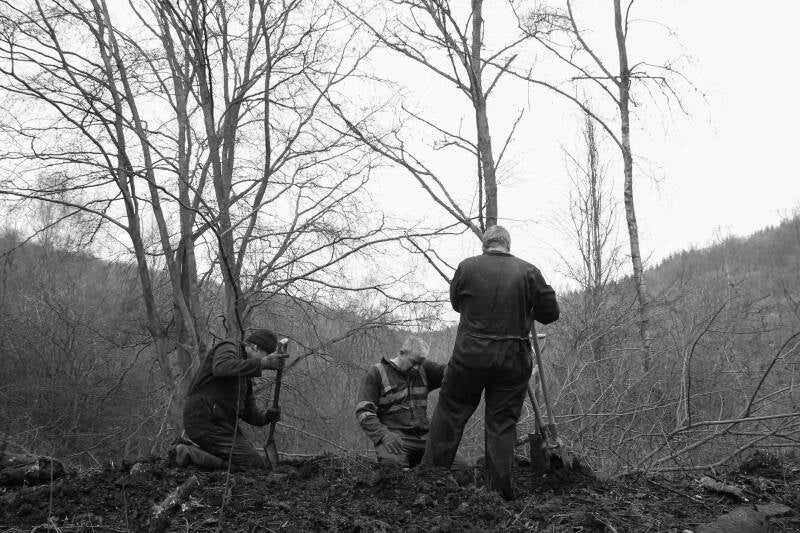
Photo: Jon, Iain and Rob, working together on the surface. There is a surprising amount of surface work to be done throughout the year, to keep things in shape and to allow for progress underground.
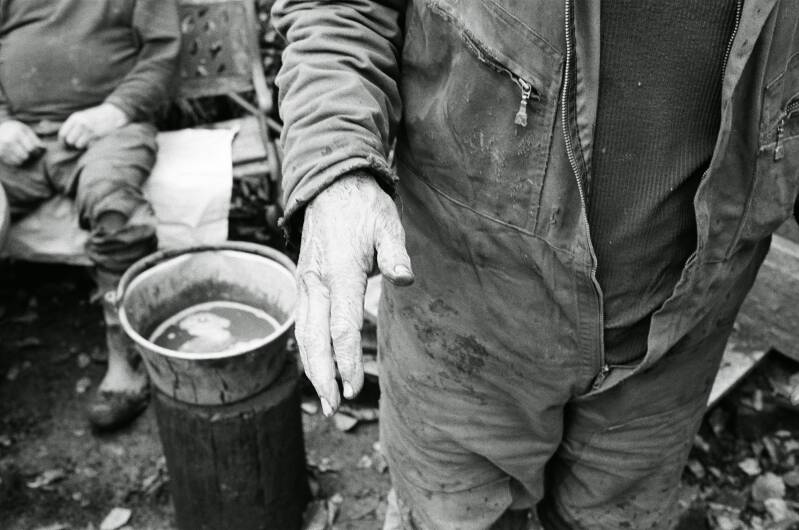
Photo: The extended hand of friendship, from the late Mike Howell.

Photo: Phillip Schwarz prepares to go underground.
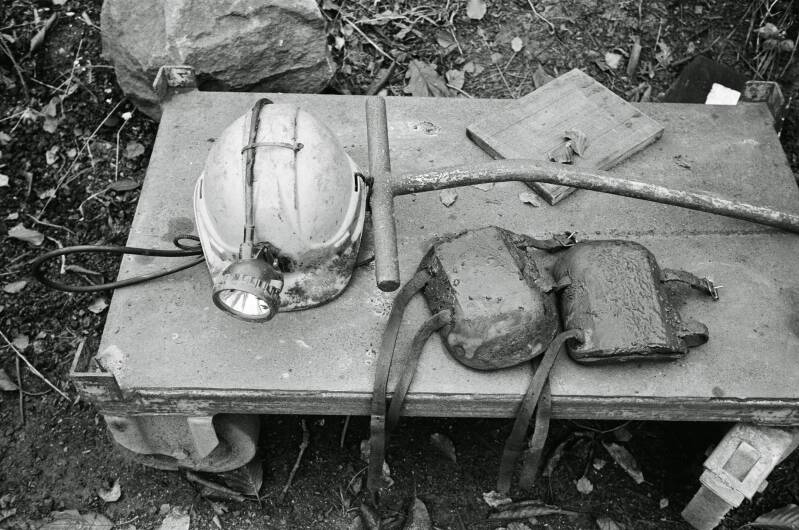
Photo: Helmet with torch and knee pads. It soon became nearly a kilometre long crawl to get to the Coal Face.
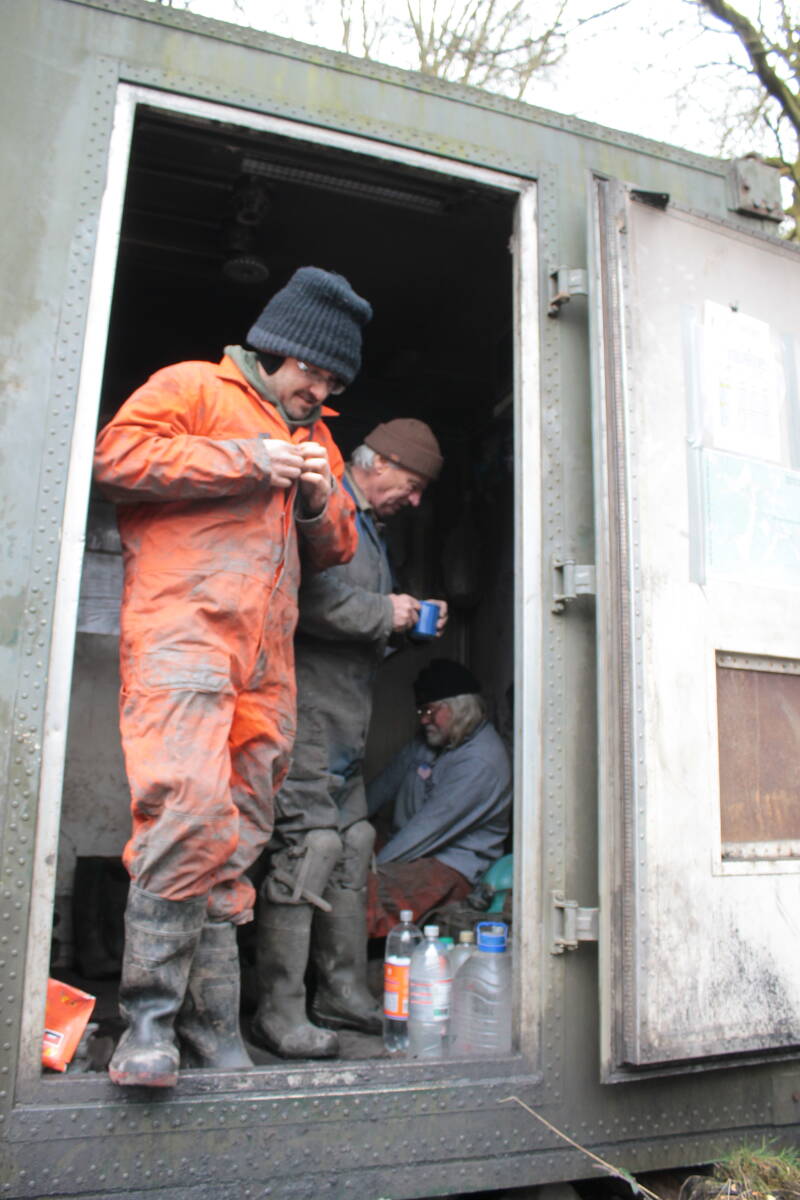

Photos: Adam, Mike and Phillip prepare to go underground. A laugh and a joke, usually at someone's expense, was never in short supply.
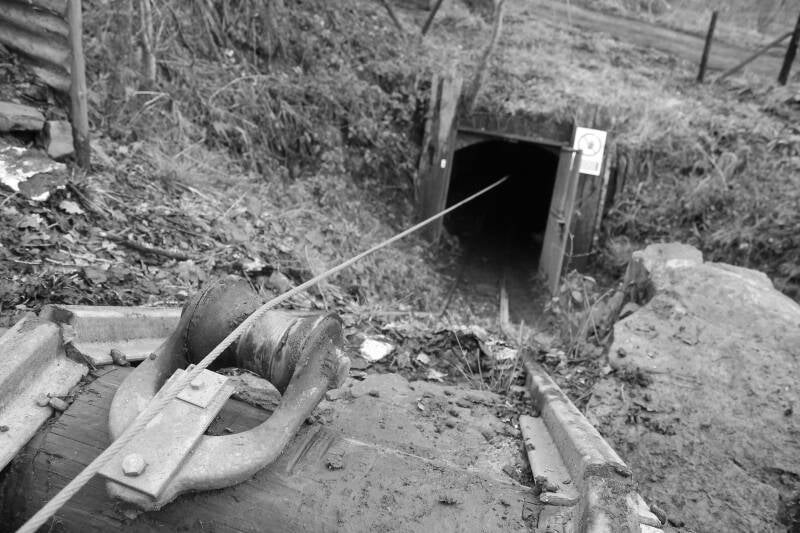
Photo: The Mine entrance which begins with a casual walk and soon becomes quite serious.
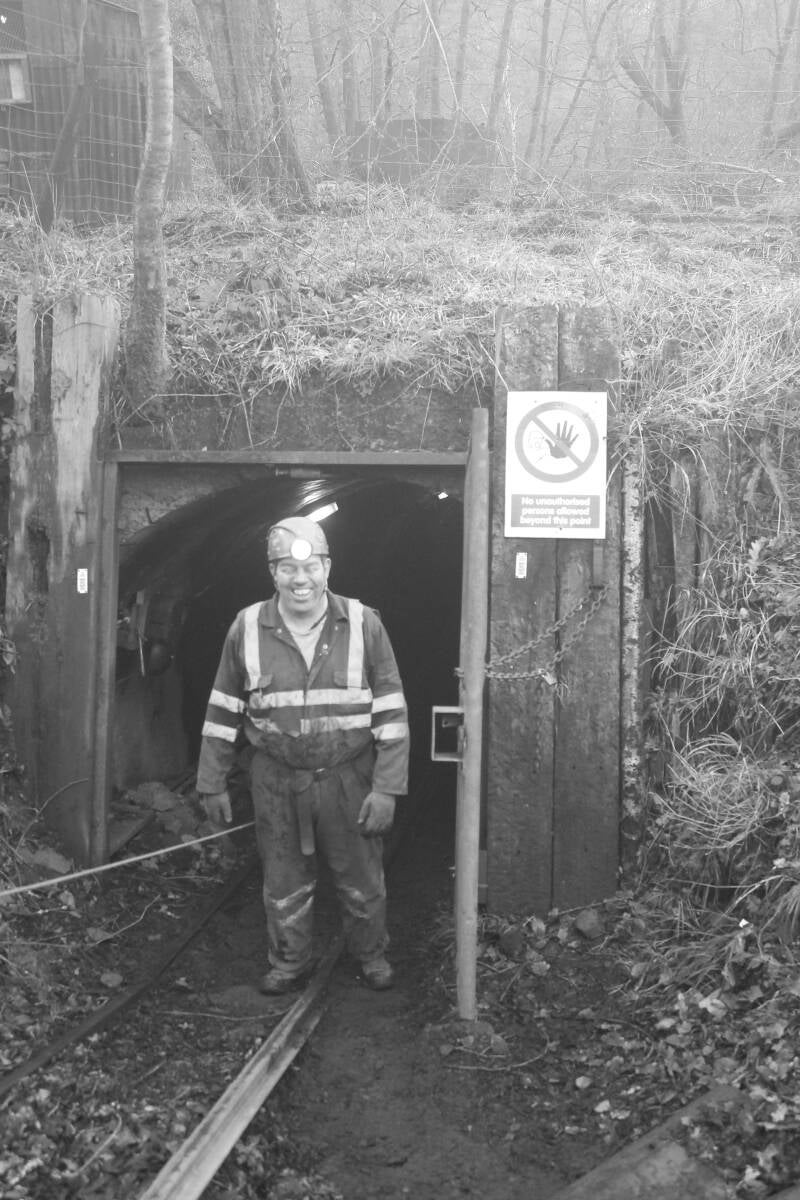
Photo: Iain at the entrance.
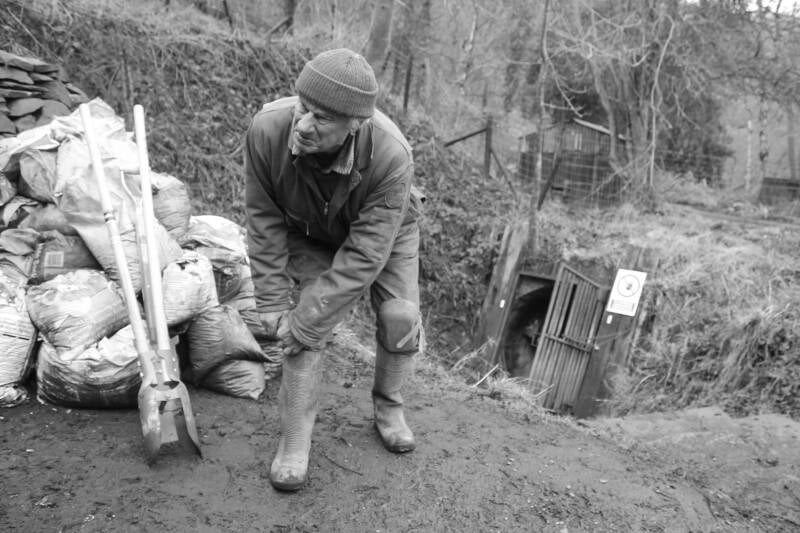
Photo: Mike, adjusting his knee pads before the long crawl to the active coal face, also called the Seam.

Photo: After a short walk, you turn sharp left and so begins the journey into the mine proper. A regular fixture here is Phillip, chief cart pusher. He is responsible for bring the coal up from the Seam, this is done manually. Here, Phillip is removing a cart full of waste rock.

Photo: Mike Howell, deep in the mine, at the Coal Face. The "trugs" (buckets) are full of Black Gold, as they call the highest quality coal. This will be hauled to the surface and run through the Grader and eventually bagged.
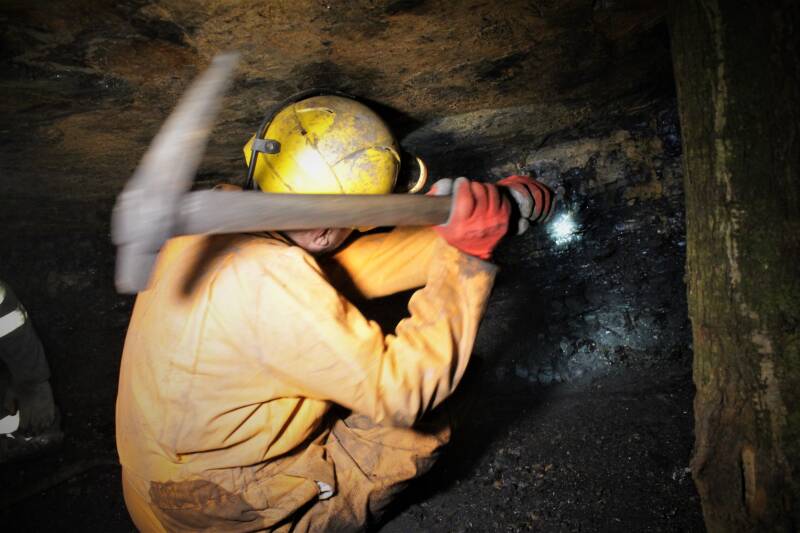
Photo: Adam swings the pick at a fairly wide Seam. Often the coal Seam is only inches deep.
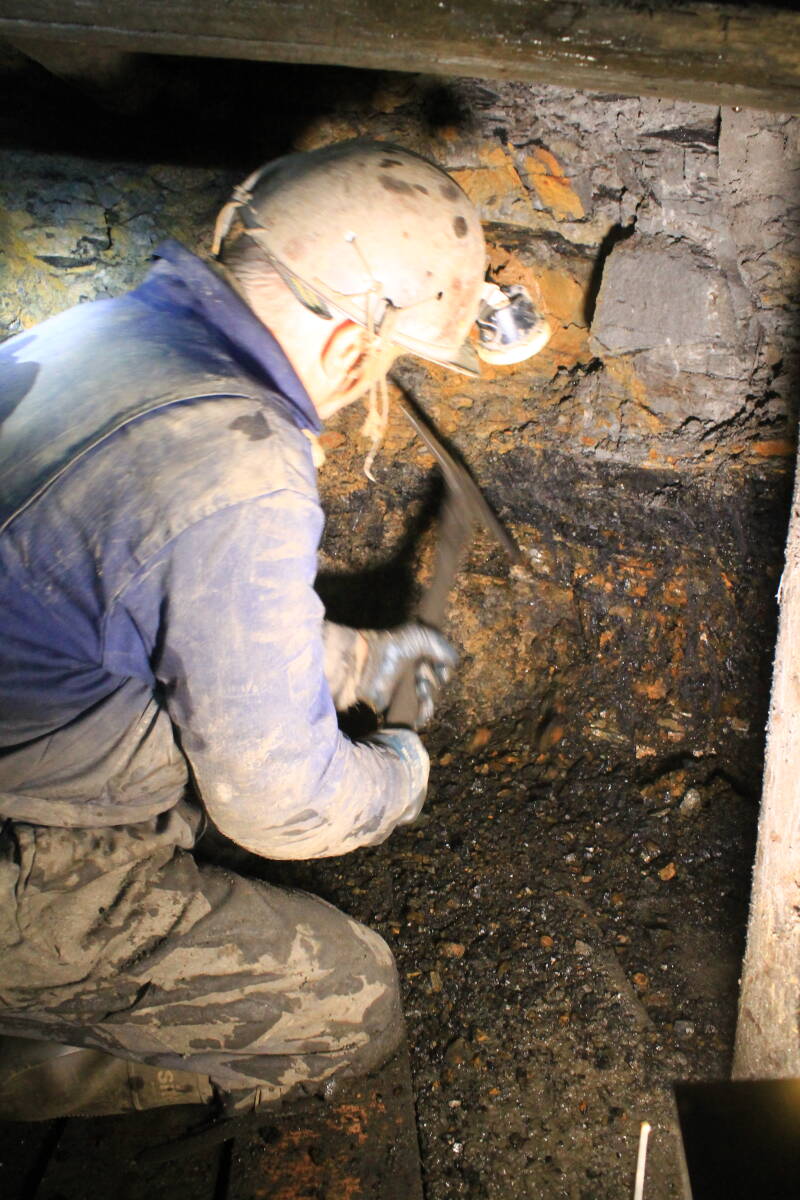

Photos: At the Seam, Mike works the coal and explains the finer points of geology, and coal extraction.


Photo: Trugs of Black Gold. This stuff fuelled an empire, powering boats, trains and factories. It made vast fortunes for many and it also poisoned the land, sea and air. It continues to do so, yet humans are currently stuck with it, vast amounts are still burnt daily around the world, including the U.K. as other developing nations, take their turn.
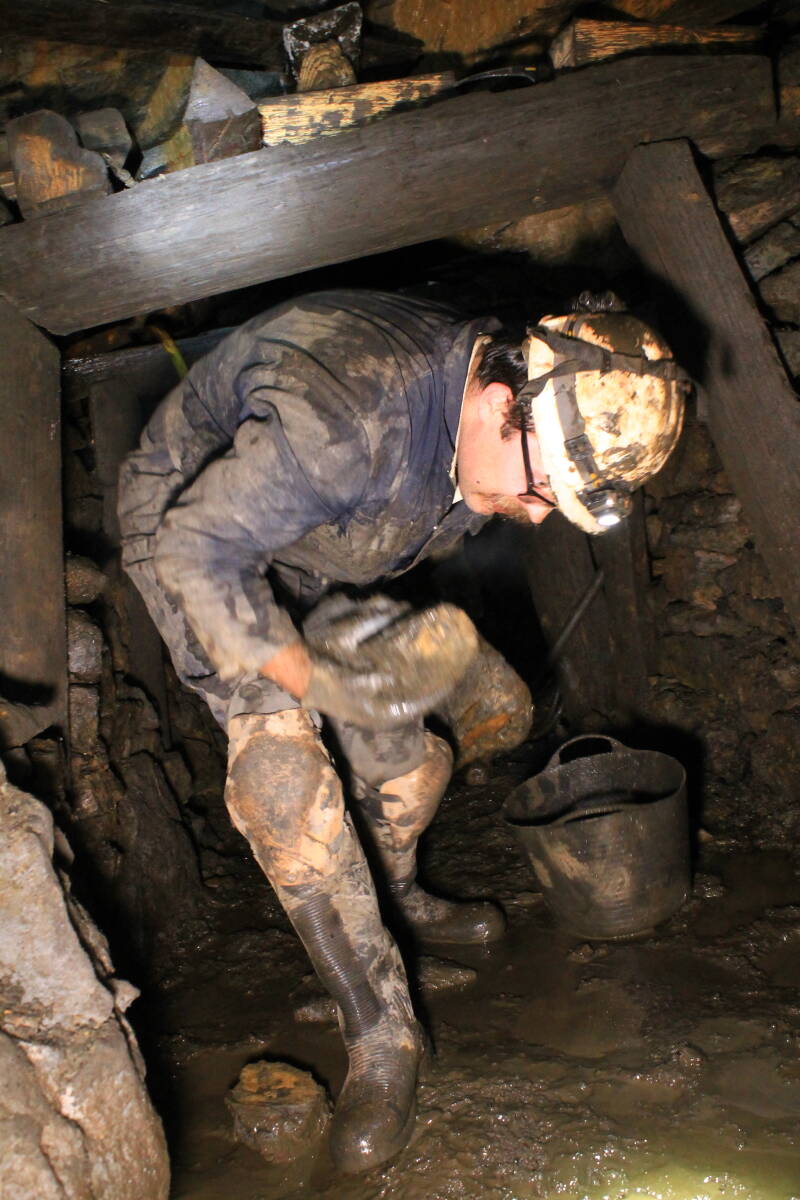
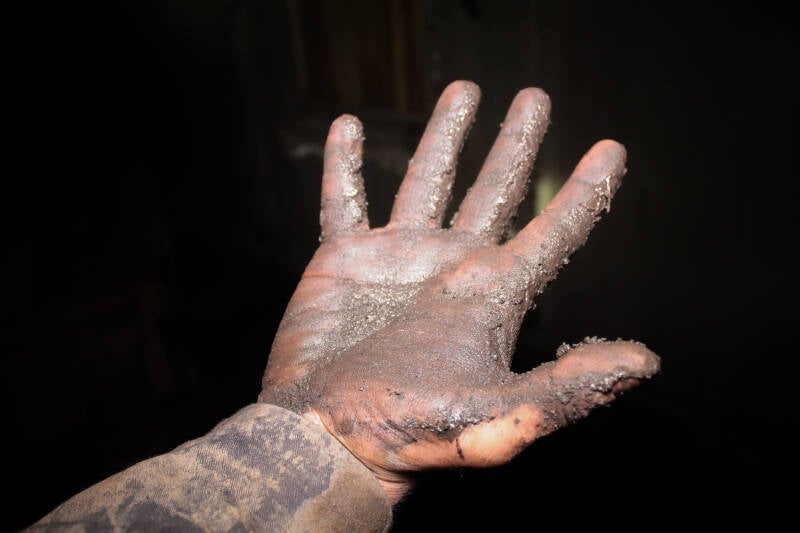
Photo: Ed Dyer is a very tall man, and cobbler by trade, in a very small space. The work is filthy and often romanticised by amateur photographers.

Photo: Back on the surface, Jon gets a brew on. It can be balmy underground and minus 2 on the surface, the stove is always hot.

Photo: Inside the workers hut, contempt is duly shown for every miners favourite lady.
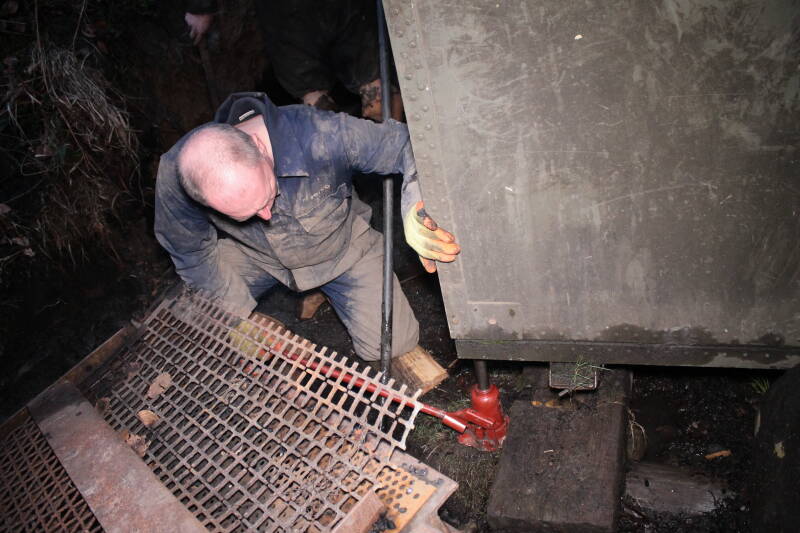
Photo: A new coal grader was bought, which meant the hut had to be moved. It was a long and bitter cold night.

Photo: Everyone pulled, and pushed together in true solidarity to move the half tonne steel hut.

Photo: The (old) Grader, it shook and it rattled, and eventually gave up.
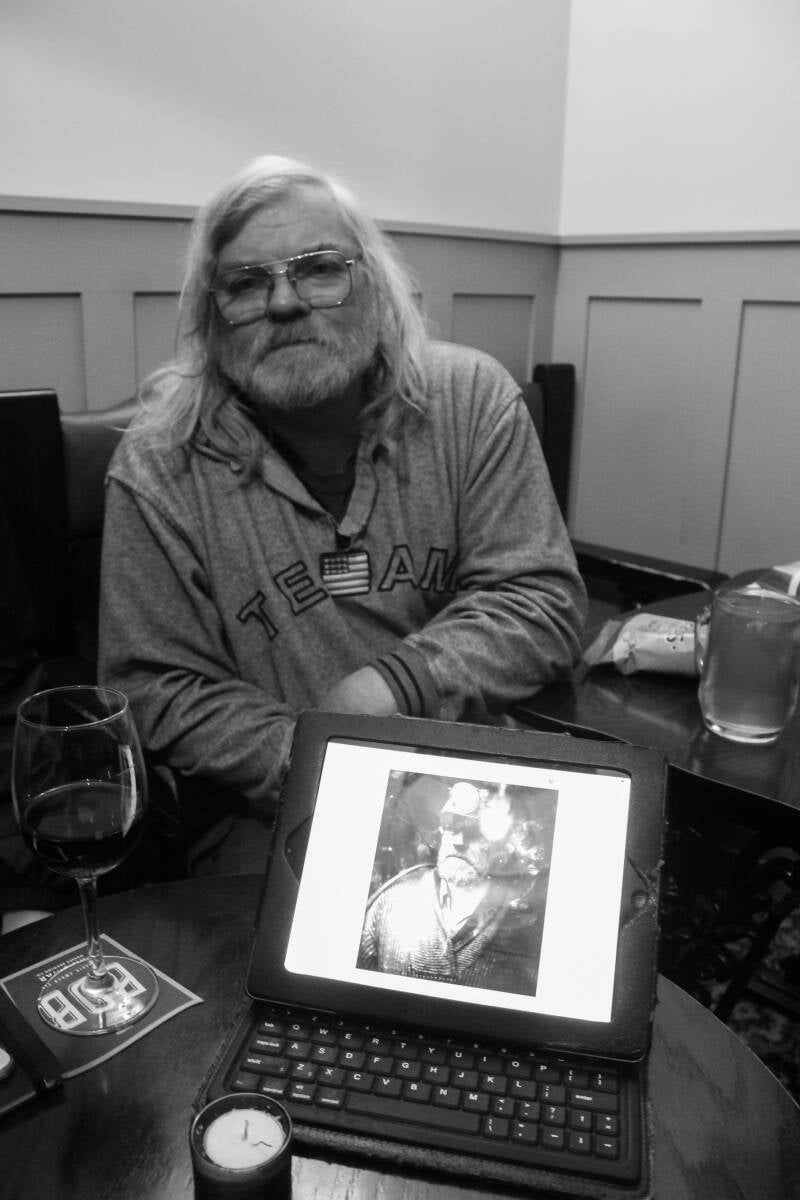
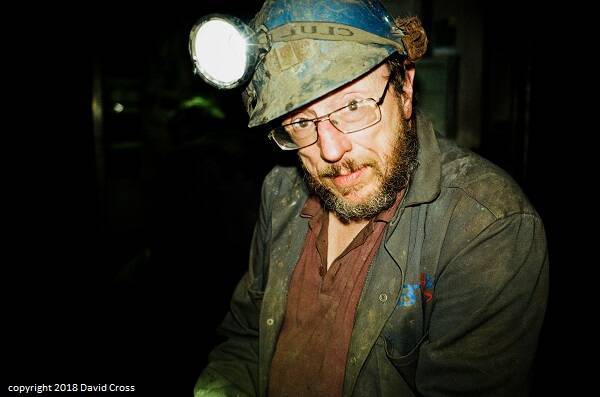
Photos: Phil Schwarz, a lifelong Miner and Tim Buffon.
This photo essay was exhibited across the Forest of Dean and South Wales for nearly a year, and showed the sense of community within the Coal Mining "family". It was later published by The Independent.
The photographer is eternally grateful to the Free Miners of the Forest of Dean and everyone at Wallsend and ArtSpace, Cinderford.
The work is dedicated to Mike Howell, his friends and Family.
To get a glimpse of the modern history of Coal Mining and how far reaching the community spirit is, particularly in times of struggle, the photographer suggests the book, Coal not Dole, by Michael Kerstgens. This is by far the superior work made on the subject.
Thanks for viewing, please like and share to show your support.