Weaponised Sport.

Photo above; Padua 2024, Sunday match.
Nowhere Matches.
Photos & text by Filippo De Rossi.

Photo above; Padua, 2024.
Cricket is the second most widely played sport in the world and, since its origins, its history has been intertwined with the major social and political forces of different eras, from colonialism to globalization. In Italy, after initially being an elite pastime practiced by diplomats and entrepreneurs, cricket has transformed into the sport of workers coming from countries such as India and Pakistan, where it holds a significance comparable to religious faith.
Despite the presence of approximately 500,000 residents in Italy originating from the Indian subcontinent, cricket remains largely invisible. It is often mistaken for polo or croquet, dismissed as an “immigrants’ sport,” and pushed to the margins of public perception. While some official teams have emerged around industrial and shipbuilding areas - where Pakistani, Indian, Bangladeshi and Sri Lankan communities are more numerous - the game mostly survives on improvised fields carved out of abandoned urban spaces and peripheral industrial zones. Here, the pitch is marked with strips of white adhesive tape and the wicket is reduced to a pair of bricks. These matches have neither stands nor spectators; they are ghost matches present, persistent, and yet unseen.
Cricket in Italy talks about these invisible presences. It tells of long days spent playing and of spiced tea, of the search for one’s roots and of self-affirmation that becomes a struggle to claim a place in which to exist. In this sense, cricket becomes a ghost of the everyday: a practice that inhabits interstitial spaces, carrying memories, identities, and desires that refuse to fade. In these ephemeral fields, the past continues to breathe within the present, revealing itself through gestures, rituals, and shared time - subtle presences that remain unacknowledged.

Photo above; Padua, 2024. Sunday training.
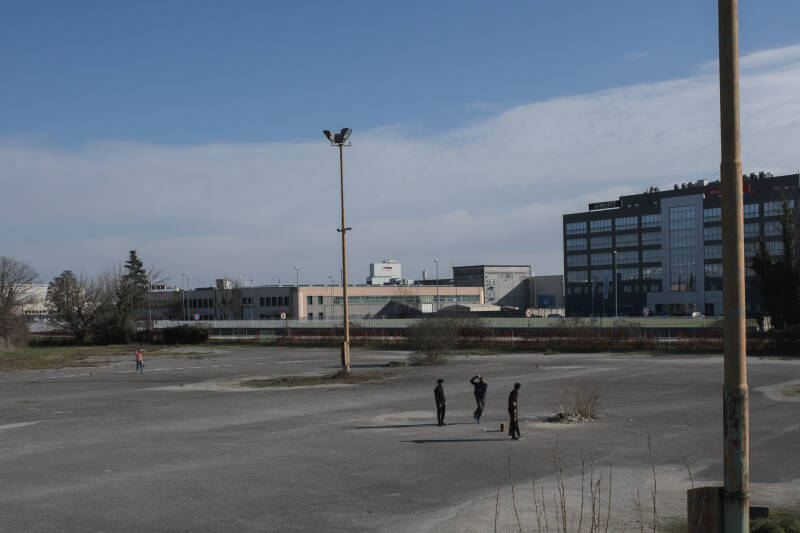
Photo above; Padua, 2025. Cricket is played wherever there is enough space: public parks, abandoned parking lots, unused industrial areas. Over the years, some municipalities have introduced so-called “anti-cricket” regulations that restrict the game in public spaces. The simple request for a place to play thus becomes an act of self-determination and, at times, a political confrontation with local authorities still wary of migrant communities.
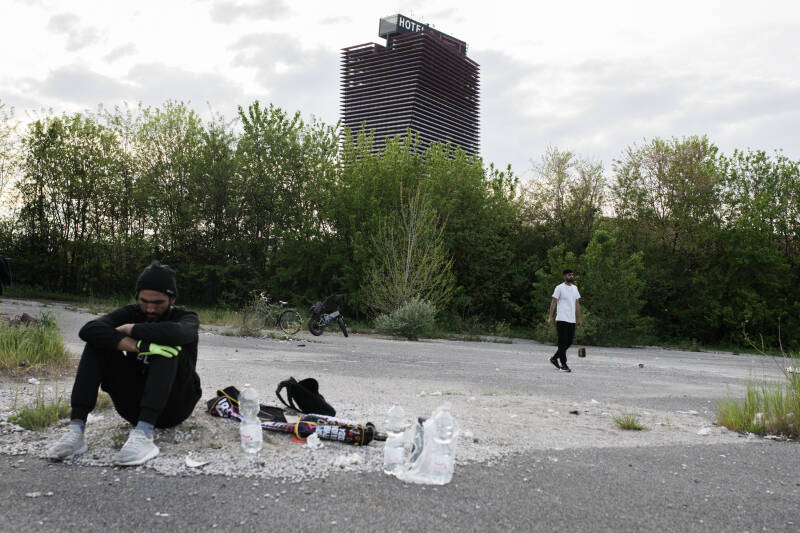
Photo above; Padua 2025, An abandoned parking lot turns into a playing field.
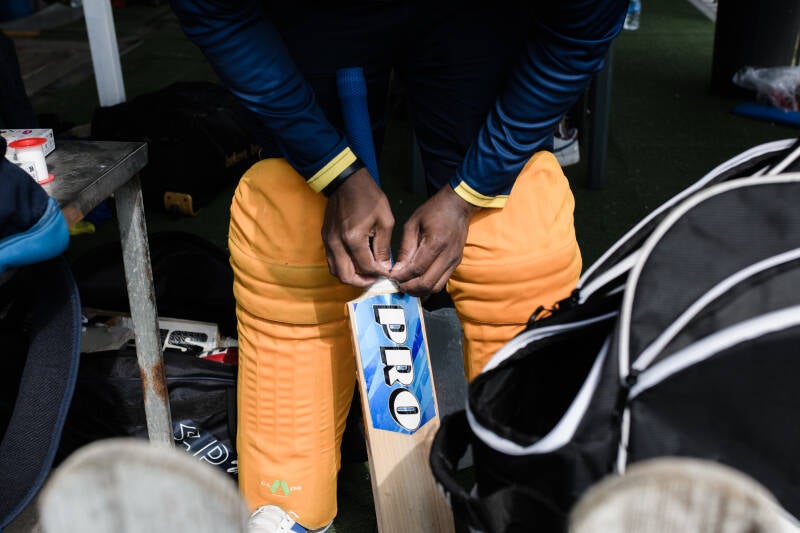
Photo above; Padua, 2025.
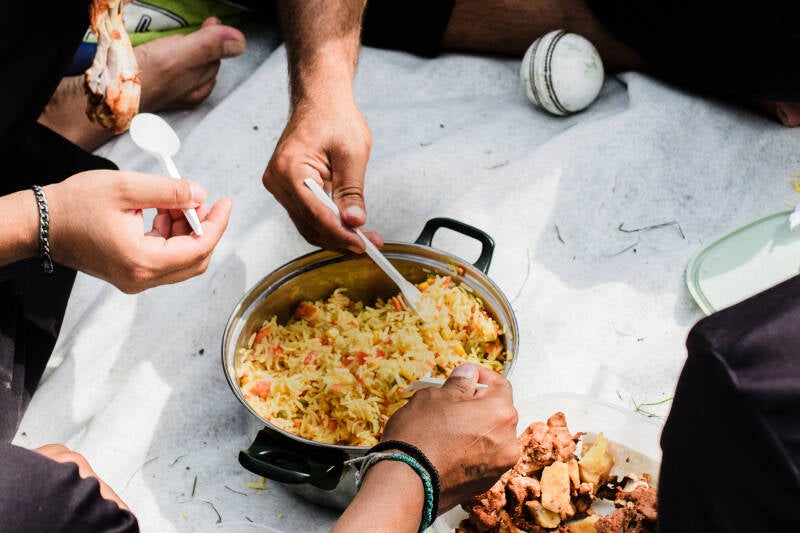
Photo above; Venice, 2025. Lunch during a match.
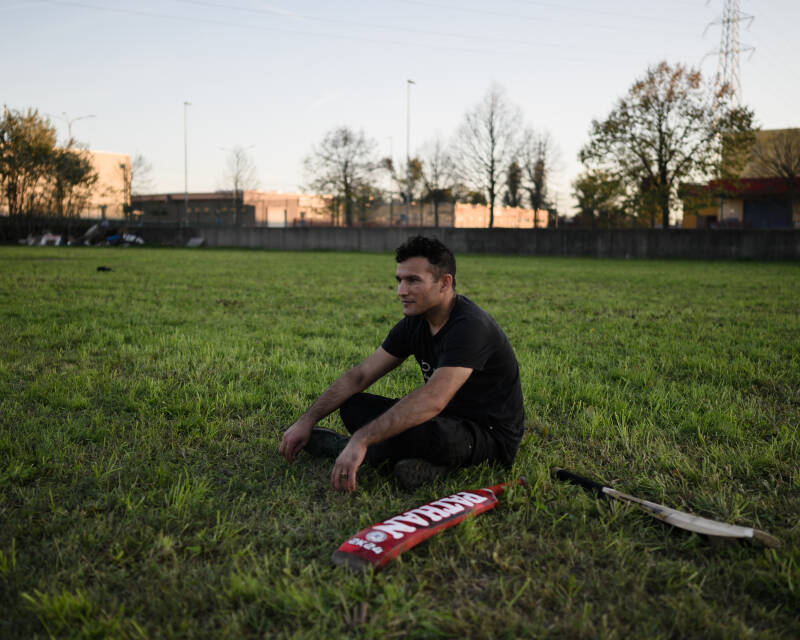
Photo above; Padua 2024, Sunday match.
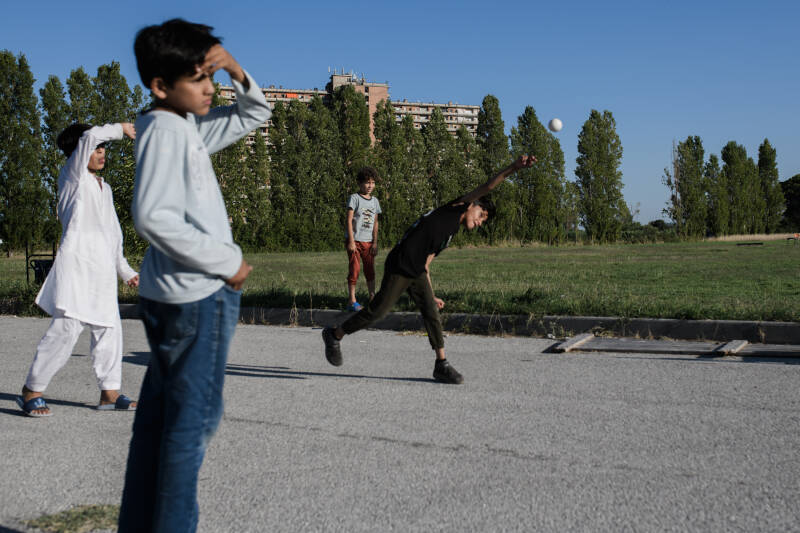
Photo above; Porto Recanati, 2025. The Hotel House in Porto Recanati is a seventeen-storey building that, during the summer months, is home to up to 4,000 people from around forty different countries. Built far from both the beach and the town centre, the complex has come to symbolise social segregation and the marginalisation of migrant communities.
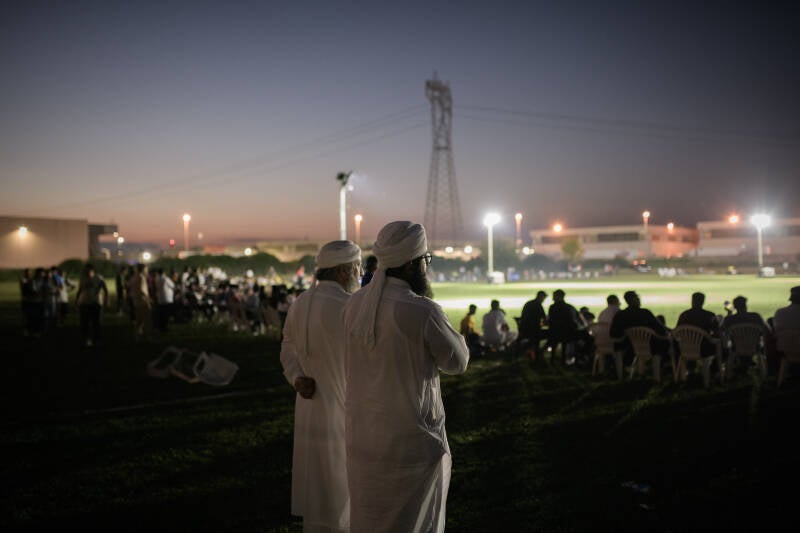
Photo above; Padua, 2025. An important tournament featuring amateur teams from all over Italy.
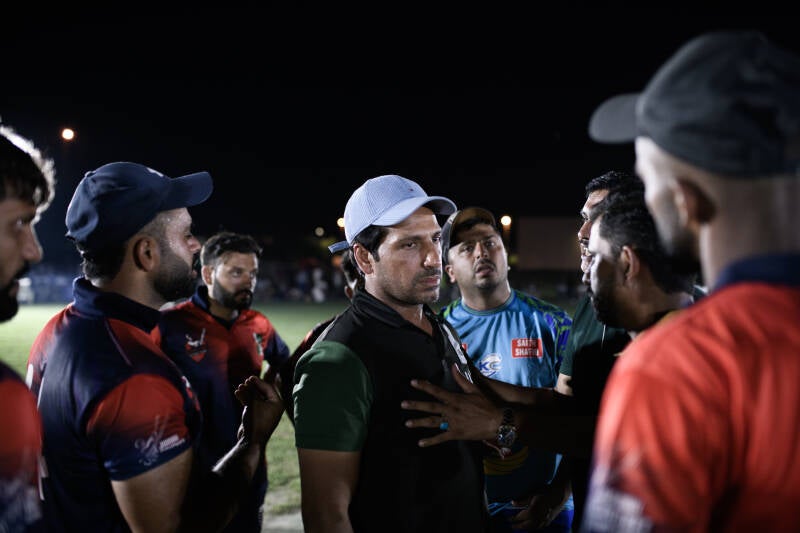
Photo above; Padua, 2025.
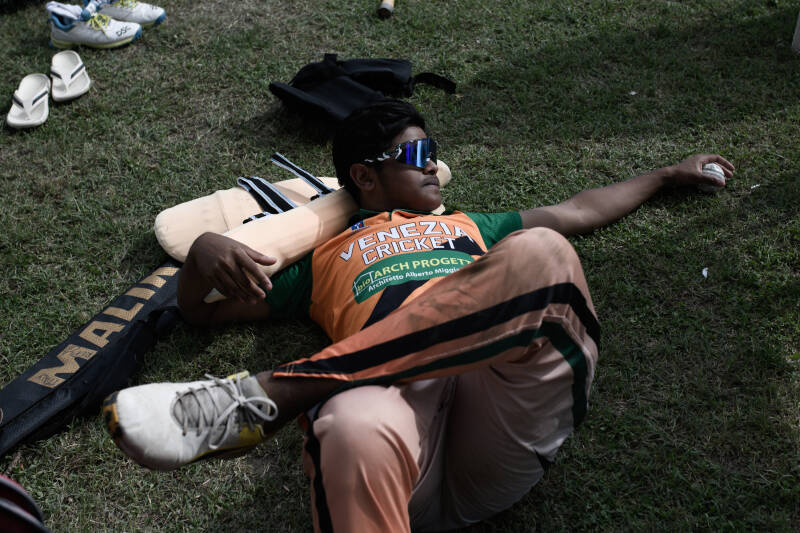
Photo above; Venice, 2025. Many teams are formed around industrial areas and shipbuilding districts, where Pakistani, Indian, and Bangladeshi communities are more numerous. Here, cricket becomes both a link to the country of origin and a way to build relationships and identity in territories that often remain on the margins.
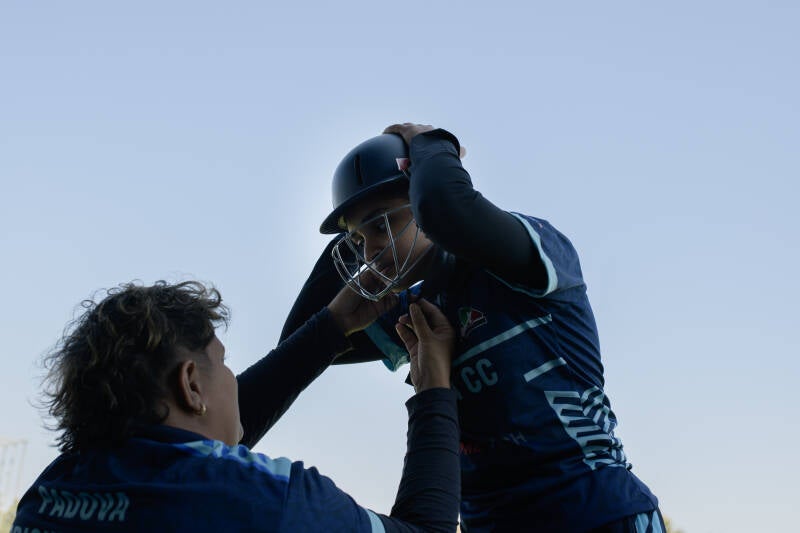
Photo above; Padua, 2025. In every sport, women’s presence is an achievement, but in some communities it also becomes an act of everyday resistance. Women’s cricket teams — often made up of players’ wives, sisters, and daughters — are spaces where the game turns into possibility: for autonomy, for visibility, and for family and social emancipation, both on and off the field.
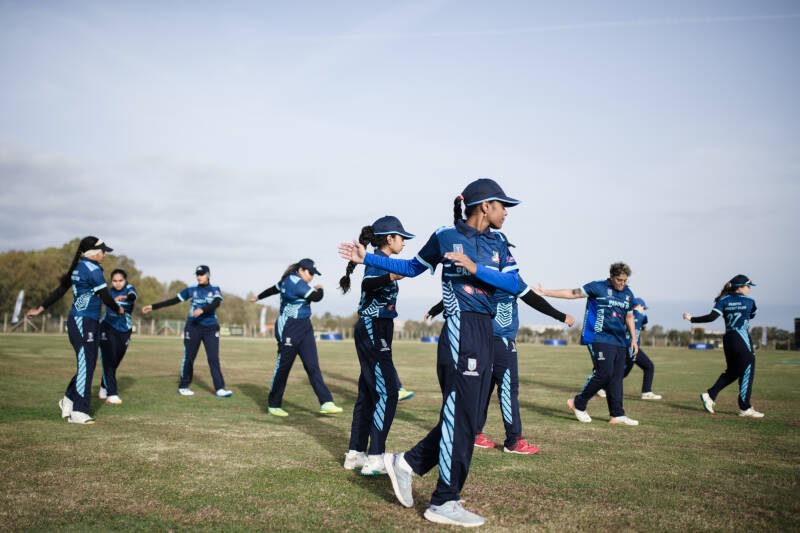
Photo above; Rome, 2025.

Photo above; Rome, 2025. Recovery after a 6-hour away match.
Thanks for visiting this page. Please like and share to show your support.