Life on the Move in Sudan.
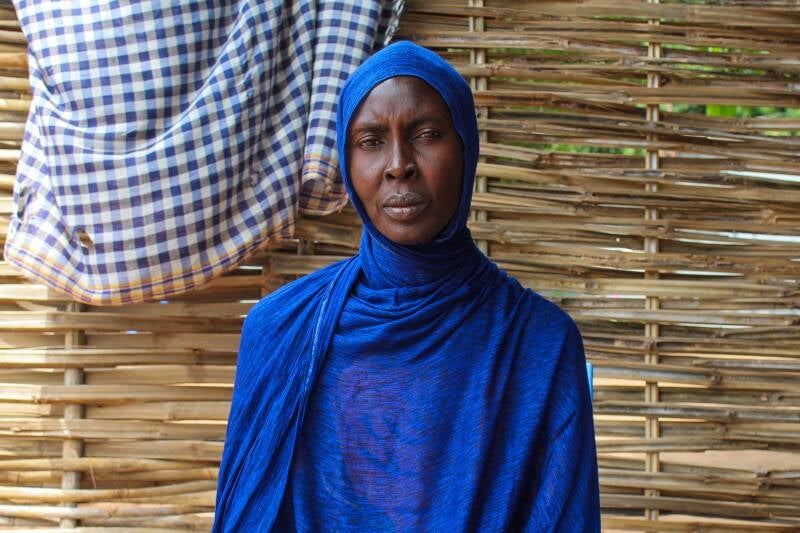
Amel, my cousin's wife, a Sudanese woman who used to live in Malakal before the 2013 war, returned to South Sudan after the war in Sudan. She longs to return home but continues to live with the uncertainty of whether it is safe to go back to Kosty, Sudan, where she used to live before the conflict.
Photographs & text by Reath Bol.
The Homes We Carry.
I have been searching for home for most of my life without realizing it.
My journey began on 25th December 2013 before sunrise, when war broke out in my hometown of Malakal, South Sudan. I was just ten years old. Christmas was only hours away. The day before, I spent the afternoon playing inside our house, not knowing it would be the last time I would experience home as I knew it. Two days later my family fled to a UNMISS protection site, where we stayed until we managed to leave Malakal in April 2014. Together with my parents and siblings, we moved to Khartoum, Sudan, hoping to rebuild our lives.
Khartoum became the next place we called home. I spent almost ten years, continued my studies there, grew up, made friends, and built new memories, life was very good. Then, in April 2023, war broke out again. Once more, my family was forced to leave everything behind. It was the second time I had experienced displacement, and it changed the way I think about memory, belonging, and the idea of starting over again almost from scratch.
Together with my parents and my three siblings, we crossed into South Sudan through Renk, where we stayed for nearly two months at our auntie’s house, life was hard but i kept being grateful because we had a better place to stay, that many refugees and fellow returnees don't have. My younger brother got impatient and escaped back to Khartoum without our knowledge, despite the war there. Our mother almost had a heart attack.
The town was overwhelmed by people arriving every single day, each carrying a different story of loss and survival. I wasn't able to document everything I witnessed. Looking for work, I moved to Paloch to stay with my cousin before finally returning to Malakal. I walked through streets I still knew by heart until I reached the house where I was born. It had been completely destroyed, but the memories were still there. Later, in august i reunited with my family and in September 2023 we flew to Juba, where I stayed until January 2026, before continuing my journey to Kenya through Uganda.
I don't know where I will call home tomorrow. What I know is that I want to return to these places, not only to photograph the homes I have carried with me, but also to continue documenting the lives of people whose stories deserve to be seen. I want to walk those streets again, breathe the familiar air, and reconnect with the places that continue to shape who I am today.
Homes We Carry is my way of holding onto those places while they continue to change. Through photography, I explore how displacement transforms our relationship with home, and how memory allows us to carry parts of it wherever we go

A portrait of me layered with an image I took of my family's home in Khartoum, Sudan. On the day we left for South Sudan. The photograph reflects how memories of home continue to exist within me, even after the place itself has been left behind.
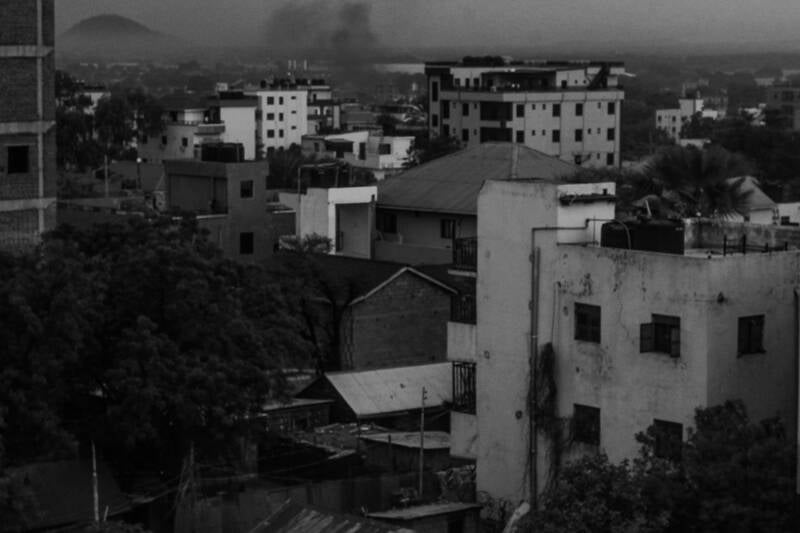
A view of Juba, South Sudan. Although I only lived here for 2 years, the city became an important chapter in my journey despite whatever I've been through in it, and remains part of the homes I'll carry with me forever.
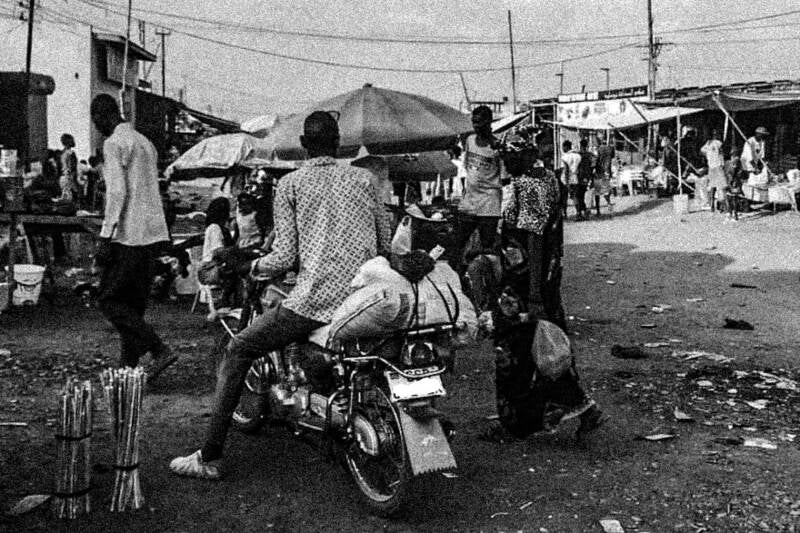
Beside the motorbike is an internally displaced woman from Upper Nile that I met in a shop, reflecting on the cost of sorghum flour in Juba, remembering how affordable it was back in Renk. Sometimes, home can be remembered through the taste and familiarity of food.
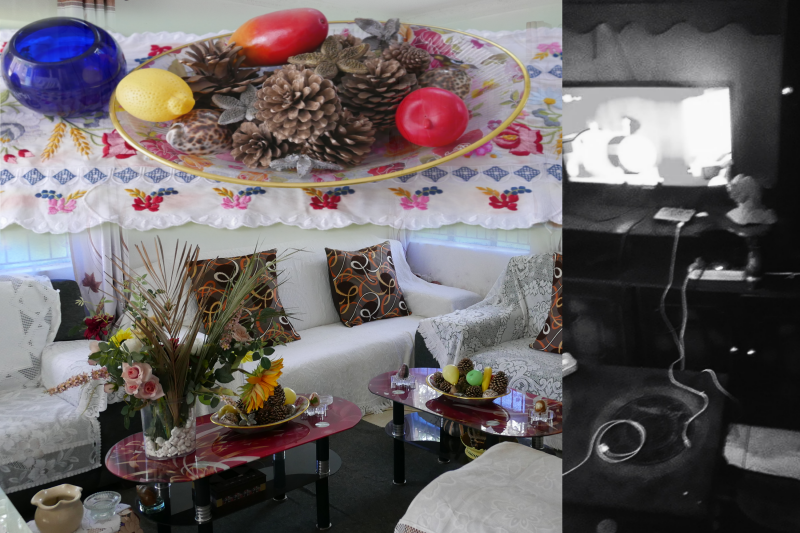
A composite black and white image of my family's living room in Khartoum and a house I found in Kenya that reminded me of it. The similarities became a bridge between memories of the home I lost in Malakal in 2013 and the places I continue to encounter.
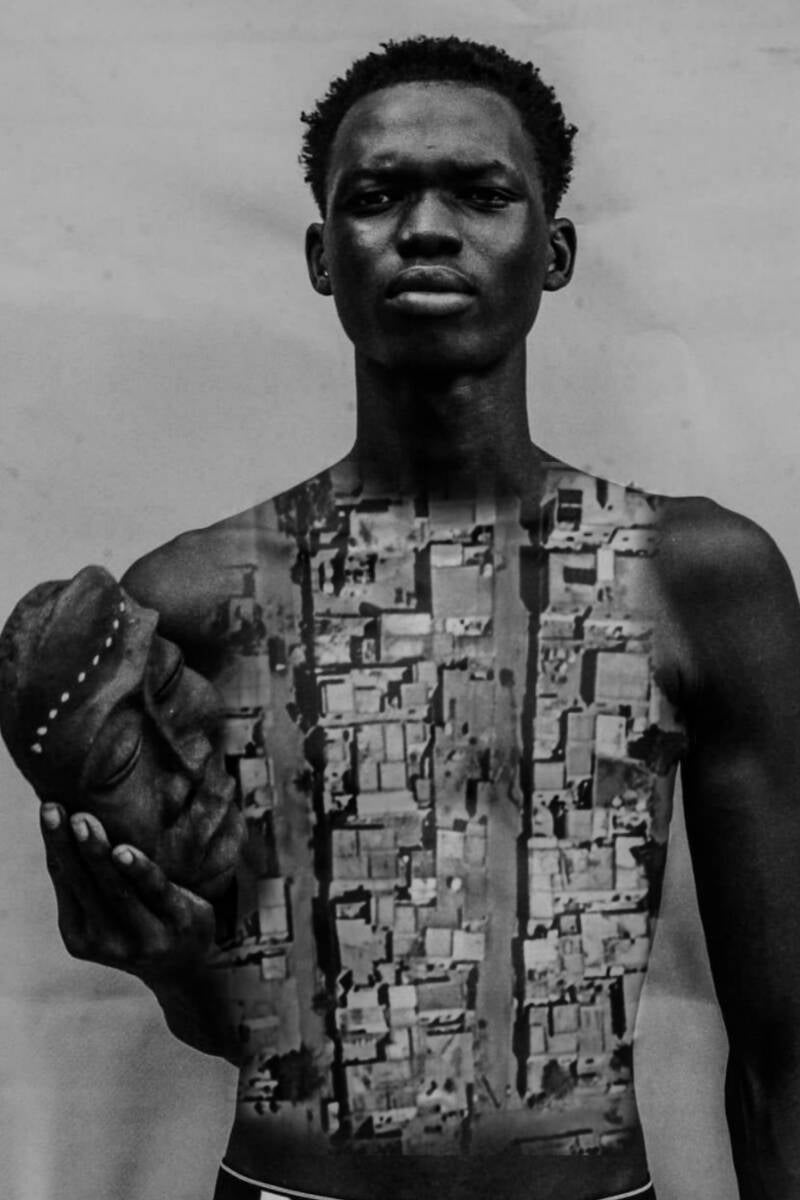
A portrait of me holding a traditional mask representing my ancestors, combined with a Google Maps image of the neighbourhood where I grew up in Khartoum. Together they explore ancestry, memory, and the places that continue to shape identity.
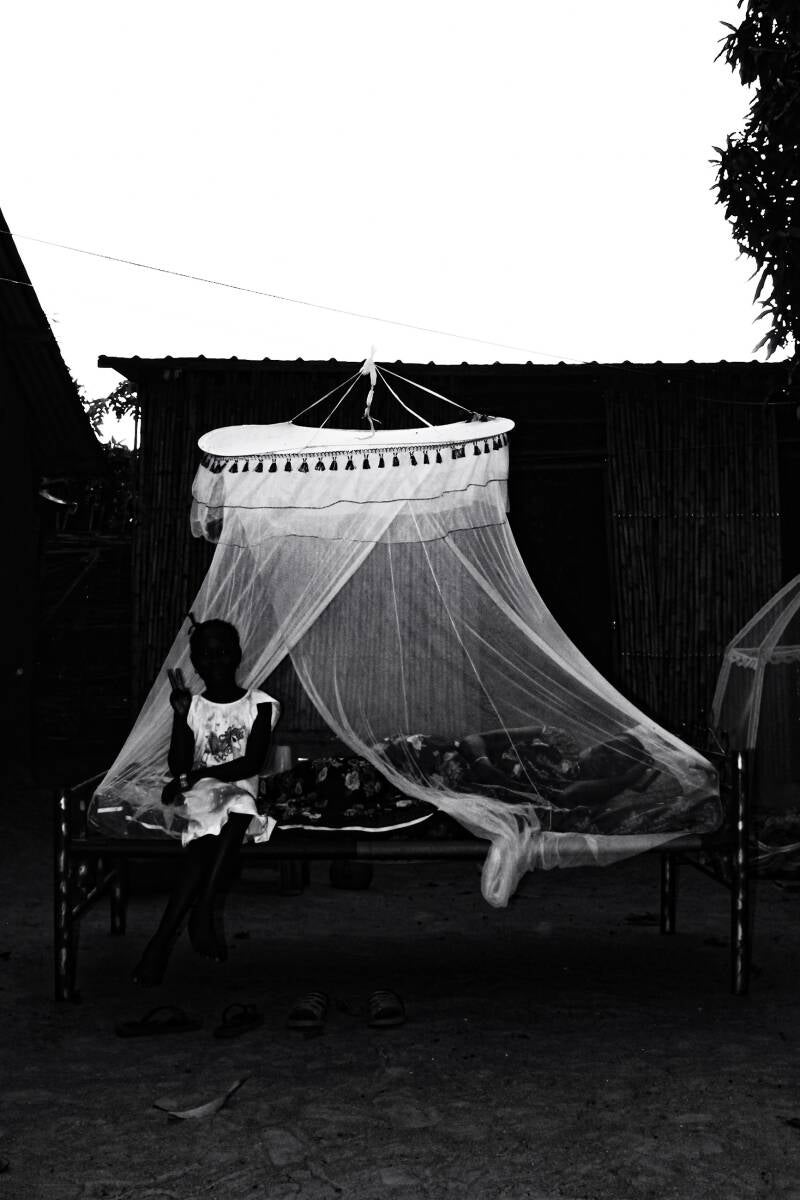
My mother rests while my niece wakes early in the morning in Juba. It was the first morning I owned a camera and turned it toward my own family, beginning a journey of documenting the people closest to me and beyond.
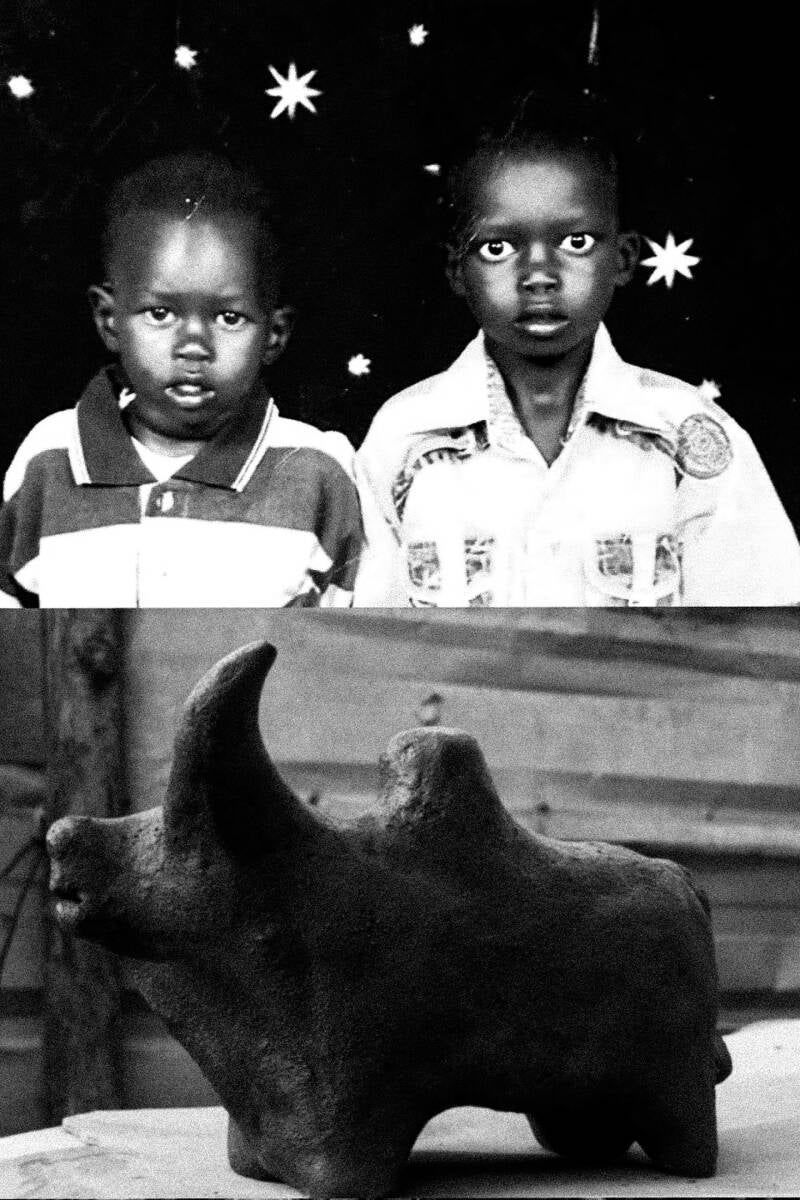
A childhood photograph of my younger brother and me and a photo of a toy cow made from clay, a toy we often created as children in Malakal. The image recalls a childhood interrupted by war but preserved through memory.
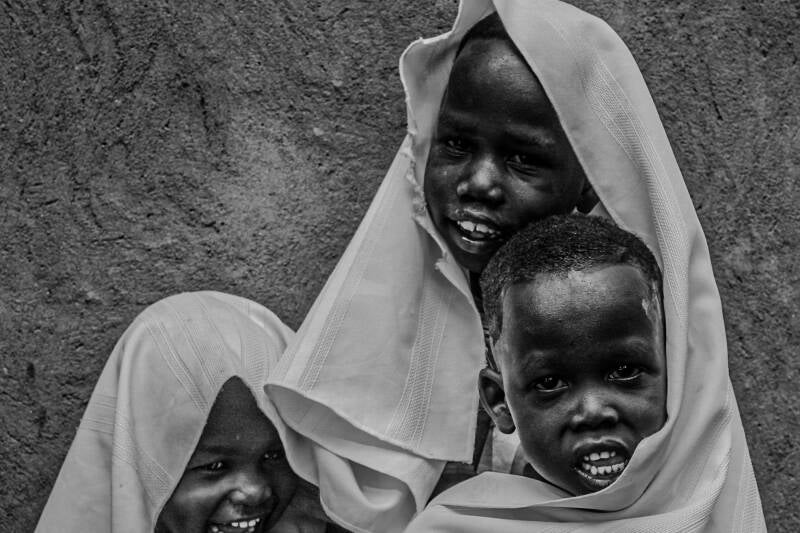
In Juba on Christmas eve, December of 2025. Looking at these children took me back to the evening of December 24th, 2013, when I was playing outside my home in Malakal, excited for Christmas Day, not knowing it would be the last evening I would play there before the conflict broke out the next day.
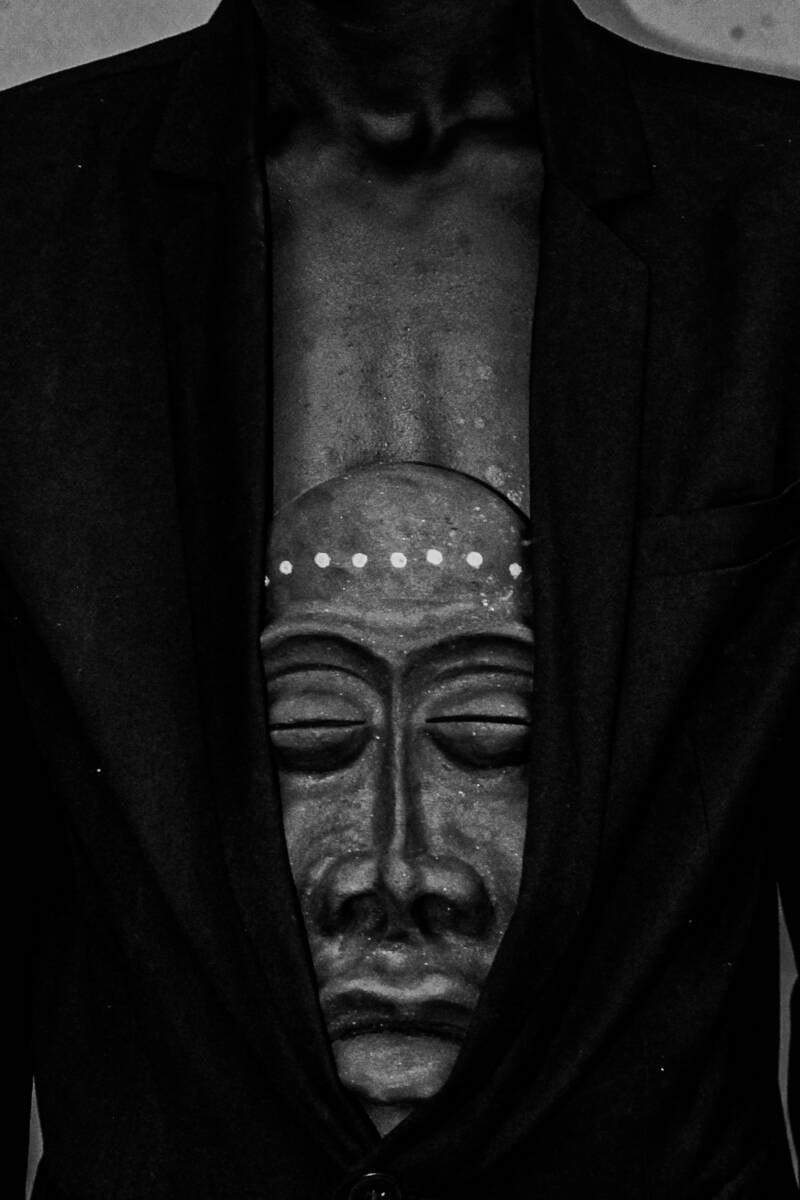
A traditional mask placed inside a suit becomes a symbolic portrait of ancestors whose presence continues to live through memory, history, and the homes they struggled to protect.
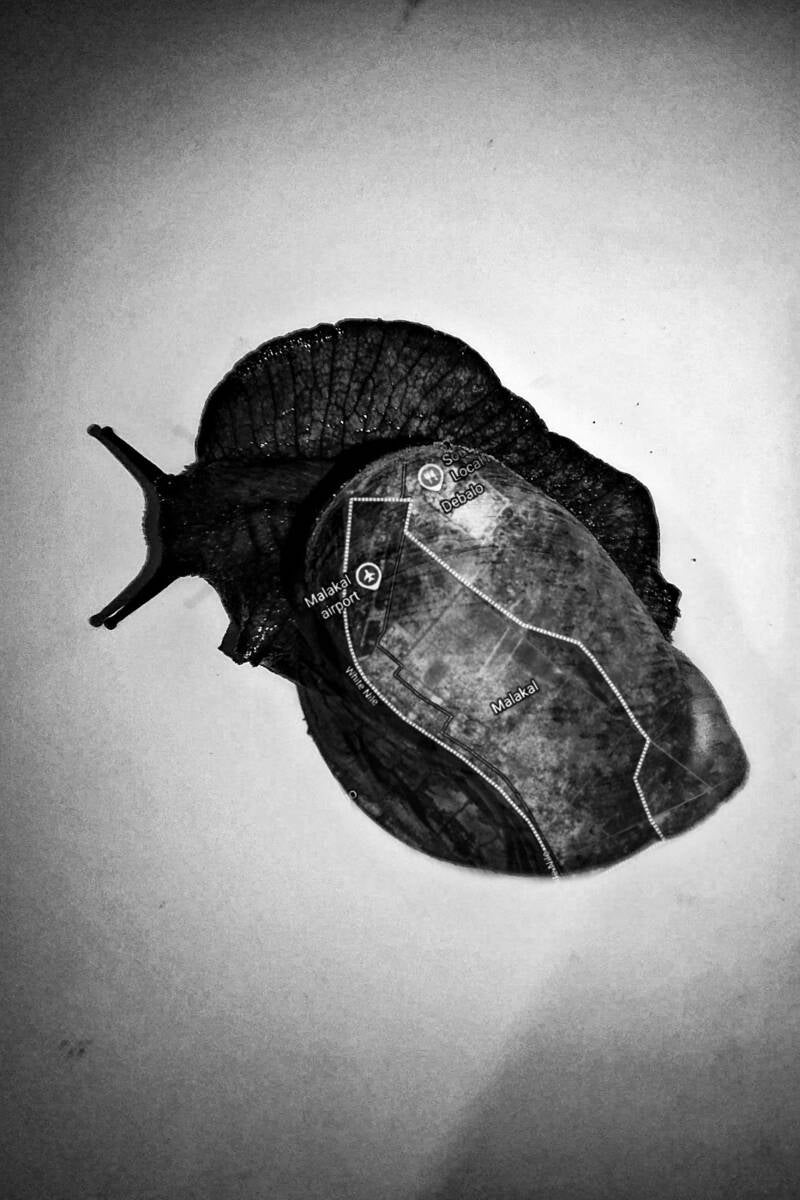
A snail carrying a map of Malakal. The image reflects how memories of home travel slowly through time, remaining with us wherever we go.
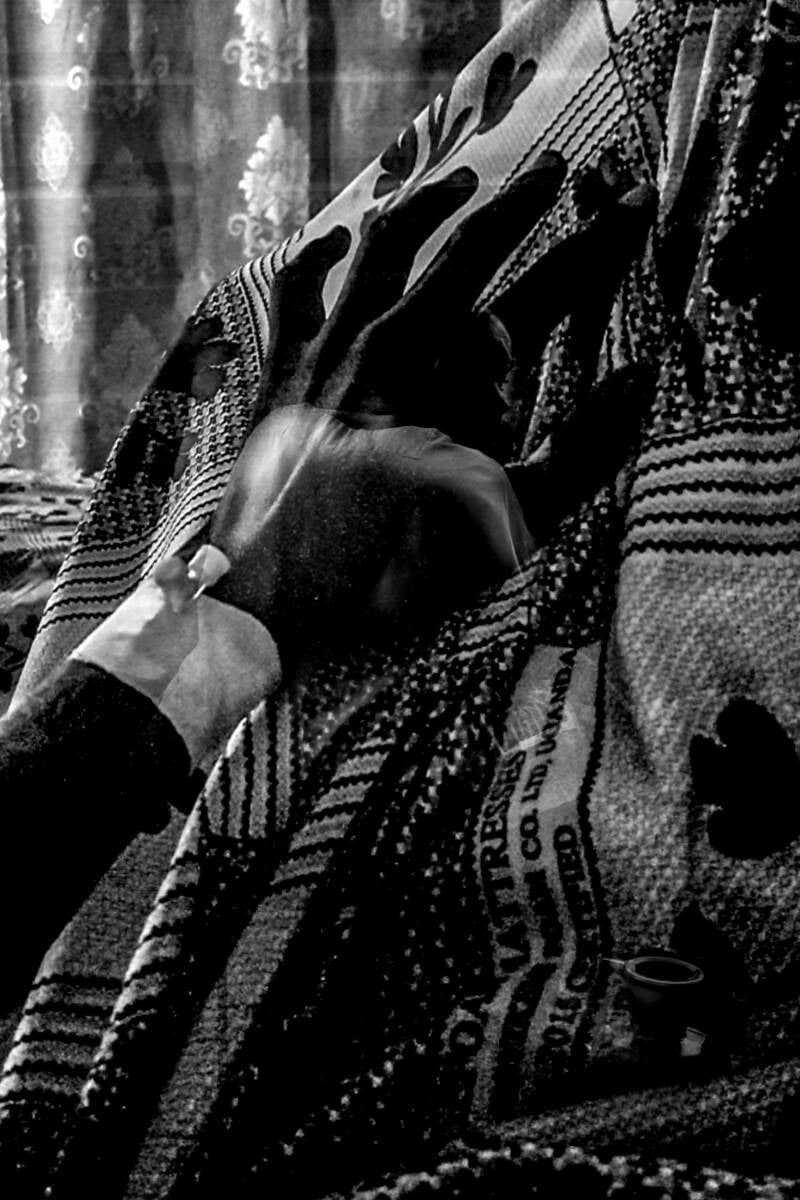
A self-portrait taken while I was ill, layered with an image of my mother. It reflects the comfort of her care and how her presence has become something I continue to carry with me, even while living far from home in my new home, Kenya.
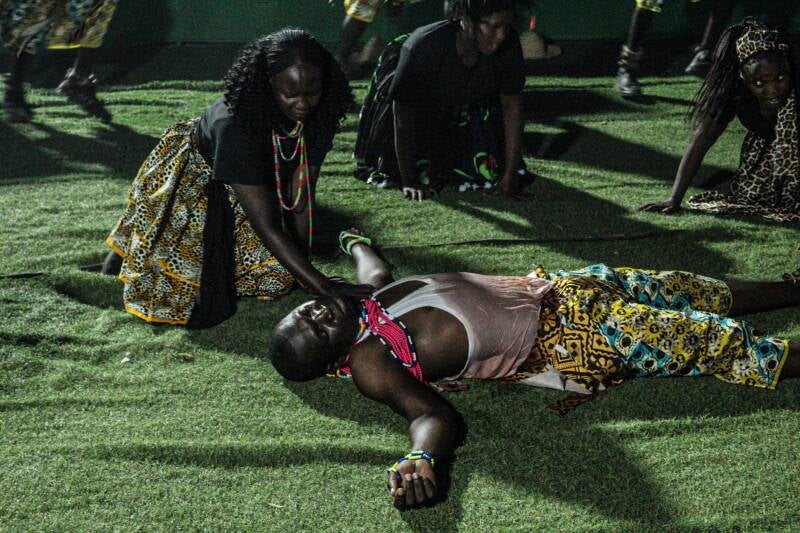
A performer during a South Sudanese cultural dance reminds me of memories of those who lost their lives during the wars I've been in and the grief carried by those left behind. Culture and remembrance often exist side by side.
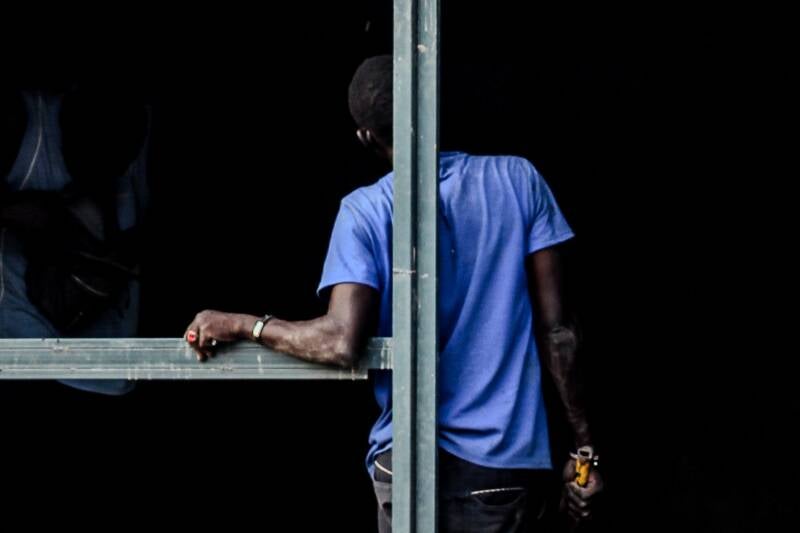
An assistant construction worker resting during the day takes me back to my own time working in construction in Khartoum, where labour became part of everyday survival.
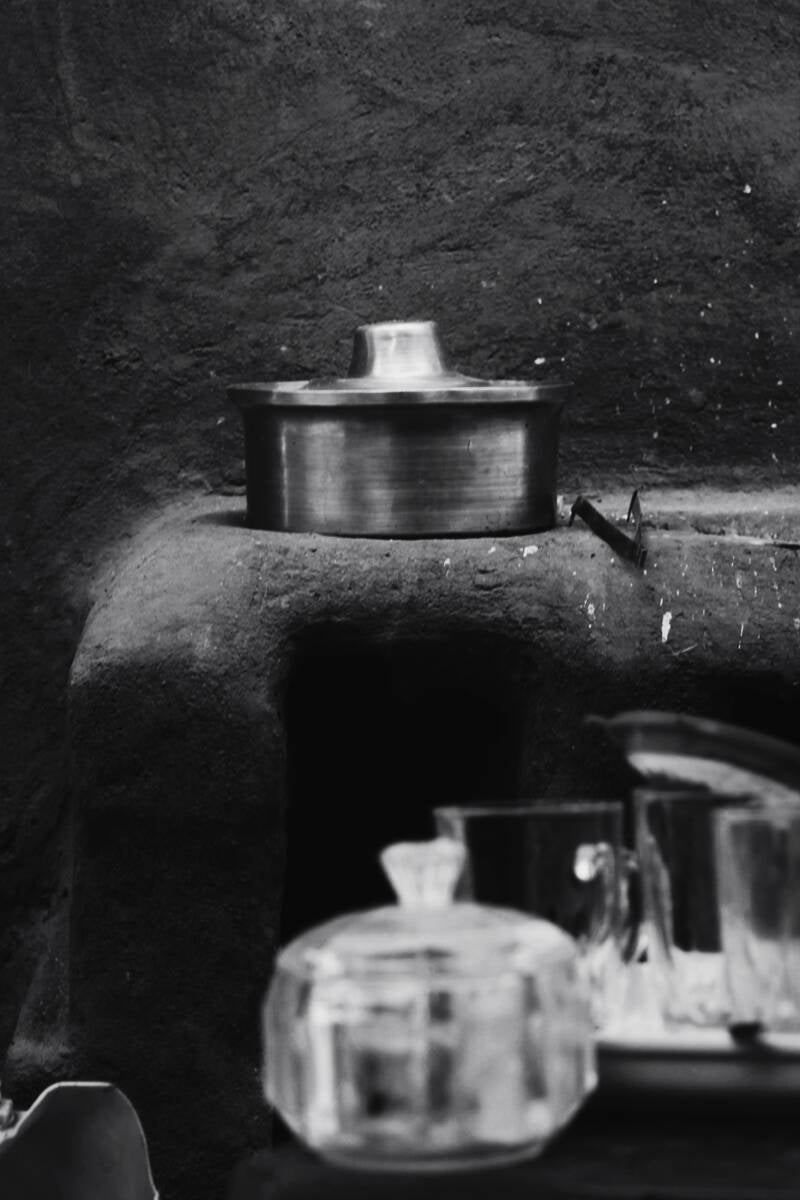
Morning tea is prepared while lunch cooks in the background. Familiar rituals like sharing tea become small but lasting reminders of home.
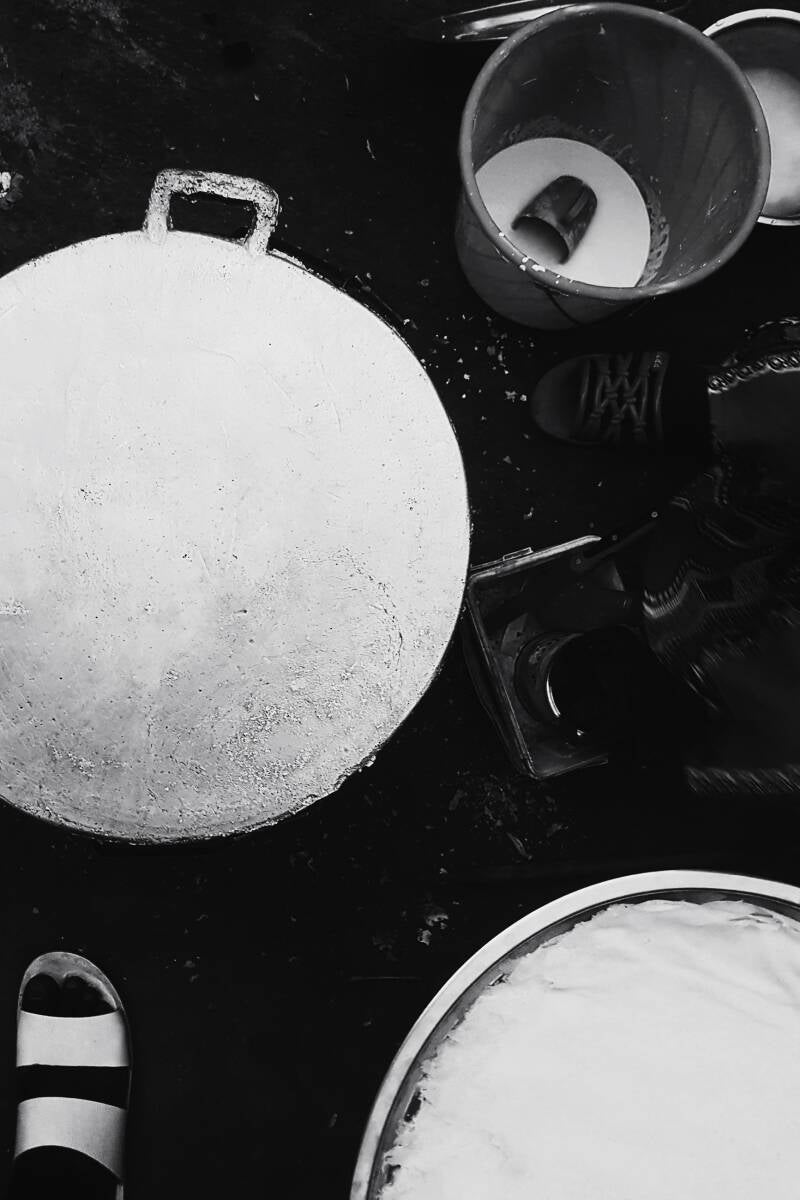
My mother prepares kisra, a South Sudanese and Sudanese traditional food that will continue to connect me to those homes no matter where I am in or will go to, in this world.
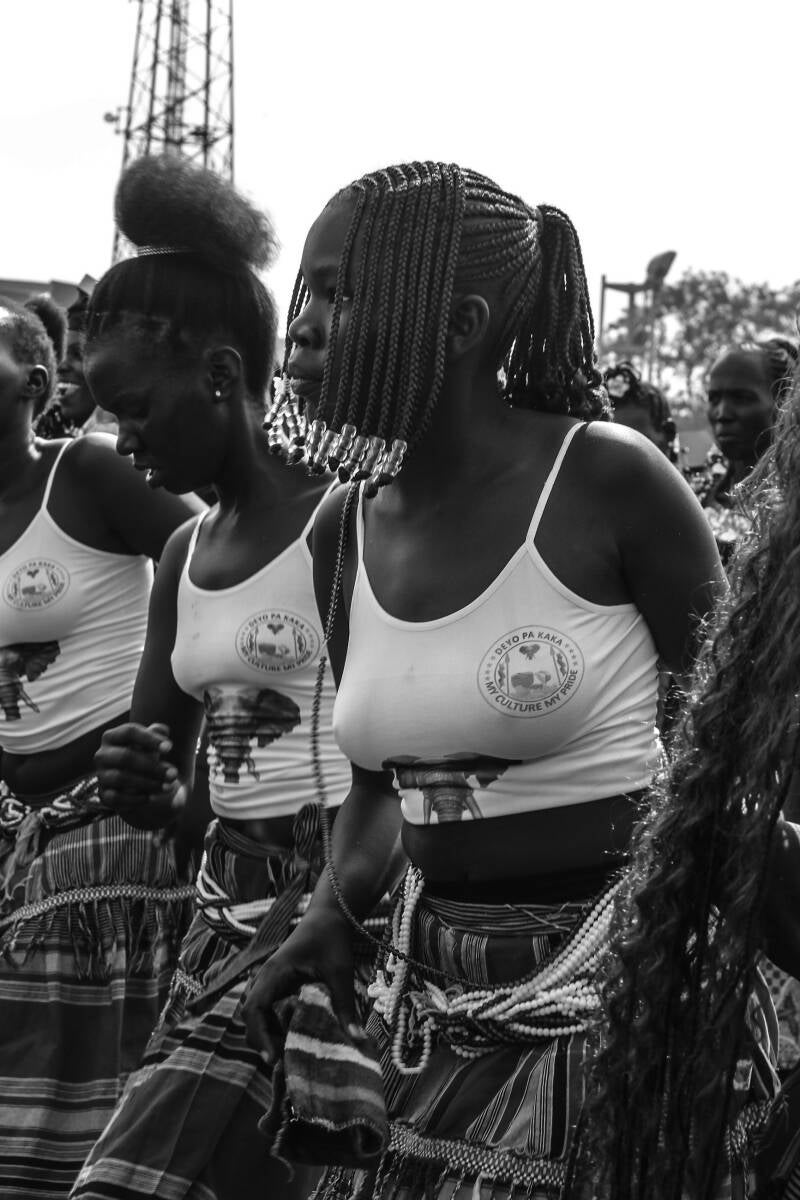
Acholi Women perform a traditional dance in Juba, South Sudan. Seeing these dances for the first time after returning to my home country deepened my connection to traditions I had grown up away from.
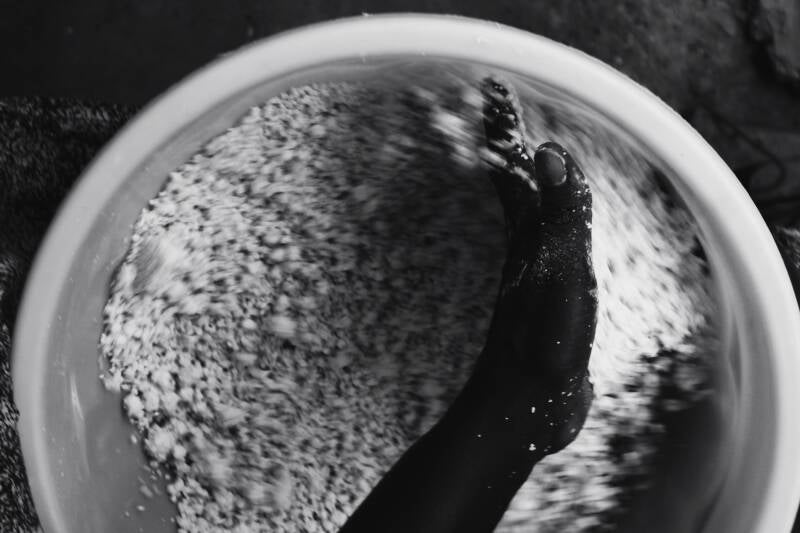
My cousin's daughter who has been out of the country since her childhood learns to prepare akelo, a traditional Shilluk dish. Passing knowledge between generations keeps culture and home alive.
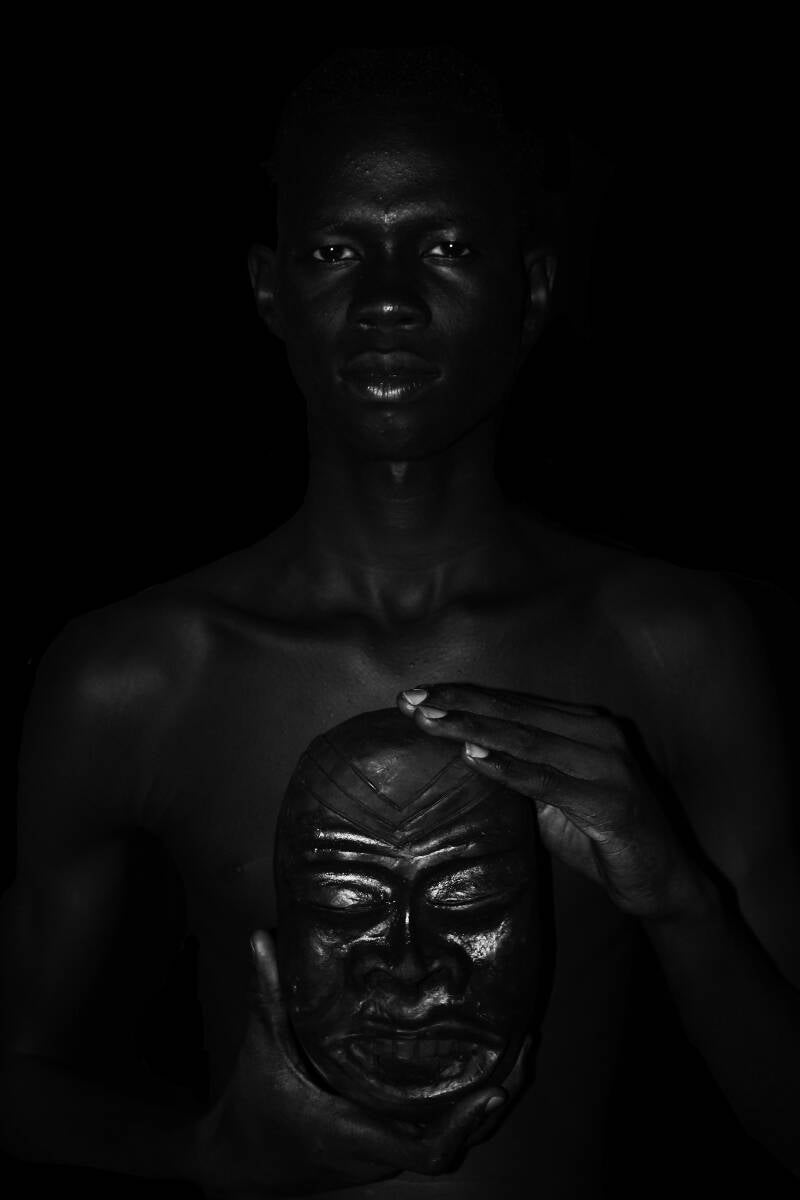
A reflection on tribalism and the divisions that continue to shape South Sudan, asking how prejudice can prevent people from building a shared sense of home.
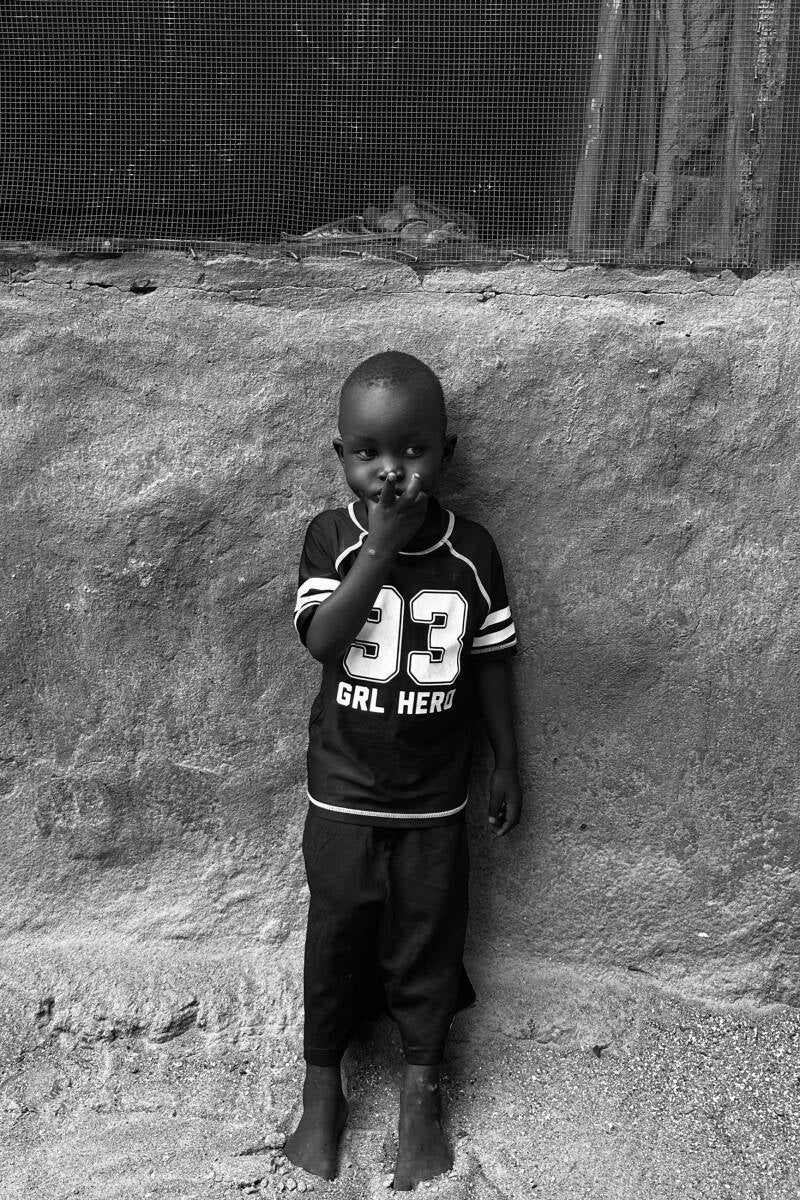
A young boy whose family history spans displacement across Sudan and South Sudan. His mother, originally displaced from Malakal, passed away a few months before the war, and was raised by his grandmother. His story reflects how the consequences of war are often carried across generations.
Thank you for reading and viewing the photographs. I'm sure you will agree, this is powerful work. Please like and share to show your support.
You can follow Reath on instagram, this is his account https://www.instagram.com/_reathbol/