A Resurgence in Paganism & Spiritual Contemporary Practices.
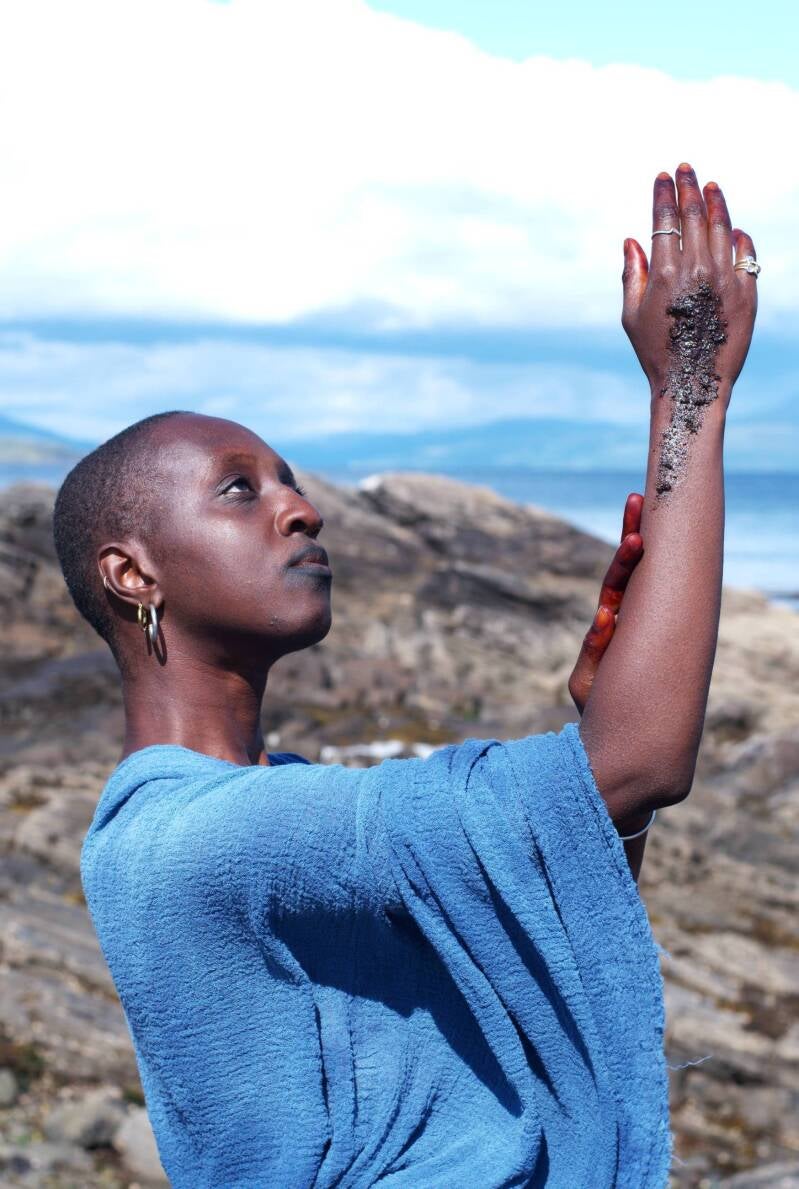
Ramzia.
Photographs & text by Davinia Diaz.
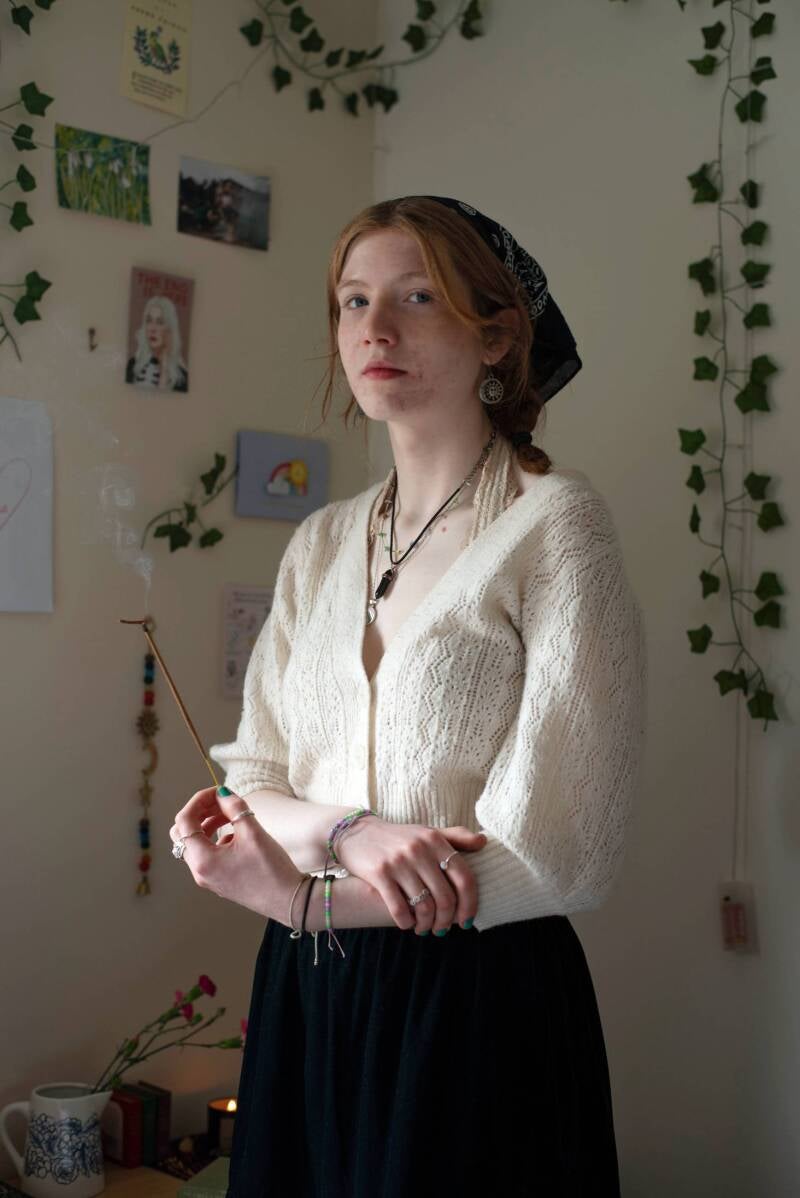
Fiona.
Scotland has experienced a resurgence in paganism and spiritual contemporary practices. Organisations like the Scottish Pagan Federation (SPF) have provided a supportive network and resources to whoever wants to explore spiritual paths like druidism, Nordic paganism or traditional folk witchcraft. In Edinburgh, the Beltane Fire Festival is one of the most characteristic events of this resurgence. Celebrated annually on the 30th of April, it honours the pagan tradition of Beltane, through the procession of the May Queen and Green Man, accompanied by fire, music and dance. This festival shows how these traditions are still alive today. According to the most recent census, paganism is the fourth largest religion in the country. However, it still remains almost entirely invisible in public life. This invisibility has a history. The Scottish witch trials of the sixteenth and seventeenth centuries resulted in the execution of thousands, most of them women. The word witch still carries the weight of that persecution.
I see this project as an act of cultural preservation and social education. It is an invitation to re-examine how we understand belief, identity, and spirituality. I pursued this project now because we are living in times of ecological catastrophe, economical crisis and social fragmentation. I see people trying to find ways in meaning-making, and a growing interest in a connection with the natural world, our bodies, and cycles. Many people are turning to magical and spiritual practices as a form to reconnect and reclaim power, power that has been stripped away by capitalism, corporations, and colonialism. These practices offer healing, connection, resistance, and empowerment, especially for those whose identities exist outside the mainstream. I believe that documenting these experiences offers cultural value and social relevance.
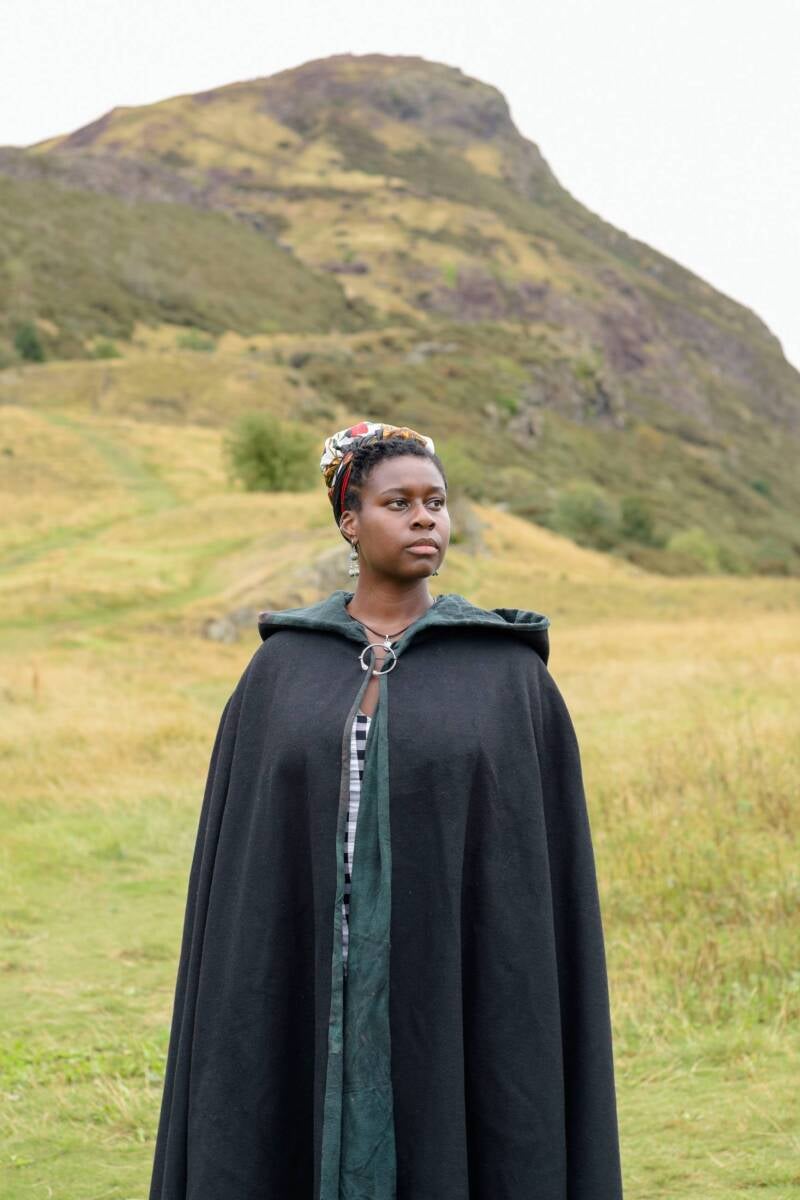
Garen.
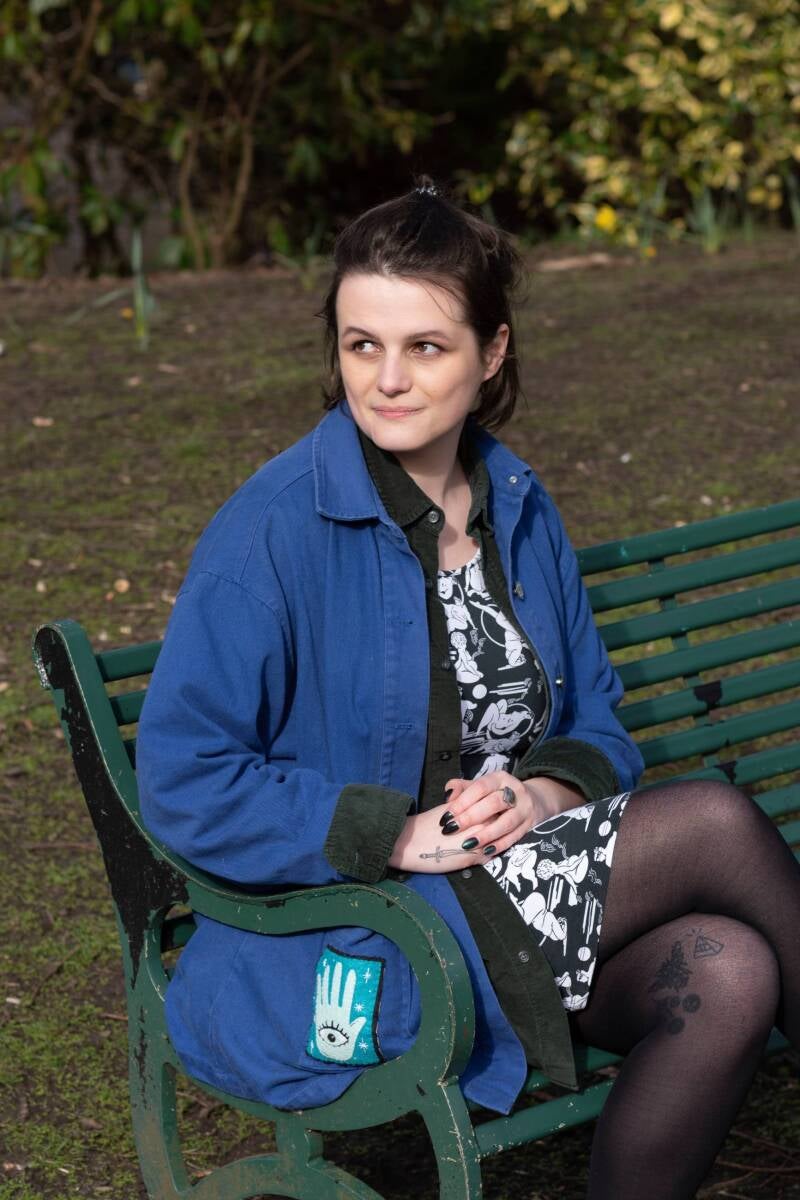
Imogen.
What I found across thirty portraits made all over Scotland was joy, grief, rage, connection, resistance and divinity. I found people who had come to these practices through mental health crises, through queerness, through illness, existential crisis or the death of someone they loved. There is deep mysticism, but also there is resistance to patriarchy, reclamation of ancestral knowledge that colonialism and Christianity tried to erase. They were political, focusing on biodiversity and ecology. As one of the participants, Imogen, described it: [...] “Witchcraft has given me a relationship with my body and the world that has made things feel more manageable. I can continue to show up in ways that feel good and authentic to me. It's almost a code of ethics in terms of the way I approach everything, giving a shit about other people and the planet and plants and animals and everything, just caring about that, which apparently is a radical political standpoint. My witchcraft is essentially my politics. It's challenging to put into words because it becomes so interwoven with how I experience the world. It's given me words for how I've always experienced the world, and I've been able to build on that since developing the vocabulary. It's quite similar to my experience of being neurodivergent, disabled, and queer, I've always been all these things, I didn't necessarily always have the words for it” [...]
Kayla's chest.
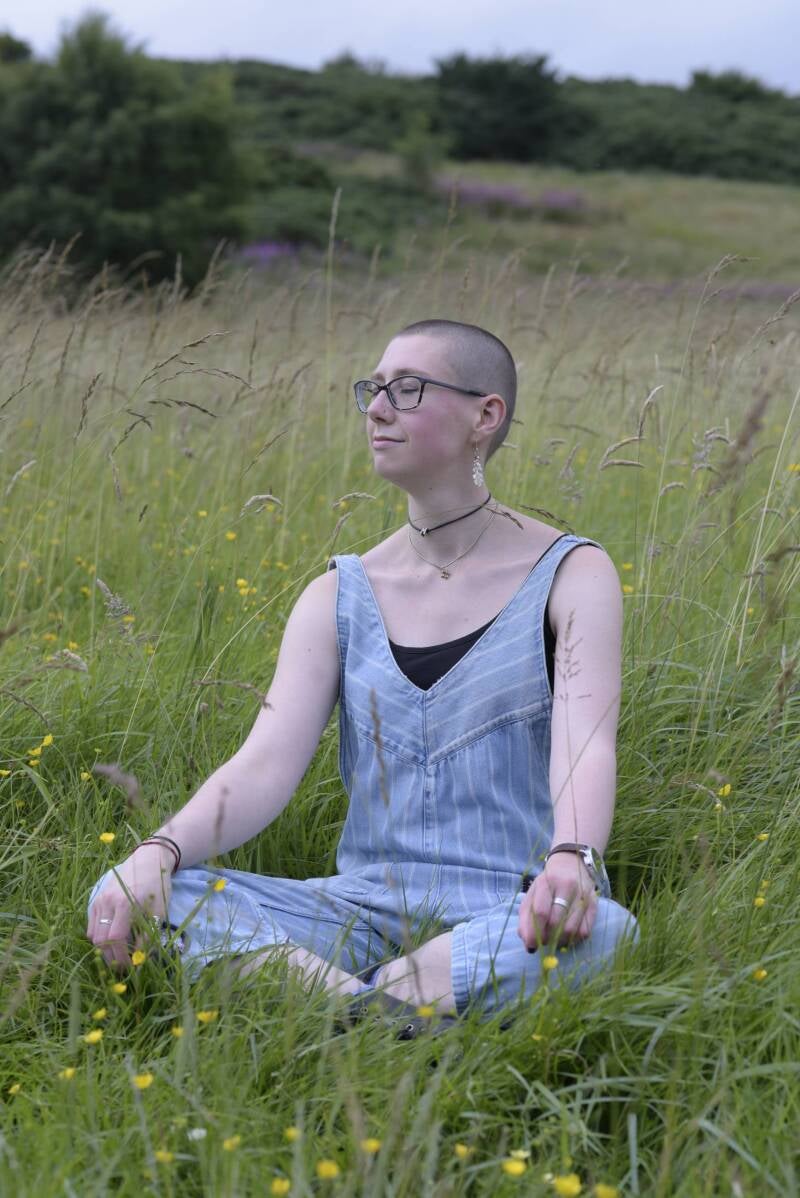
Maddie.
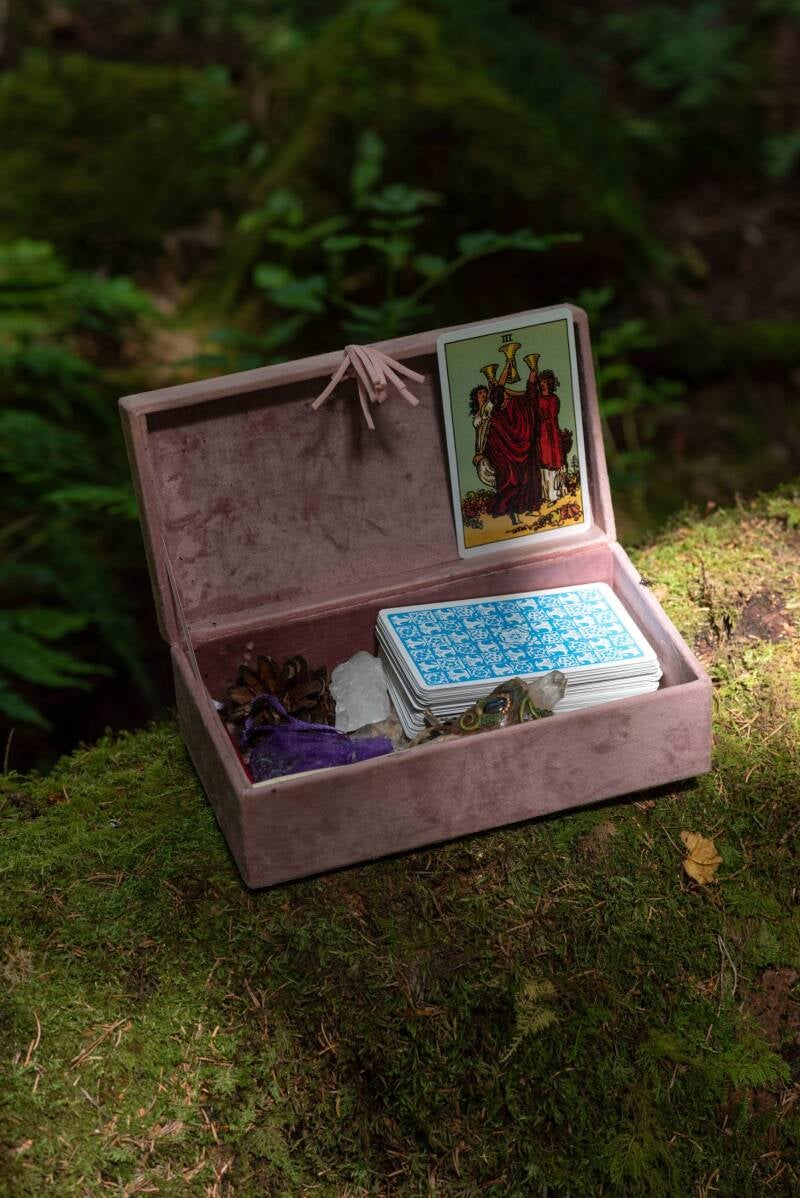
Fiona’s practices focus on green witchcraft and a connection with nature and respecting all life. Before doing a practice, she’ll always do some movement first, yoga or just shaking it off and releasing it. She'll clear her space with incense. She does a lot of manifesting, writing down affirmations in her journal, setting intentions, and grounding herself. Then reading tarot cards. She would come and sit outside with nothing on her, no phone, nothing, and just sit and ask the universe for signs, tune into her instinct and see what it has to offer. Just observe, watch the water move, watch the wildlife and the birds. Welcome whatever's there. Green witch practices are a big part of it too, cooking with intention, incorporating specific herbs and spices into meals based on their magical properties as much as their flavour. Even just making a cup of tea in the morning and stirring her intentions into it, whispering what she wants to carry into the day.
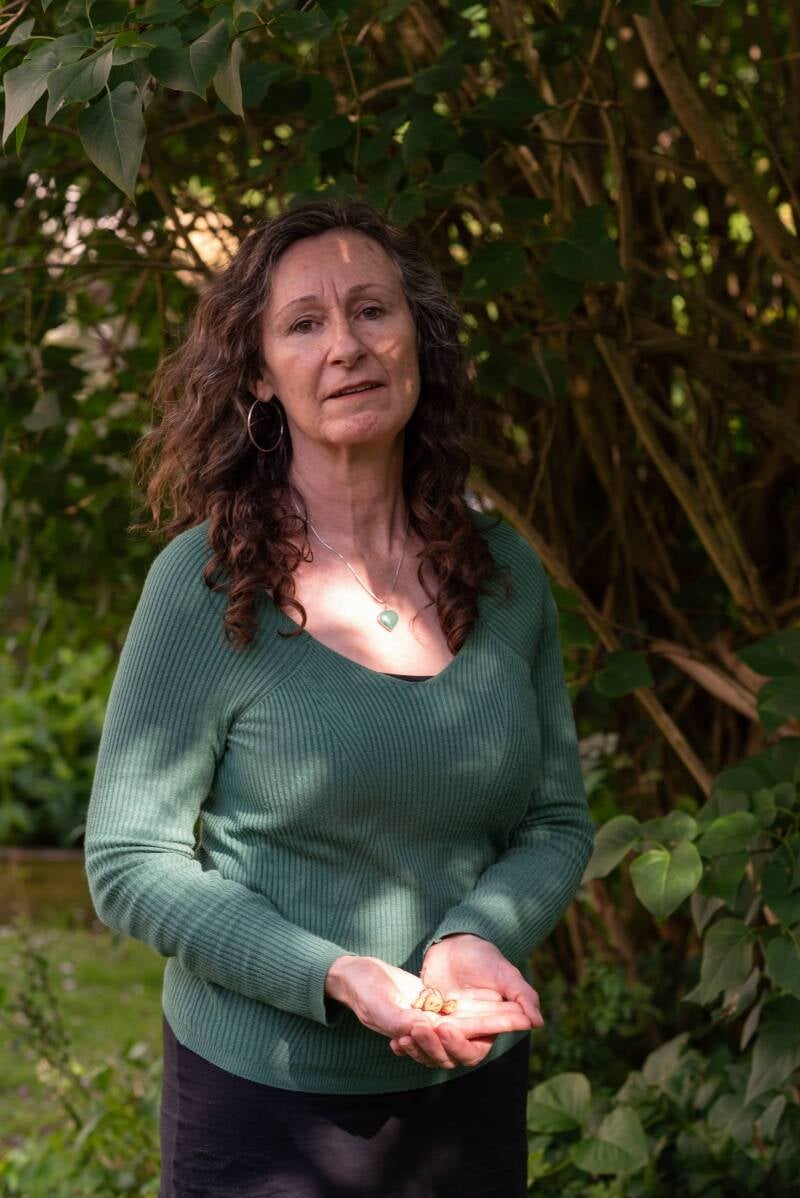
Rachel.
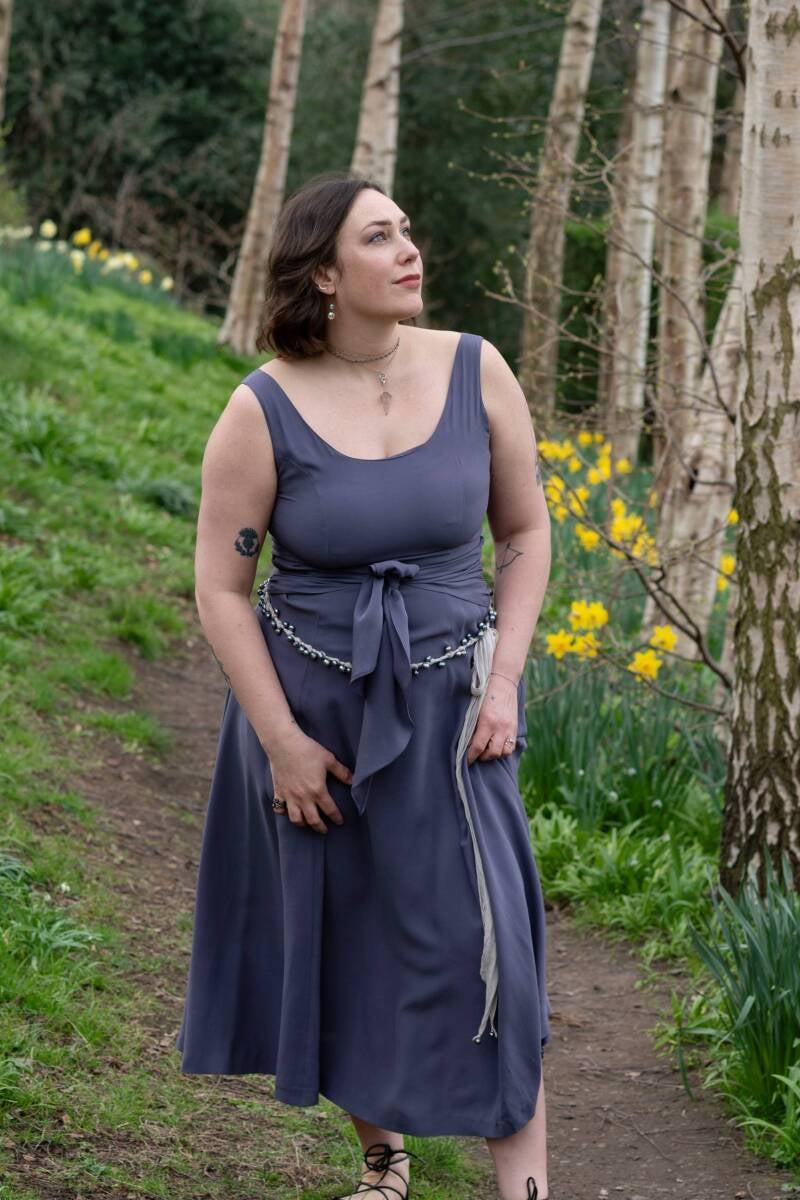
Siobhan.
In one of my interviews, I ask: Why do you think people are drawn to magic and paganism, especially now? Garen responds that [...] “for a lot of marginalised people, women, queer people, trans people, people of colour, there's a lot of having to apologise for who you are in big religions. In a lot of organised religions, you have to apologise for not being born a straight white man. I think that appeal has been really exciting for a lot of people. And also, just an excuse to celebrate the natural world in a really meaningful way. We're so disconnected from nature, and I don't mean that in a hippie way, though sometimes you do have to go stand in the moonlight and that's important. But it's also remembering that we need to sleep more in winter because there's less daylight. We're not immune to the effect the natural world has on us. Because of capitalism and urbanisation we've come to think of ourselves as just humans, separate from nature, separate from being animals. We are not. Being a witch has changed how I relate to the world in a way that being Catholic didn't. A belief only really counts when it changes how you act.” [...]
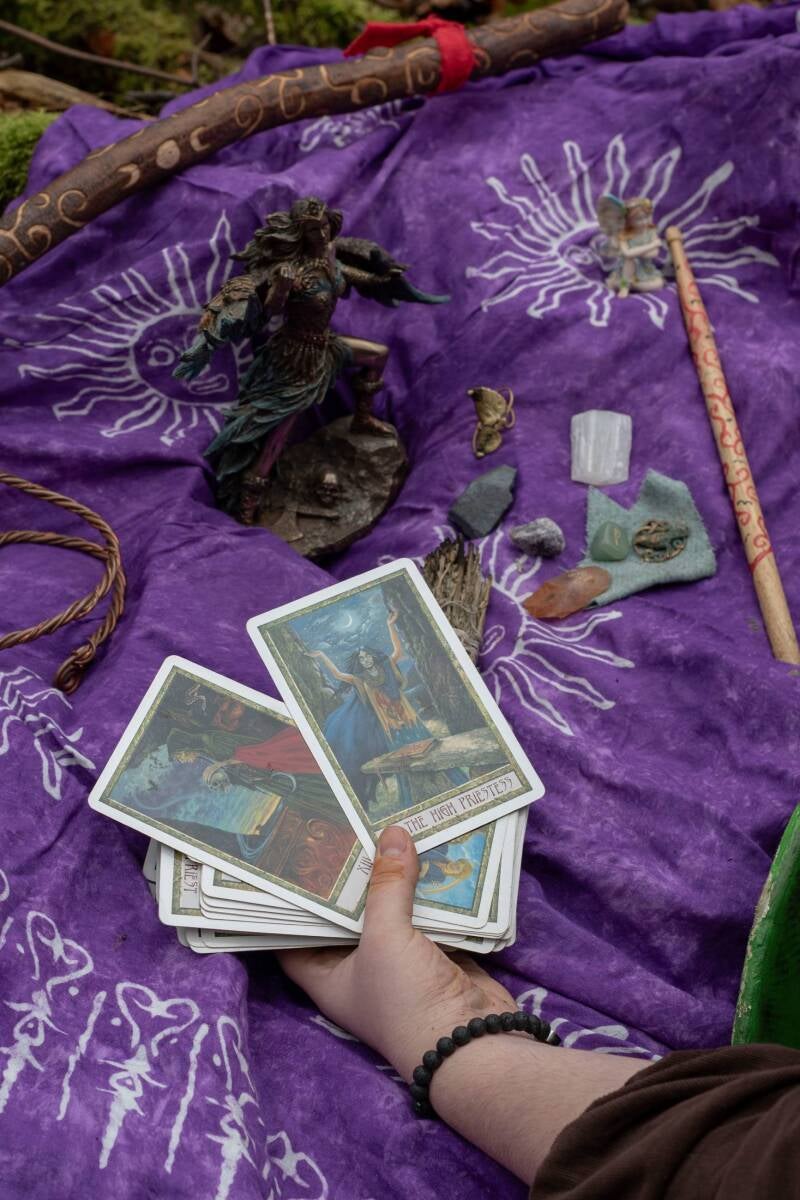
Sophie's cards.
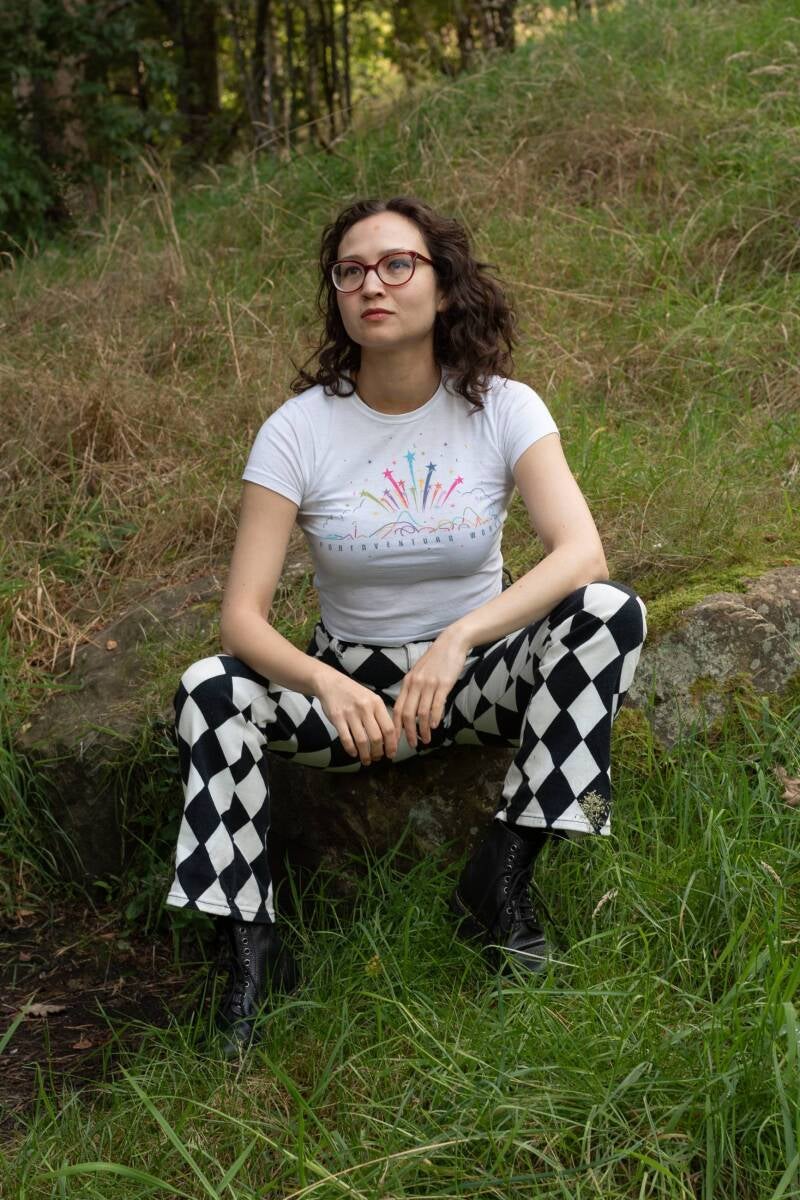
Xandra.
We are living through a moment of profound disconnection, from the earth, from each other, from the divine. The people in these photographs are making new meanings, new ways of relating to the world, and a re-connection to how we related to our surroundings before being stripped from our raw power. I believe in the power of art to reinterpret imposed narratives and contribute to collective healing. This project is, for me, an act of remembrance and empowerment for people.
Thank you for reading and viewing this documentary photo essay. Please like and share to show your support.
You can follow Davinia Diaz's work at these links:
Instagram: https://www.instagram.com/tibiabin
Website: https://daviniadiaz.wixsite.com/davinia-r