Magic Mushrooms & the Search for Truth, Healing, Knowledge & Understanding.
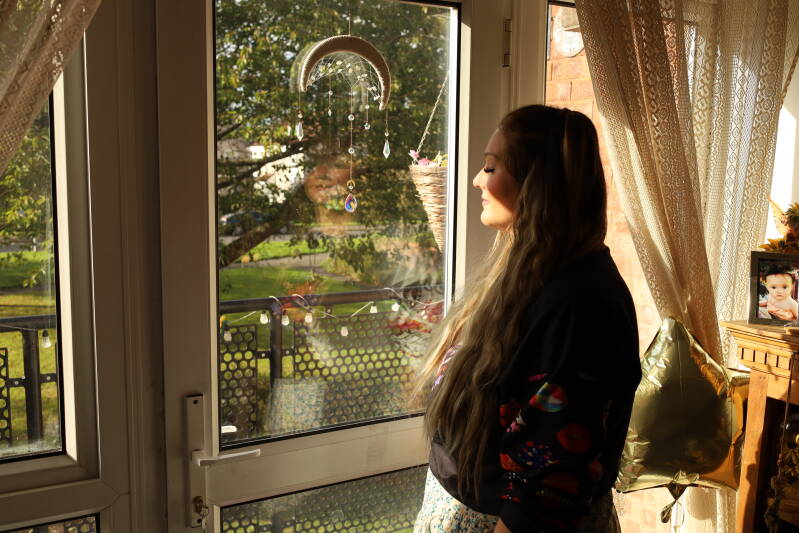
Zara takes a moment while talking about the healing properties of Magic Mushrooms.
The Urban Psychonaut.
Photography & text by David Cross.
The history and use of magic mushrooms (psilocybin mushrooms) in the United Kingdom is a rich cultural landscape that spans ancient ecological roots, countercultural revolutions, and a modern resurgence in scientific research. While these fungi have grown naturally in British soil for millennia, public perception and their legal status have shifted dramatically over the decades.
With the scientific approach to mushroom use in clinical trials I started to wonder if the humble psilocybin mushroom, one of the important “plants of the people” had, just like cannabis been hijacked for the benefit of the rich – it’s noticeable that the original growers on the UK scene, those who did the experimental work, admittedly illegal, have been frozen out of the legal grows. I was also interested know if the comments made by counterculture revolutionary, Allen Ginsberg had been correct – he noted that certain drugs have a specific effect on the user and in a way, he is suggesting that this effect is nothing more than a repeatable artificial paradise.
Ancient Roots and Ecological Presence.
The UK is home to several native species of psilocybin-containing fungi, most notably Psilocybe semilanceata, commonly known as the Liberty Cap. These small, conical mushrooms thrive in the damp, acidic grasslands, pastures, and sheep fields across Wales, Scotland, England, and Northern Ireland. They typically sprout during the autumn months, following the first heavy frosts.
While historical documentation of intentional psychedelic mushroom use in ancient Britain is scarce compared to Mesoamerica, archaeological evidence suggests that early inhabitants were deeply intertwined with their natural environment. Some historians hypothesise that druids or prehistoric peoples may have encountered and utilized these psychoactive fungi, though much of this folklore remains speculative.
The 20th Century Counterculture and Legal Loopholes.
The modern history of magic mushrooms in the UK began to take shape in the late 1960s and 1970s. As the global psychedelic movement expanded, British youth discovered that the Liberty Caps growing abundantly in their local hillsides could produce profound, mind-altering experiences.
For decades, magic mushrooms occupied a unique and ambiguous space in British law. Under the Misuse of Drugs Act 1971, "cannabinol derivatives" and prepared forms of psilocybin were banned. However, fresh, unprepared mushrooms were not explicitly categorized. This loophole allowed for a booming market in the late 1990s and early 2000s. High Street "head shops" and market stalls across London, Manchester, and Edinburgh legally sold fresh magic mushrooms imported from the Netherlands or harvested locally.
This era of open accessibility came to an abrupt end with the Drugs Act 2005. The UK government tightened the legislation, reclassifying both fresh and prepared magic mushrooms as Class A drugs. This put them in the same legal category as heroin and cocaine, carrying severe penalties for possession and supply, and effectively pushing the culture underground.
The Modern Psychedelic Renaissance.
In recent years, the UK has emerged as a global hub for the psychedelic renaissance. Rather than focusing solely on recreational use, contemporary interest is driven by ground breaking clinical research into the therapeutic potential of psilocybin.
Institutions like Imperial College London, led by prominent researchers, have conducted pioneering clinical trials. Their studies suggest that psilocybin, when administered in a controlled, therapeutic setting, can offer significant relief for treatment-resistant depression, anxiety, and post-traumatic stress disorder (PTSD).
This scientific momentum has sparked intense public and political debate. Campaign groups and medical professionals continue to lobby the UK government to reschedule psilocybin to ease research restrictions. Today, the story of magic mushrooms in the UK is evolving from a banned countercultural substance into a heavily researched, potential frontline treatment for mental health.
Artificial Paradise or Quasi-Religious Journey?
Alternative subcultures in the UK - ranging from wellness communities and neo-pagans to eco-activists and modern psychonauts - utilise magic mushrooms through highly intentional, structured practices rather than casual, recreational partying.
Within these circles, the use of naturally occurring Psilocybe semilanceata (Liberty Caps) and cultivated Psilocybe cubensis is treated as a tool for self-exploration.
How Magic Mushrooms Are Utilised.
Alternative groups generally reject the "party drug" approach, opting instead for two primary methods rooted in the concepts of "set and setting" (mindset and physical environment):
- Intentional "Tripping" and Ceremonies
- Nature Immersion: A cornerstone of the UK alternative scene, particularly among eco-spiritual and neo-pagan communities, involves harvesting wild Liberty Caps in the autumn and consuming them in natural landscapes like the Welsh hills, Dartmoor, or the Scottish Highlands. The goal is to feel an ecological connection to the British landscape.
- Neo-Shamanic Circles: Influenced by indigenous Mesoamerican practices, some underground facilitators host private, curated group ceremonies. These sessions often involve blindfolds, ambient music, breathwork, and a designated "sitter" to guide the journey.
- Microdosing.
- This involves taking sub-perceptual amounts (usually 1/10th of a psychedelic dose) every few days. The goal is not to hallucinate, but to subtly enhance focus, creativity, and emotional resilience during everyday life. It is highly popular among the UK's alternative wellness, creative, and tech-adjacent subcultures.
- This involves taking sub-perceptual amounts (usually 1/10th of a psychedelic dose) every few days. The goal is not to hallucinate, but to subtly enhance focus, creativity, and emotional resilience during everyday life. It is highly popular among the UK's alternative wellness, creative, and tech-adjacent subcultures.
Outcomes Across Key Areas.
When utilised intentionally within these subcultures, users frequently report profound, life-altering outcomes:
- Personal Growth.
- Breaking Rigid Habitual Patterns: Users often report a temporary lifting of the "ego," allowing them to view their lives, relationships, and flaws objectively. This can lead to breakthroughs in resolving long-standing interpersonal conflicts or changing negative behavioural loops.
- Increased Creativity and Openness: Psychological studies on psilocybin back up a common alternative claim: a single high-dose experience can permanently increase a person's trait of "openness" - making them more curious, appreciative of art, and open to new ideas.
- Spirituality (The "Quasi-Religious" Experience).
- Ecological Connectedness (Biophilia): Some users frequently describe a profound, overwhelming sense of unity with nature. They report feeling that the earth is a living, interconnected organism - an outcome that often turns casual users into passionate environmental activists.
- Mystical Experiences: High doses often trigger classic mystical states: a feeling of timelessness, sacredness, and a deep conviction that there is a unifying cosmic consciousness. This fits the definition of a quasi-religious experience - it provides the profound meaning and awe of religion without requiring adherence to a traditional church.
- Mental Health.
- Alleviation of Depression and Anxiety: Mirroring the clinical trials at Imperial College London, alternative users often experience a "global reset" of their mood. They describe it as clearing a defragmented hard drive, allowing them to escape severe depressive rumination.
- Processing Trauma: In safe settings, users report being able to confront and "digest" painful past memories without being overwhelmed by the emotional panic that usually accompanies them.
Risks and Caveats.
While alternative communities champion these benefits, outcomes are highly unpredictable. Bad setups can lead to "bad trips," characterized by severe paranoia, panic, and temporary psychosis – though some users I spoke to believe that there’s no such thing as a bad trip. Furthermore, because magic mushrooms are classified as a Class A drug under the UK Misuse of Drugs Act 1971, sourcing them underground carries significant legal risks, and consuming wild mushrooms carries the dangerous risk of misidentification with toxic lookalikes.
Alternative psychedelic practices in the UK differ fundamentally from the strict clinical trials conducted at institutions like Imperial College London or the University of Oxford. While both pathways utilise psilocybin to achieve profound shifts in consciousness, their methodologies, environments, and core philosophies are completely distinct.
Where the Two Worlds Align (The Crossover).
Despite their striking differences, the alternative scene and academic clinical trials are highly interconnected, frequently validating each other's findings.
- The Importance of "Set and Setting": UK universities openly borrowed the concept of set and setting from 1960s counterculture. Researchers acknowledge that psilocybin is not a magic pill; its effects are entirely dependent on a supportive physical environment and a prepared mind. Even in a hospital, trials use soft lighting, eye masks, and curated musical playlists.
- The Mystical Experience as a Metric: Interestingly, clinical researchers use a metric called the Mystical Experience Questionnaire (MEQ). Data from UK trials shows that patients who score the highest for "mystical-type experiences" (feelings of unity, sacredness, and transcendence) consistently show the greatest long-term drops in depression scores. This directly validates the spiritual claims made by alternative practitioners.
- Integration is Vital: Both frameworks agree that the journey does not end when the drug wears off. Alternative circles use talking groups to process their insights, while university trials mandate multiple post-session integration therapy blocks to help patients translate their hallucinations into permanent, healthy life changes.
Ultimately, alternative practices treat the magic mushroom as a holistic, spiritual teacher that connects humans back to nature, while UK University trials treat psilocybin as a catalyst to accelerate deep psychological healing within a rigorous, safe, and measurable medical framework.
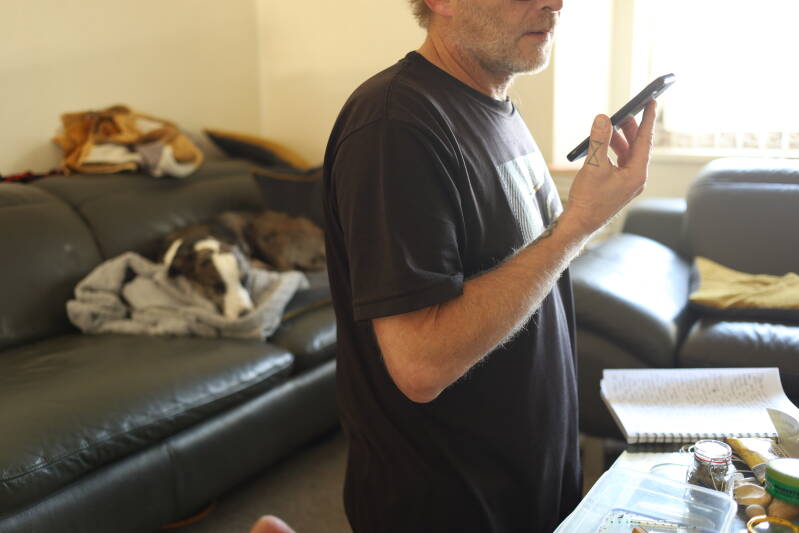
Jake talks on the phone with a friend about their experiences using Magic Mushrooms,
It took some manoeuvring but eventually I was able to track down and meet two people who use “shrooms” as a gateway to learning and healing, and I am grateful to them for their time and candour. In the first instance, using encrypted emails I sent out a questionnaire and later, having gained their trust we met in their homes. Both were very happy to be photographed and named but I feel it is best to cover their identities – we will call them Zara and Jake.
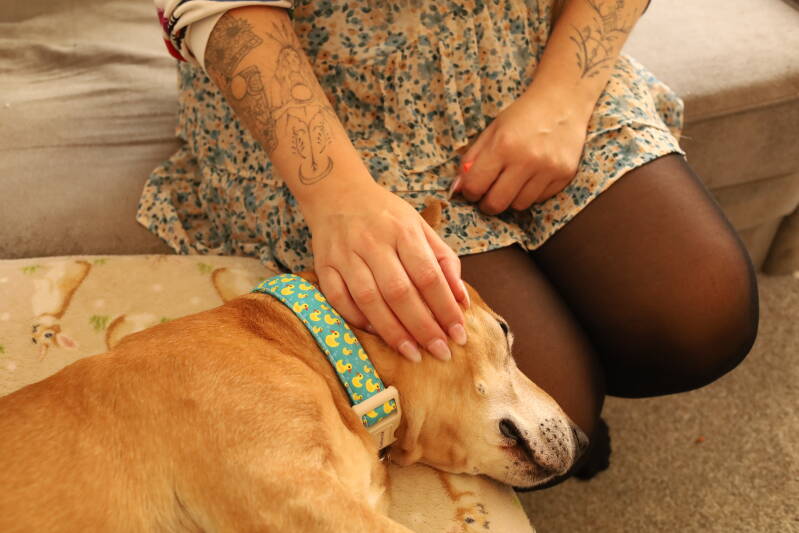
Zara talks about her experience as a psychic medium and healer who specialises in the use of Magic Mushrooms.
For both subjects the door to magic mushrooms was opened through the party scene, they wanted to get high and shrooms were an appealing vehicle, though it is worth noting that for Zara, her parents were both hippies and thus she was aware of alternative living and using plants to recover from illness was quite common. Jake on the other hand suddenly became aware of a life outside the known parameters and it is fair to say that his doors of perception were blown open a few years ago. He went from casual user to experimenter and started to see through the daily grind, structures and dictates of modern life. For both subjects there was little holding them back in a legal sense and access was very easy – Jake went on a local walk and as Zara points out, “you just need the courage to ask around”.
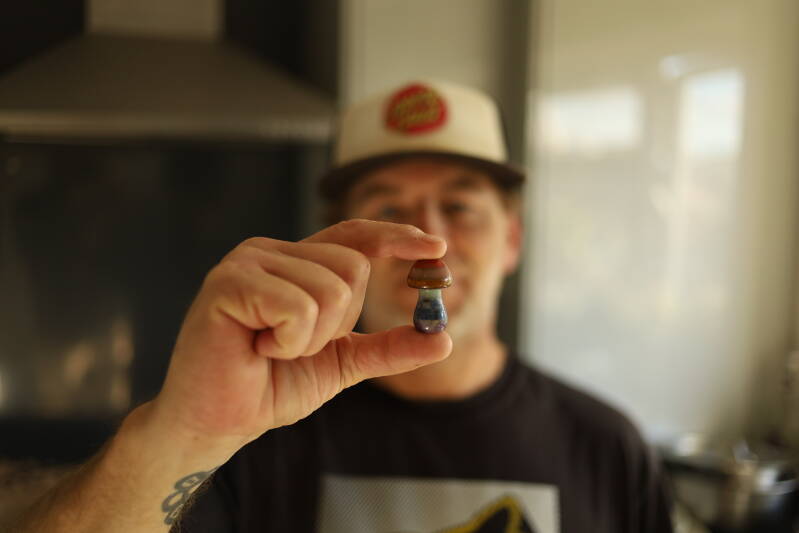
Jake holds an ornamental mushroom, as the real thing is illegal here in the U.K
The experience for both users has been similar and they state that mushrooms allow you to deal with the past and can teach you about yourself and your emotions gaining a profound knowledge along the way. Although Jake states that he has never experienced or dealt with past trauma, he has uncovered past lives. Jake has had a few experiences that many would call a bad trip whereas Zara firmly believes now that there are no bad trips, only experience and understanding. Zara is a very calm and centred individual; she also happens to be a psychic medium and has made a living through this practice having travelled the world and written a bestselling book. I should also point out at this point that Zara developed a brain tumour 5 years ago and this had a profound shift in her attitude and use of mushrooms – she went from party use to serious healing mode. She went as far as to heal herself through ceremonial experiences and daily microdosing, as well as large dose ceremonial use to help with the pain and depression. For both Zara and Jake the actual experience has been what you might expect – kaleidoscopic visions and over whelming feelings but also an important and profound rewiring of the brain, in a way you could say “out with the old and in with the new”. Life is never really the same, in a good way.
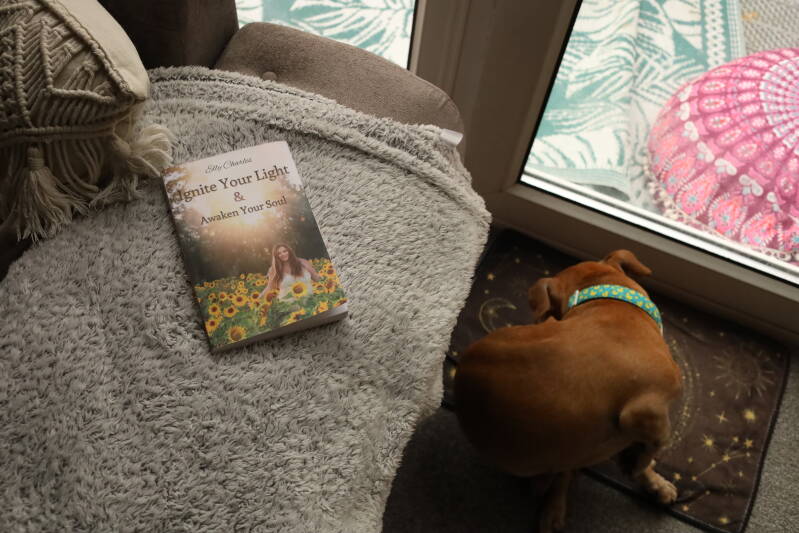
The quest is for knowledge and understanding. Ceremony and healing are also involved.
For both users the mental health impact has been positive, and the integration in their daily lives has been very important, though here they differ slightly – Jake is drawn towards the resonant frequencies and deep meditation, I would say that his life has been transformed in this way. He believes that he has had past lives and through mushroom use has visited and laid to rest his previous selves and he also firmly believes himself to be an Heyoka empath - though the Sioux Indians would argue otherwise. Zara makes a journal during and after her mushroom journeys and feels that this is helpful. Both users seem to gain more from the experiences after the use of mushrooms, given time to reflect and or meditate. Depression and anxiety are both reduced and perhaps this is where psilocybin can be of benefit to the western populace? Our modern existence has taken us far from the natural world and certainly we would benefit as a society if we returned to the earth in some way. Zara and Jake show the shrooms a huge level of respect and both understand that each use is a journey of reflection of the past and a window on tomorrow.
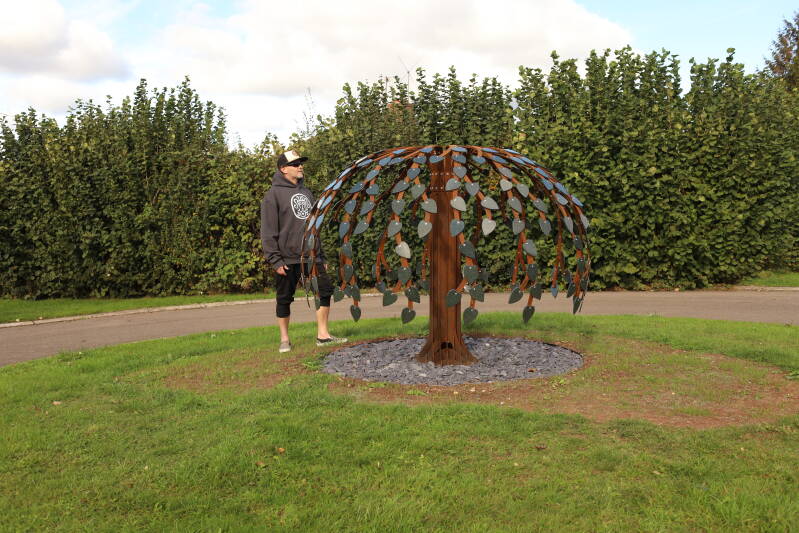
Both of our users have social media outlets and both have many followers. There is a deep need in 21st Century living to reconnect with Mother Earth.
We talked about safety and here both users pointed out that one has to be careful. As Zara states, not all mushrooms are equal in strength or outcome, I also learnt that there are male and female experiences as in, some mushrooms have a female aspect and vice versa. This might explain what many call the bad trip as you might expect one outcome but end up dealing with something entirely different. Jake also pointed out the importance of the rule… “there is a written rule with psychedelics, set & setting - mind & location”. Zara is also mindful of the dose and is very careful being aware that this is serious stuff and things can go wrong, knowing the safe difference between micro dose and full-blown journey. Ending up in tears and somewhat panicked isn’t all together unusual for the casual day tripper. Jake has had some very upsetting experiences, he has come close to demons and god, neither is something for the untrained. This isn’t unusual, he has friends who have experienced the same outcomes though normally brought on through large doses and deep meditation. Likewise, Zara has had her fair share of dark journeys in the early days and these sound like something most of us would want to avoid but she says it best here… “The shrooms show us what we need to know or what we need to let go of and that is why it’s so important to do it in ceremony with space holders and healers rather than to just get high without really respecting the plant”. To this end Zara talks about the importance of a knowledgeable community, Jake is more of a stand-alone warrior and is more than happy to experience everything there is to see and feel.
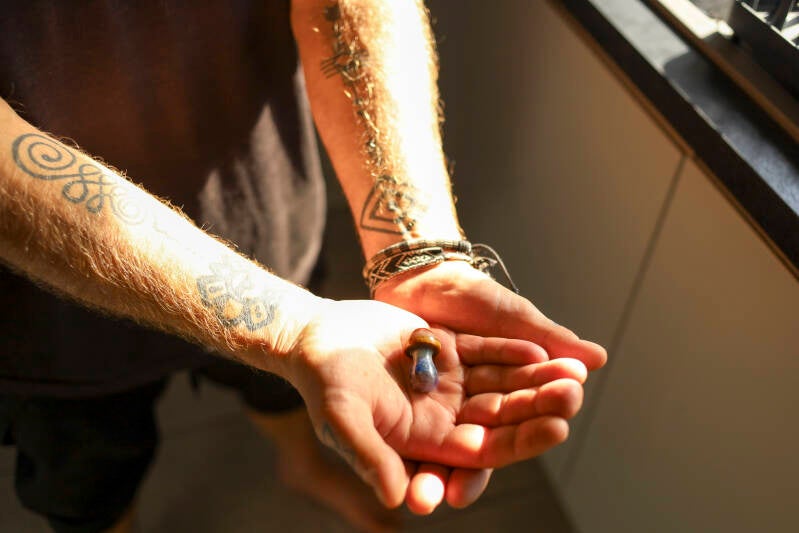
The Magic Mushroom is considered a sacred sacrament by most users.
There is of course a spiritual catalyst here too. Jake was afraid of death as a child, he puts it in this framework; “I was always since a child scared to die, this feeling increased after suffering a small stroke, I had heard that you can speak to God when you consume enough (mushrooms) so that was my main driver - if God is real, heaven must also be real, if that is all real & true then the concept of the soul surviving physical death must also be true by default”.
In terms of the legal v scared Zara had this to say; "I do struggle with this because it is a natural thing, they (the government) hid it from us, made it illegal, punished us for using it all for control to keep us small and knowing the dark. Because taking plants helps you to feel empowered and they don’t want us to be empowered, they wanted and still want us to comply with their rules".
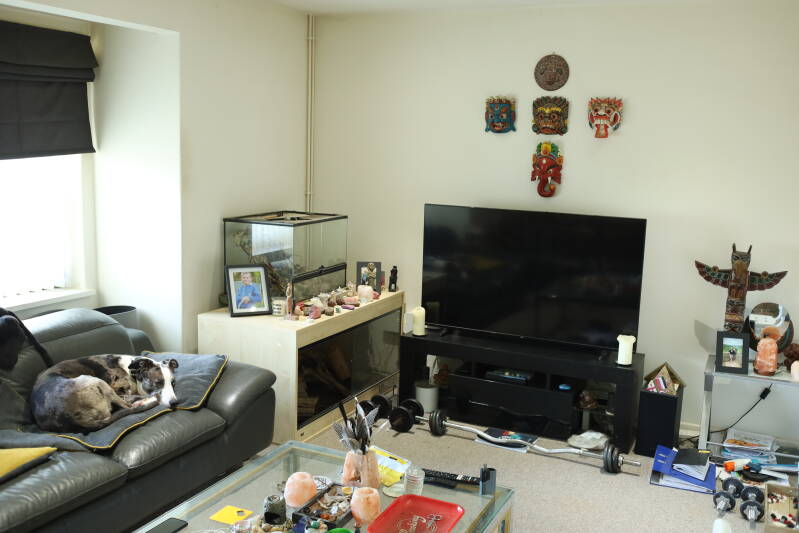
Icons that connect to the spiritual adorn the walls of Jake's home. Symbols of the deep connections he has found through meditation and ceremony.
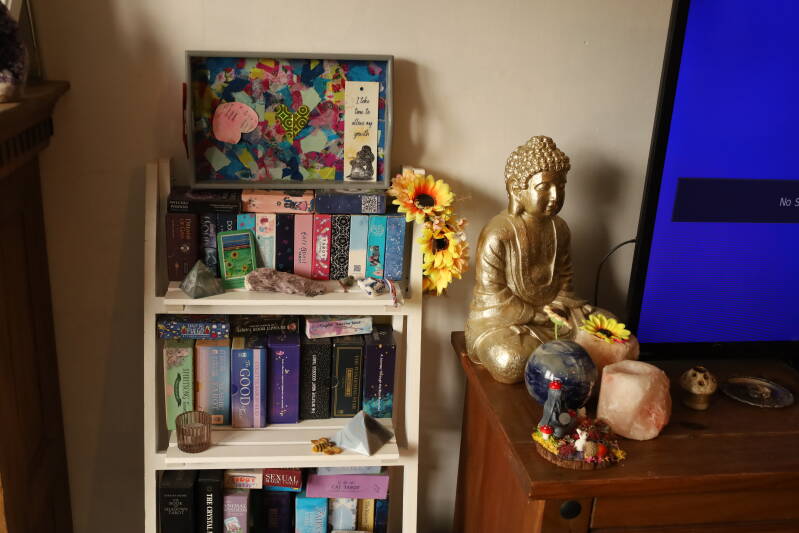
Similarly, Zara also has more than a passing interest in alternative iconography and spiritual pursuits.
Neither Zara or Jake is particularly concerned with the current legal framework, recognising that the control of mushrooms is much like the control of cannabis, a deep-rooted fear of free thinking and self-help being the basis. Zara questions the outcomes within a controlled and legal framework, she was brought up unvaccinated and without the intrusions of big pharma in her life. Jake is a nonconformist and resists pretty much everything that looks official, a growing trend and one we should all follow to some extent. It asks a good question, should plant based medicines and therapies be controlled by government or pharma? Given the power of community i.e the hidden network and ceremony, probably not.
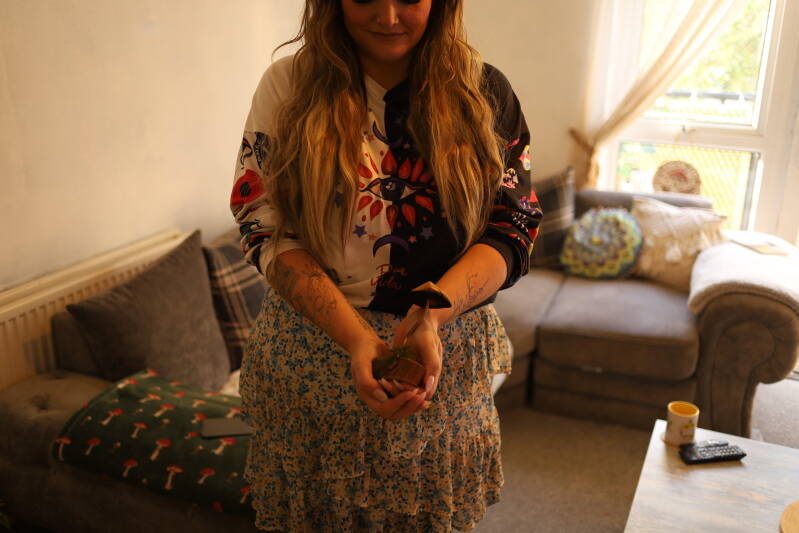
Zara holds an ornament of the sacred mushroom that brings healing and discovery to all who consume it - experienced guides should always be utilised.
It is fair to say that this is a huge subject, asking 1 question seems to provide 20 answers. Neither Zara or Jake were what you might expect to meet, they were not dressed in tie dyed clothing, they didn’t say “man” or “far out”, they were not at all like the flower power hippies you might have thought. Both were very considered and knowledgeable individuals at ease with my presence and questions. They came across as balanced and well rooted, it was refreshing.
I came away thinking that the power of the magic mushroom might had drawn me in, perhaps even made me a vehicle for telling this story, I had unwittingly become a part of the neural network, the hidden network, the community and one with the courage to ask. Ginsberg then, might have been too quick to judge, too sterile in his thinking to find the real truth. There were several pieces of detail that have been omitted here for legal reasons, but rest assured, if you really want to know, you only have to seek and if the intent is correct, you will surely find your answers.
Thank you for taking the time to read this article. If you found it useful please like and share to show your support.
The author is eternally grateful to Zara and Jake for their time and generosity.