A Sense of Identity & Belonging, in Britain.
No Answers, Just Questions:
Looking at the Britain I Inherited.
Photographs & text by Chunk.
When you are young, the world arrives already made. The streets are there before you, the houses, the schools, the places people work and gather. There are names on buildings and statues in town centres, rules you are expected to follow and ideas about what a successful life should look like. None of it feels particularly strange because you have nothing to compare it with. You grow up inside it, smothered by its logic before you have the words to question it.
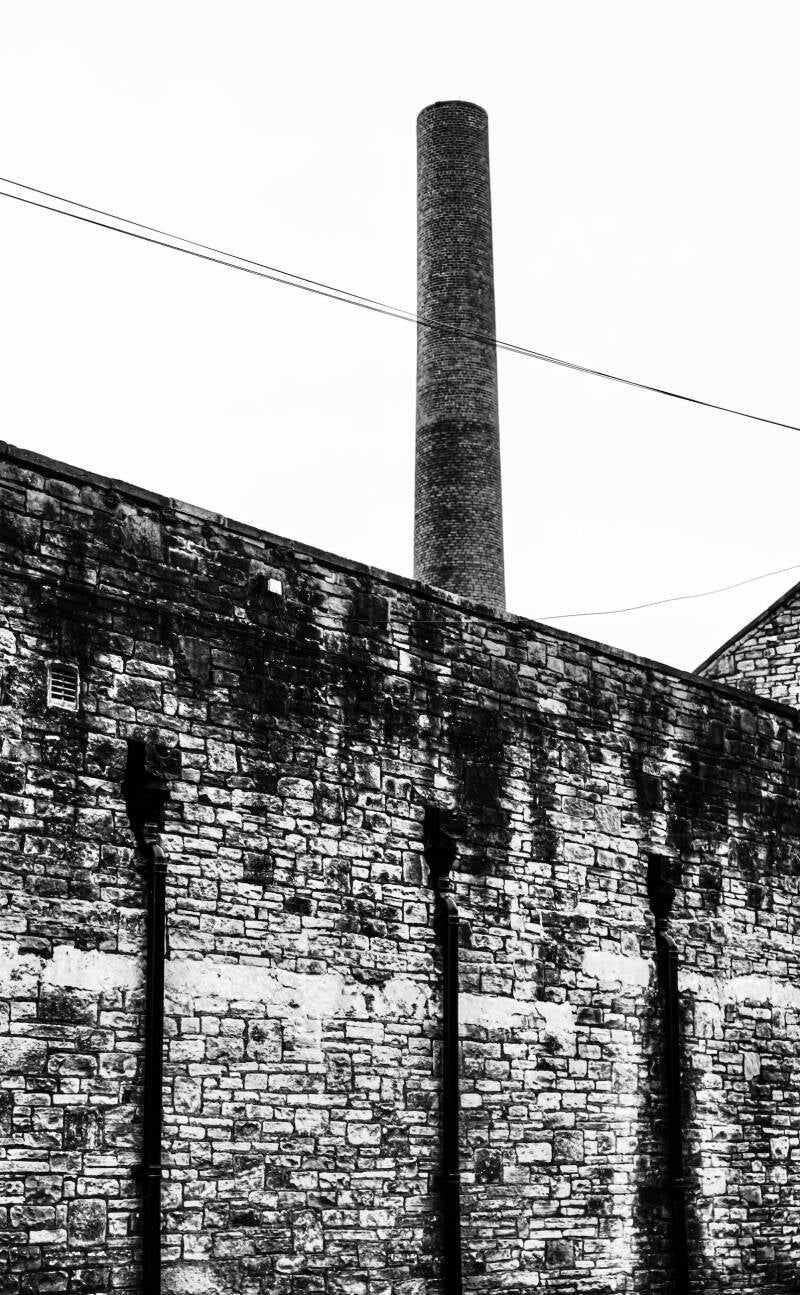
Something changes when you get older, I’ve found myself wondering about the stability and landscape of the place I call home. Perhaps it is becoming responsible for someone else, maybe simply reaching the age where the future you imagined as a child is no longer some distant place. I begin to notice how much of the world is inherited rather than inevitable. Things continue because they have always continued. Old decisions remain embedded in the landscape long after the reasons for them have disappeared. Histories that have been carefully preserved while others seem to leave little trace at all.
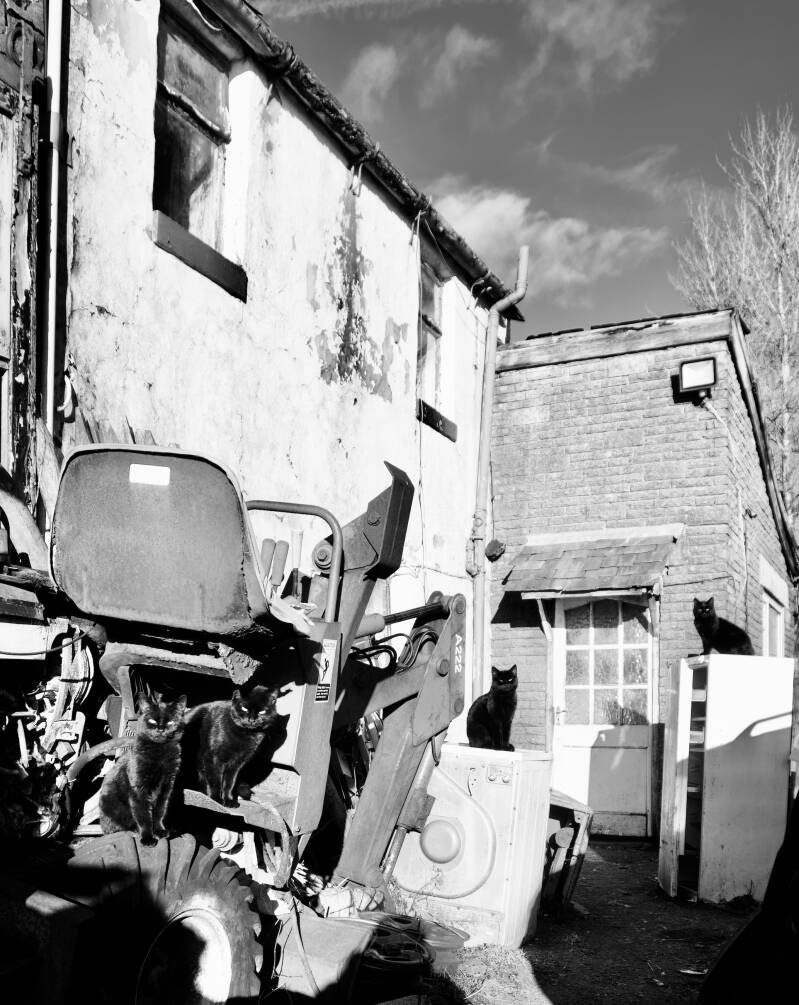
The same feeling appears in smaller things. Objects made to make life easier eventually become waste and clutter. Books containing somebody's effort, knowledge and imagination reduced to rubbish. Businesses disappear behind shutters and eventually become part of the scenery. None of these things are particularly remarkable on their own, yet together they suggest something about the way we live: how quickly value can change, and how easily something can be forgotten once it has stopped being useful.
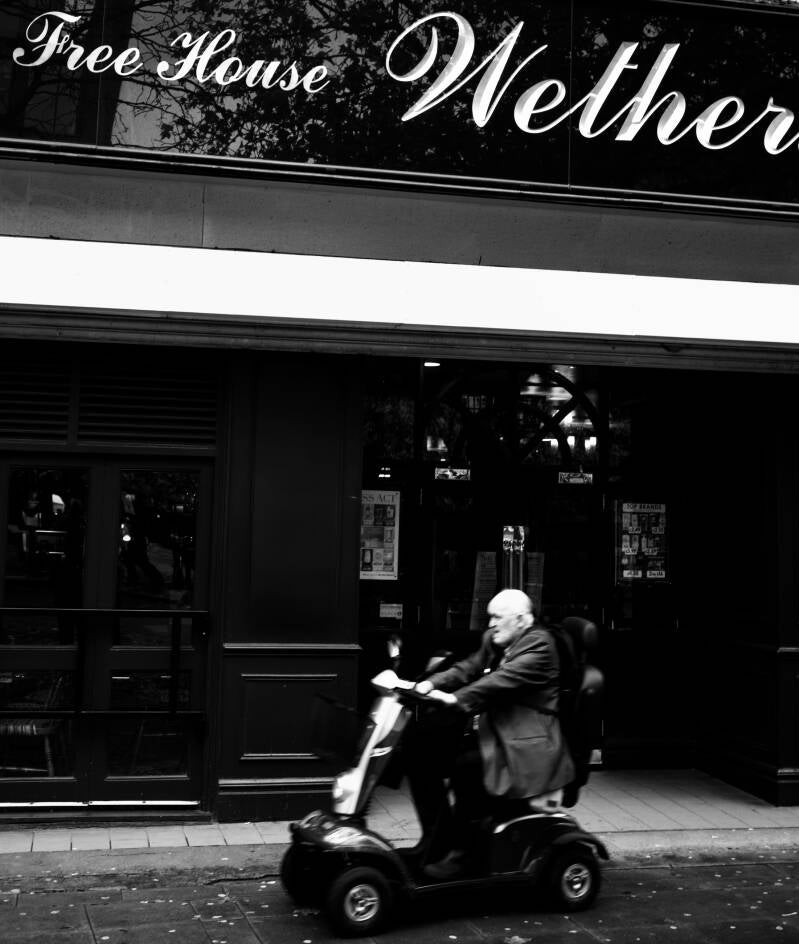
And the same applies to people. We are comfortable measuring lives by what they produce, earn or achieve, while finding it harder to know what to do with those who fall outside the measurement. A person sleeping on the street becomes something to avoid and walk around. An elderly man spends his remaining days and income in a pub because it is one of the few places left where there is somewhere to sit and someone to hopefully talk to. Struggle becomes part of architecture, framed by the small forms of escape that make it easier to live alongside.
Eventually, the presence of it stops demanding an explanation.
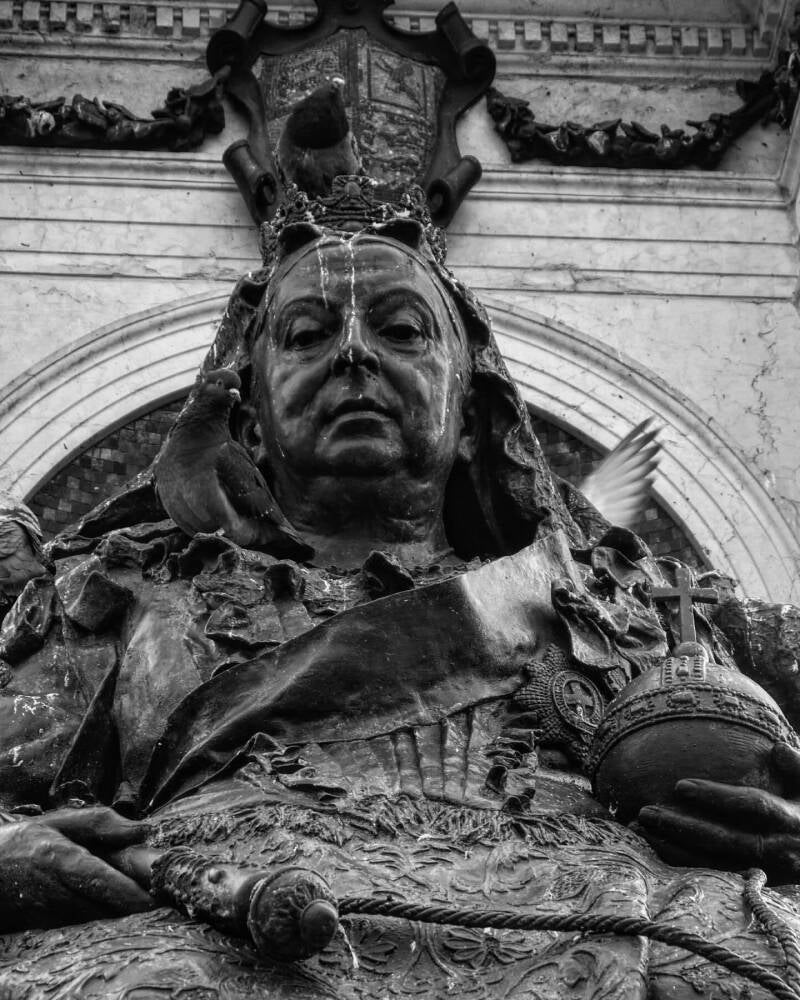
That is where my questions about power begin. Not only with wealth or politics, but with the quieter forms of authority that surround us. Who gets remembered? Why some are elevated? Which histories are considered important enough to put in stone? Certain forms of power have existed for so long that they no longer appear to be power. They look like tradition, heritage or simply the way things are. Maybe that’s what makes them difficult to question.
I find myself looking at that familiarity differently. Not because I think I have the answers, but because the older I get, the harder it becomes to believe that things simply have to be this way. Why should one kind of life be considered respectable while another is treated as failure? Why are some people born with a much greater margin for error than others? Why does opportunity seem so unevenly distributed, yet responsibility for success remain so personal?
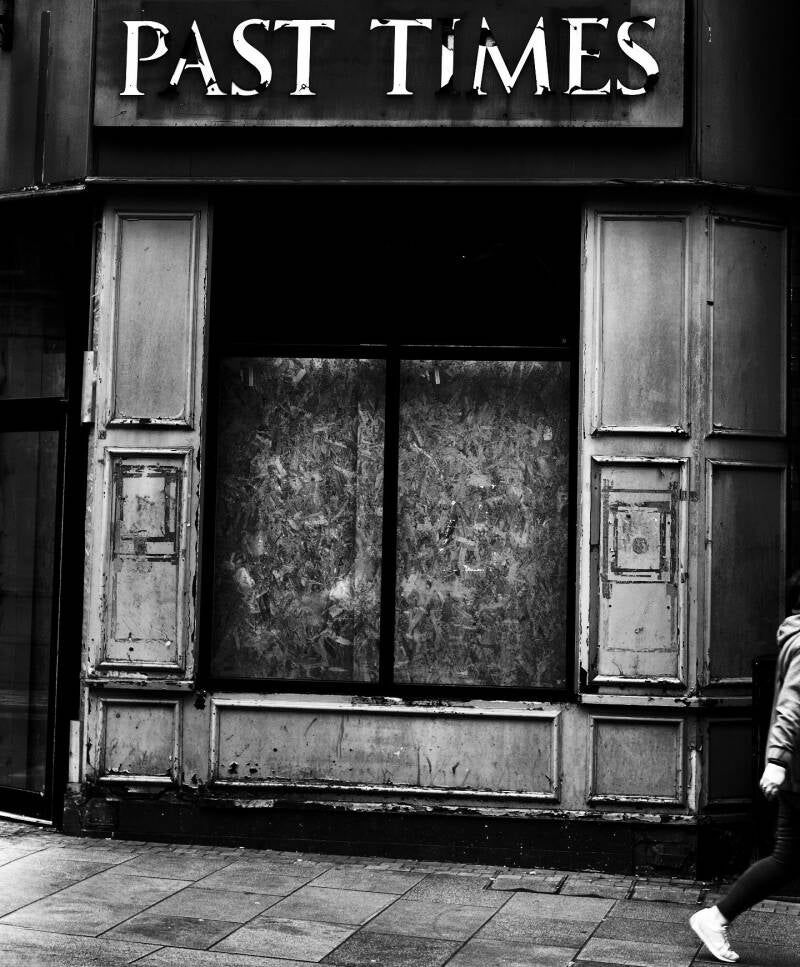
There are also plenty of ways not to dwell on these questions. I begin to feel that Modern life is increasingly designed to take our attention from us. Work fills the week, consumption gives us something to pursue, and alcohol can make an evening disappear. Nostalgia offers another escape, allowing us to imagine that there was once a simpler version of the world that has been left somewhere behind us. Perhaps escapism isn't always about running away. Sometimes it is simply filling the time so we never sit with the questions.
I am not outside any of this. I want the same ordinary things: security, comfortable distractions and enough money. I participate in the systems I am beginning to question. That contradiction matters to me. It is easy to criticise a society as though you are standing somewhere above it or outside. However, much harder to admit that you have been shaped by the same assumptions, benefited from some of them and struggled against others.
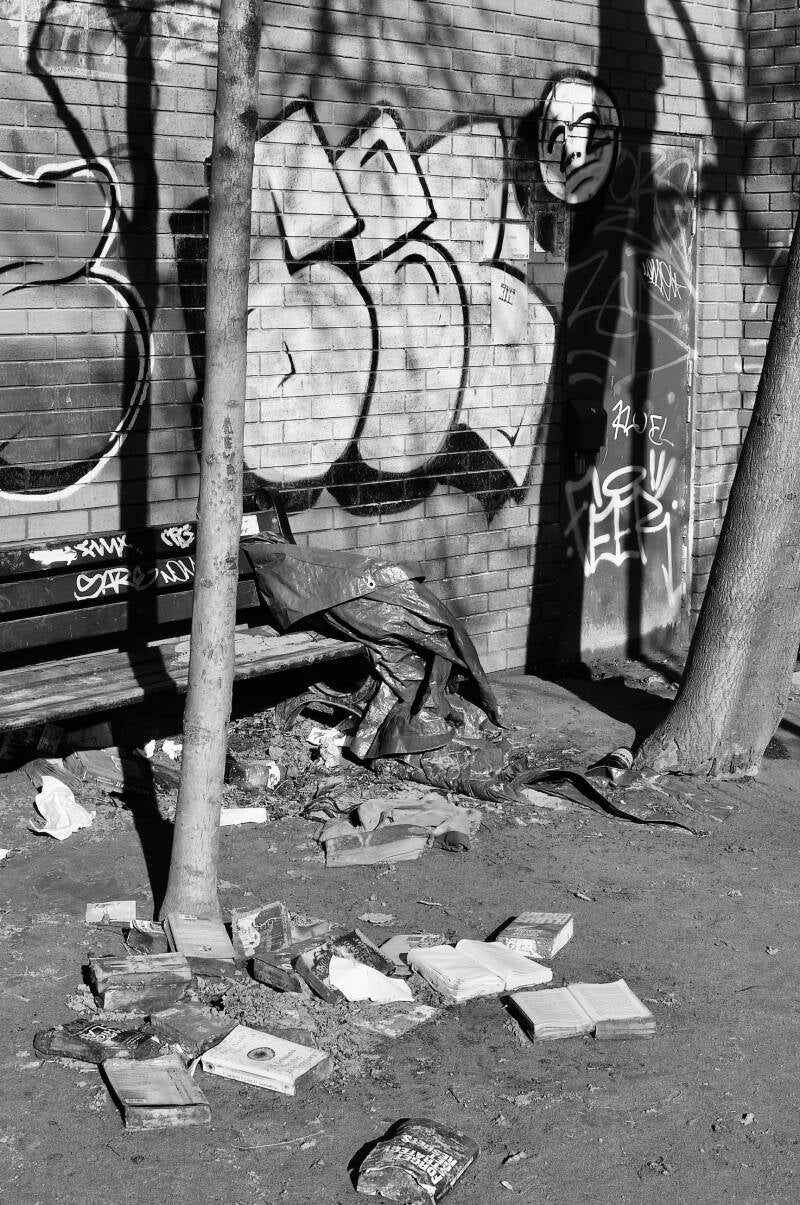
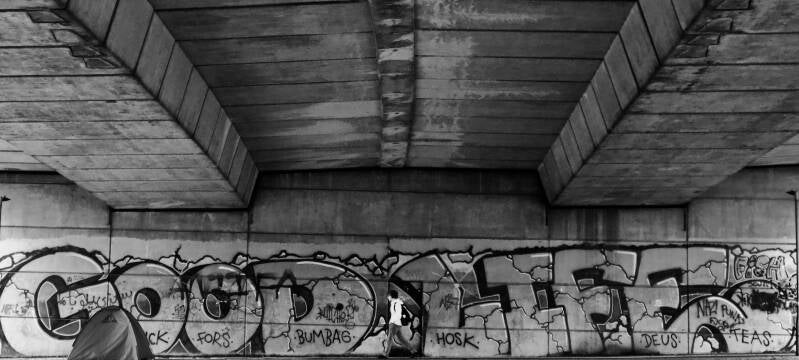
Becoming a father has made that tension more immediate. There is now another person who will inherit this place without having chosen any of it. They will encounter the same streets, institutions and expectations, and eventually begin working out for themselves what is normal and what isn't. Before a child has their own thoughts on the world, they simply accept it. Perhaps adulthood is partly the realisation that we are still carrying beliefs we accepted before we were old enough to understand them.
I don't know exactly what should be kept and what should be discarded. I am not convinced the answer lies in looking backwards, and I don't have much faith in the idea that everything ahead of us automatically represents progress. The past contains its own failures and I’m sure the future will contain ours.
What interests me is the space between the two, the uncomfortable moment when familiar things stop feeling inevitable. The moment a monument becomes a question, a street becomes a history, a discarded object becomes evidence. These photographs are birthed from that. They are not an attempt to explain the world around me so much as a record of what happens when I can no longer look without asking why it looks the way it does.
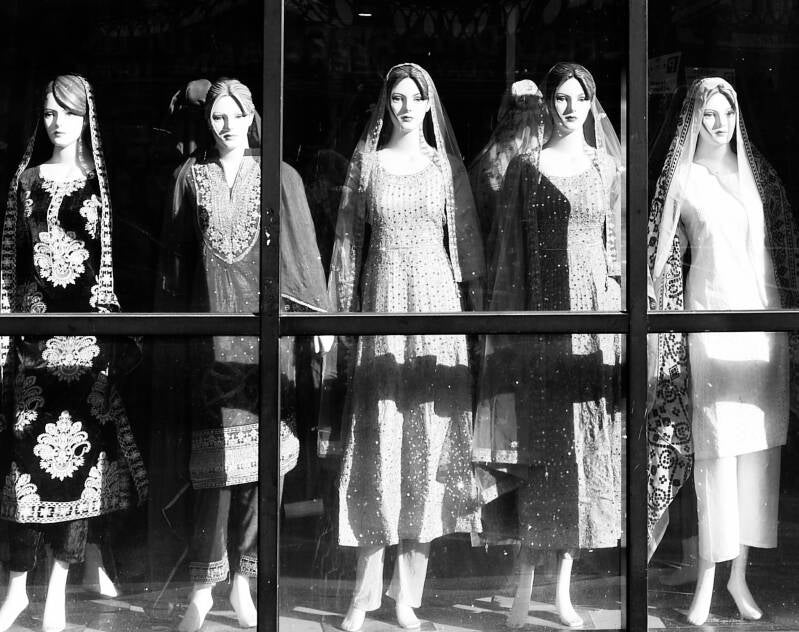
Perhaps there is some hope in that. Not in believing that everything will simply get better, but in refusing to accept that the world has to remain exactly as it was handed to us. There is another generation growing up inside it now, absorbing its streets and assumptions and I’m unsure what answers I will be able to give them. Maybe the most important thing is to try to leave them with the freedom to question what they inherit.
My curiosity started with what I knew: Britain and being British. But the more I learn and look, the harder it becomes to see these questions as belonging only to my own experience, or even to the country I call home.
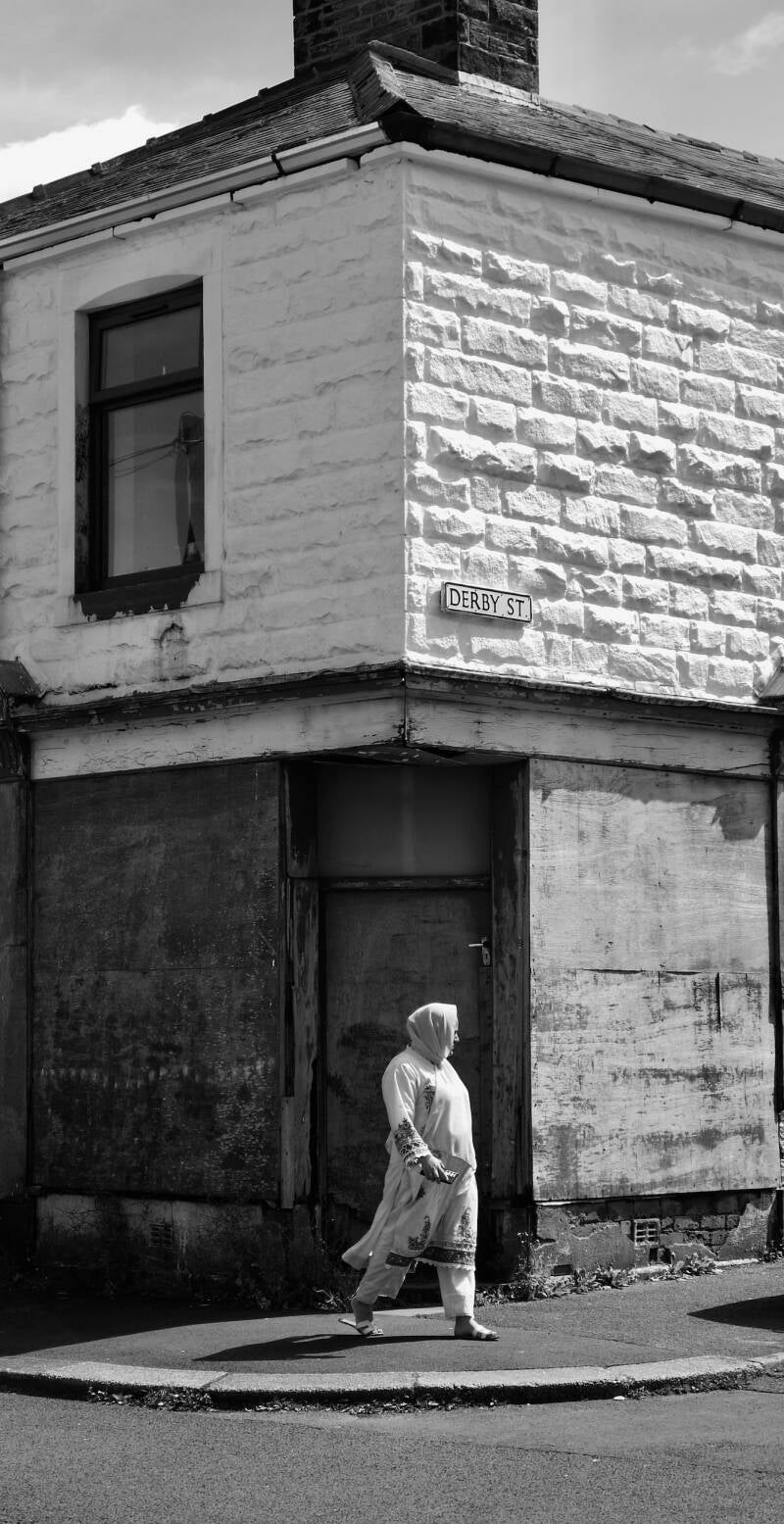
Someone born in Britain and someone whose family came from another part of the world carry very different histories, yet still find themselves trying to make a life in the same places. Their backgrounds might be very different, but the pressures of ordinary life can begin to overlap. Work still needs to be found. Rent still needs to be paid. The future still needs to be considered. Despite contrasting backgrounds, people can still find themselves at the same crossroads, asking the same questions.
Realising that, through the differences, reveals something remarkably ordinary underneath. We come from varied places, inherit different histories, carry different identities and see the world through experiences that can be difficult for someone else to understand. Yet much of what we are striving for is much the same. We are trying to earn, eat, keep warm and dry, look after the people we love and to believe there is some kind of future worth moving towards.
That can become harder to see when division is so visible, and at times deliberately encouraged between people who might otherwise find common ground. Arguments about identity and belonging can make the differences between people feel larger than the things they share. Yet underneath those differences are people dealing with many of the same basic pressures.
This also makes the idea of home more complicated. We can live somewhere our whole lives and still feel uncertain about what that place means to us. For some, home is tied to where they were born. For others, it can be connected to their parents, their religion, their family history or somewhere they have never lived themselves. Sometimes those connections can stretch across countries, cultures and generations.
Reaffirming the earlier question: what happens when the place you call home feels unstable? And how much more complicated does that become when somewhere else that feels like part of you is experiencing its own conflict?
All of these things can exist alongside the practical reality of trying to build a life where you are now. None of us chose our starting conditions. We inherit history, culture, economics and the circumstances of the time we happen to be born into. Yet we are still expected to navigate them as individuals, carrying with us the assumptions and expectations of those who came before us.
Scales can change, but the experience can remain strangely familiar. Class, economy, government, war, history and national identity can all shape a person's life without that person ever having any meaningful say in creating them. Someone else makes a decision, and ordinary people live with its consequences.
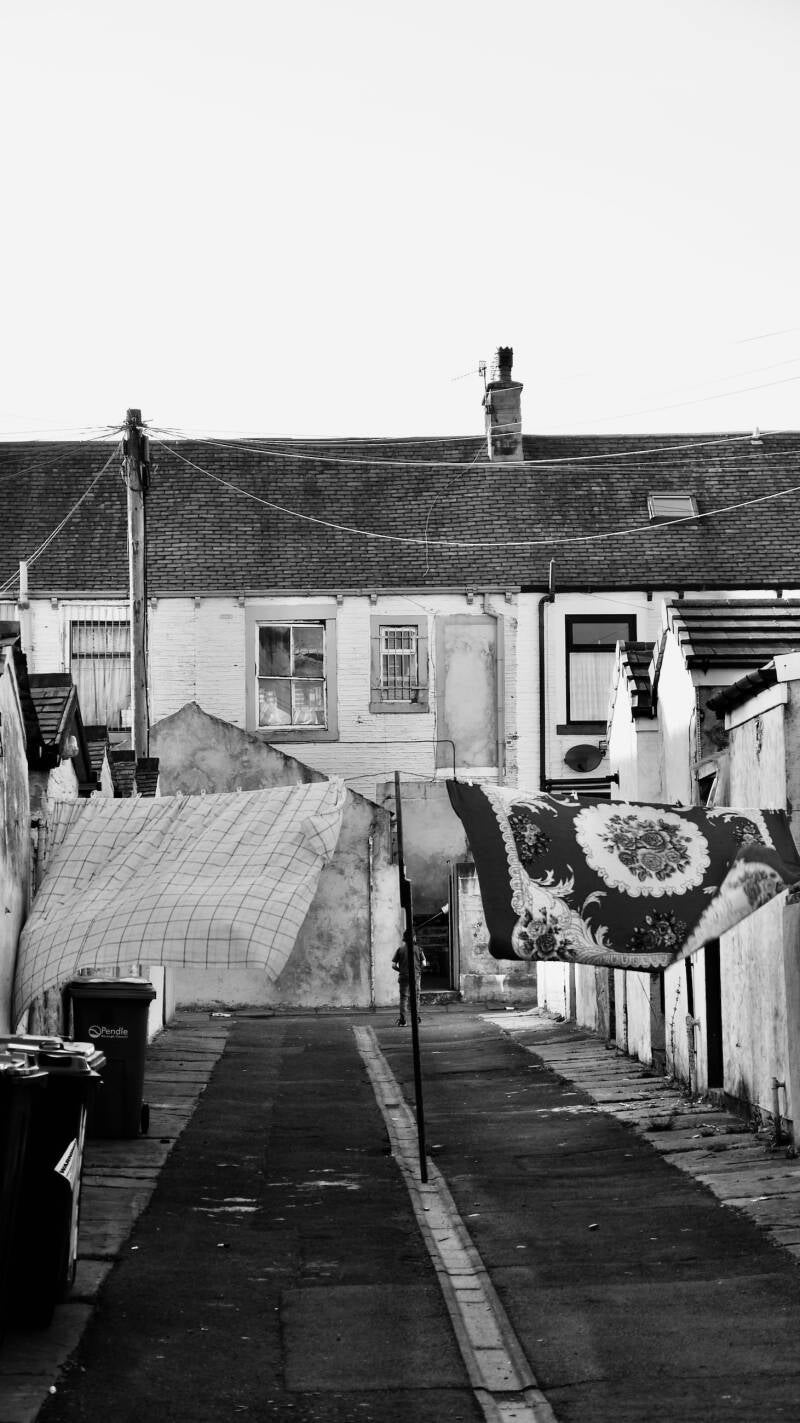
Beneath these larger forces are ordinary people, still trying to work, raise a child and keep their family going. The systems shaping those lives can be enormous and distant, but life still has to happen beneath them. There is no pause button for every day. Even when the world feels chaotic, you still have to keep moving through it. You push on, because stopping can mean falling behind, and falling behind can mean slipping through the cracks.
Decisions are made far away by those who will never understand the consequences. Somewhere else, people are left to navigate those consequences in their everyday lives. One is distant and the other is immediate. Yet both exist at the same time, within the same world.
This shows one of the things that connects us despite everything that separates us. We can come from different places, inherit different histories and carry different identities, while still finding ourselves faced with the same basic task: trying to make a life within circumstances we did not choose.
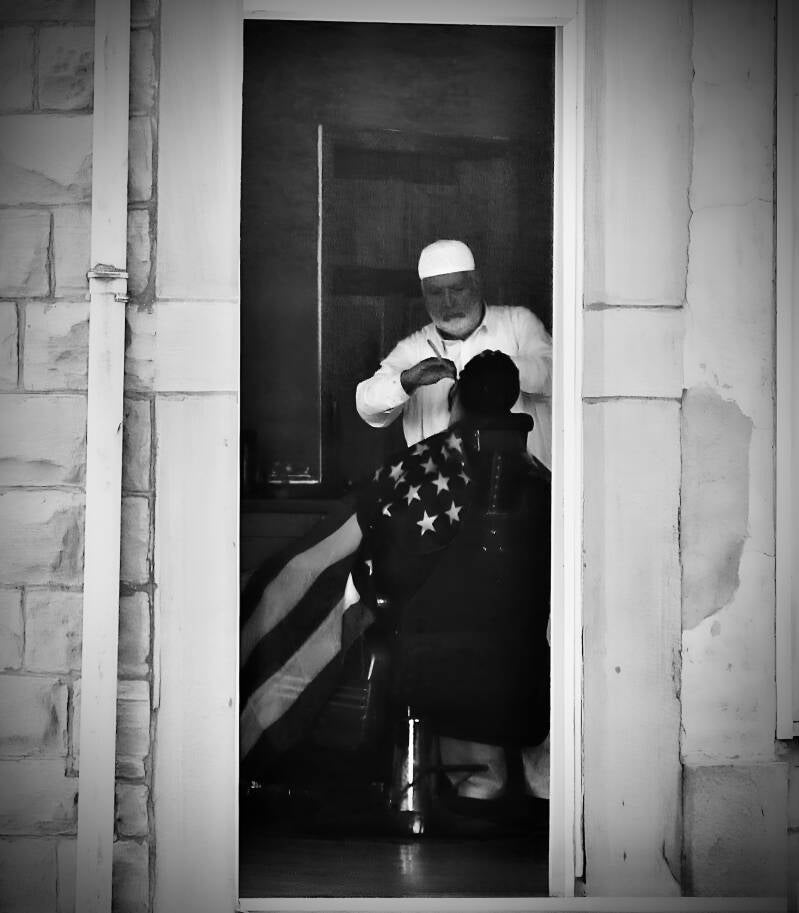
One such moment happened in a barbershop in Lancashire.
Seen through the doorway, a quiet moment unfolds. A Muslim barber works patiently over his client, who is draped in a gown patterned with the American flag. It is an ordinary scene, but the timing gives it another weight. The photograph was taken on the morning of June 22nd 2025, the day after the United States launched Operation Midnight Hammer, the first direct strikes on Iran.
The stars and stripes usually associated with a very different scale of life. Governments, military power and foreign policy made thousands of miles away. Here, it is reduced to a barber's gown, resting across the shoulders of a man sitting quietly in a chair. However gentle the image appears, there is something difficult to ignore about the weight of that symbol resting over Middle Eastern bodies once again.
A global conflict can feel impossibly distant until some part of it enters an ordinary room. A symbol appears. A conversation changes. Someone thinks about family somewhere else, wonders what people might think of them and simply carries on with their day.
I don't know what this man was thinking as he sat there, and I don't need to. What interests me is that the photograph holds all of these things at once, the ordinary, the personal and the much larger forces surrounding them.
The barber is doing his job. The client has placed his appearance, and quite literally his safety, in another person's hands. A cut-throat razor grazes across his skin, relying entirely on the care and precision of the person holding it. It is a small but very real act of trust. Something we all do this in much larger ways. We place our safety, our livelihoods and our futures in the hands of people and institutions who may only ever know us as data and statistics. We trust those in power to make decisions that can shape the circumstances we live within.
On the largest scale, those decisions can determine who is protected, who is put at risk and, in the case of war, who lives and who dies. Here, that trust is visible. You can see the person holding the razor. From where we are standing the question arises whether the hands we have placed our trust in are using it to protect us, or simply deciding what is happens to us ?
What interests me are the ordinary lives that continue while these larger forces unfold around us. Not the conflict itself, or the people who hold the power to shape it, though they are worth questioning. What matters is the lives that are rarely told in history or chosen to be set in stone.
The world can feel increasingly divided, but the ordinary continues. We still have to provide. To trust. To make a home somewhere, even when the idea of home itself is complicated. That photograph leaves me with the same questions that have followed me from the start.
What are we supposed to do with what we inherit?
What can we change, and what do we simply have to learn to live with?
And what is to come?
I feel no closer to the answers.
Maybe growing older is not about figuring out the answers but caring enough to look and ask the questions.
Thank you for viewing the photos and reading this article.
Please like and share to show your support.
You can see more of Chunk's work at this link.