Asking Questions About Who Gets Photographed.
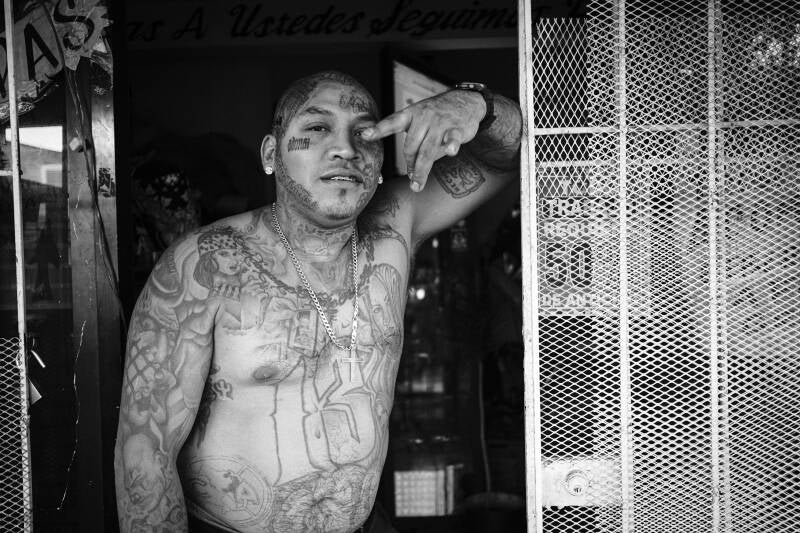
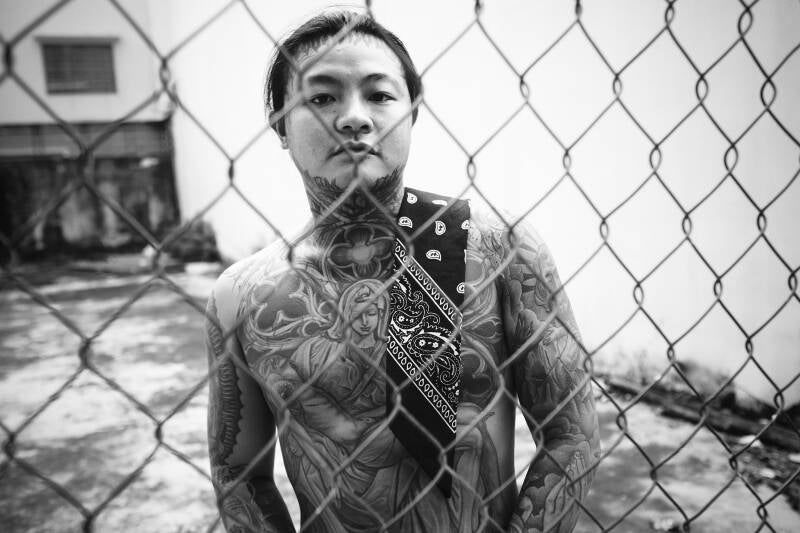
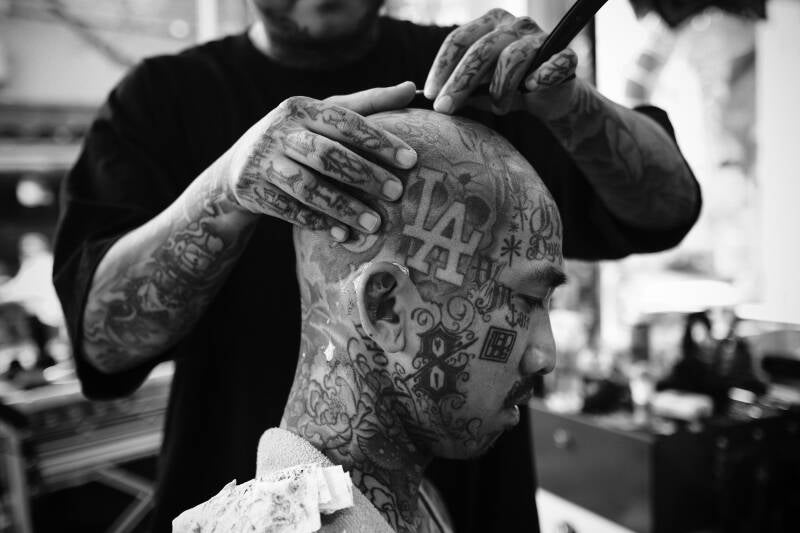
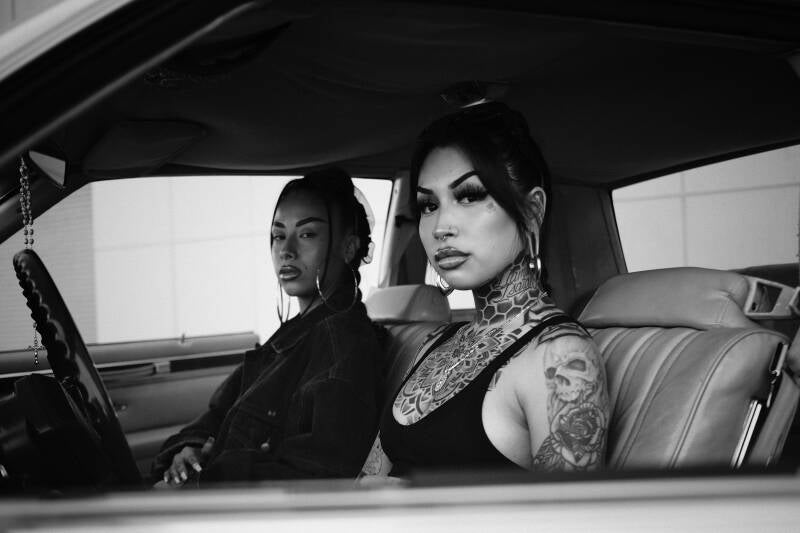
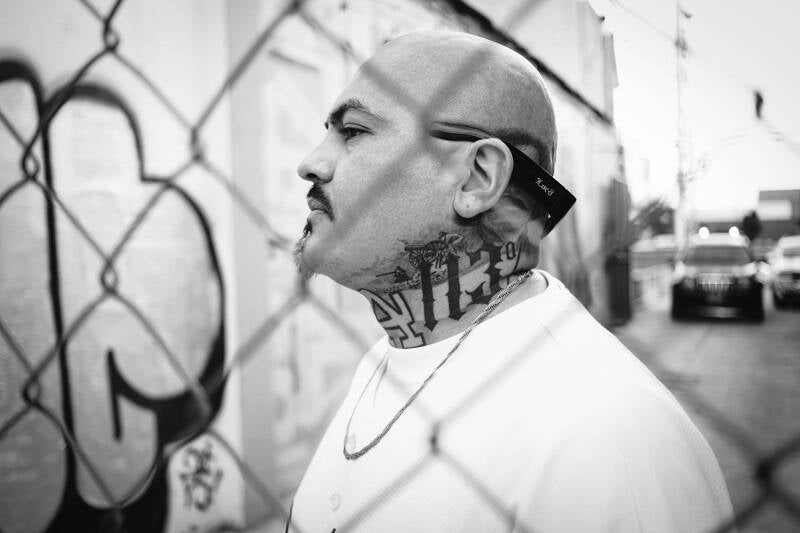
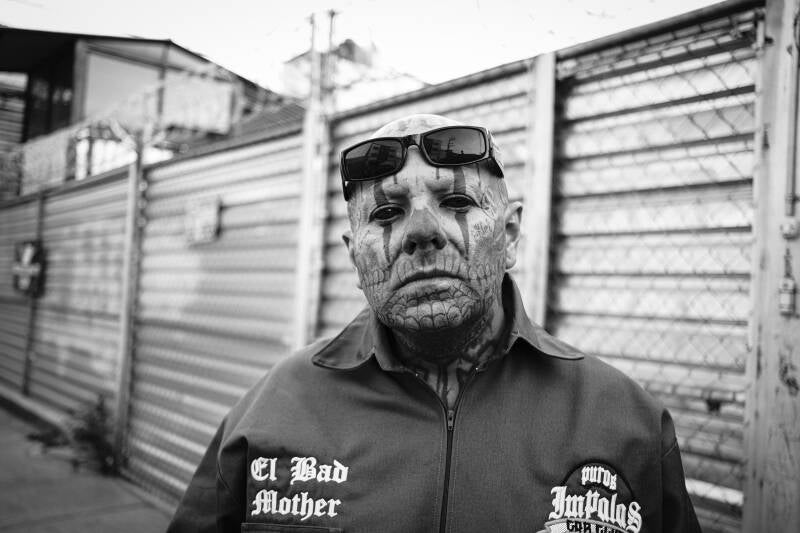
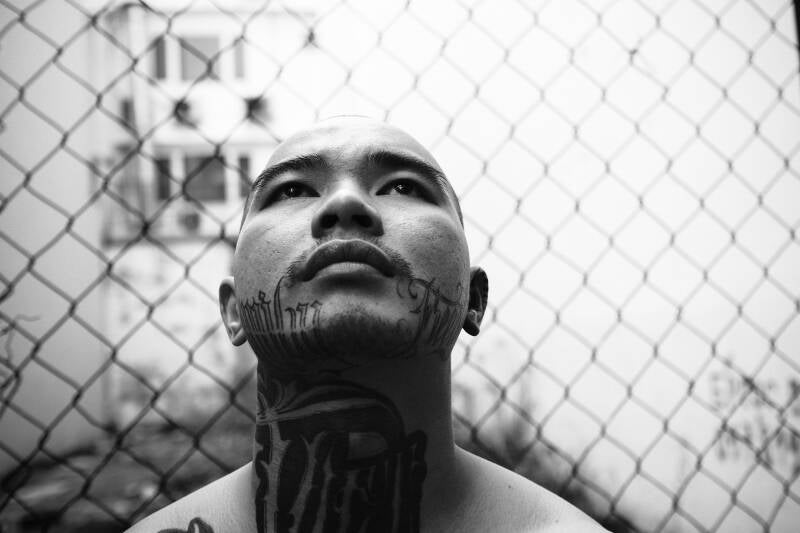
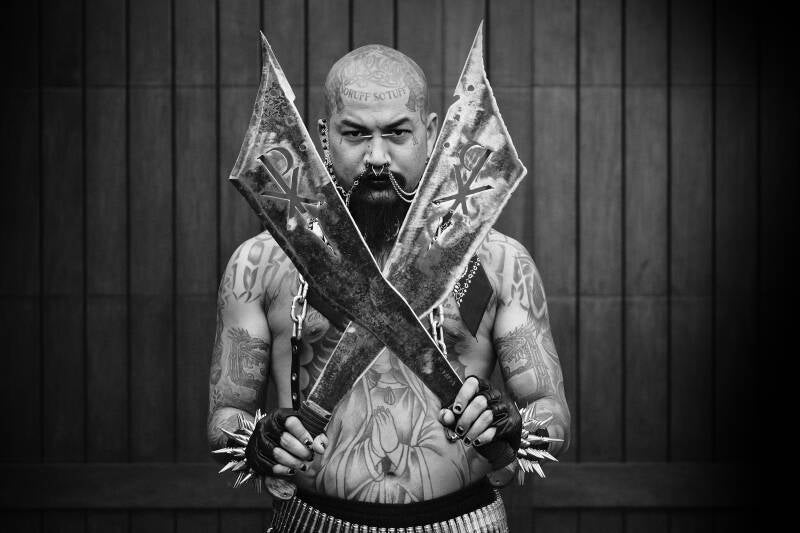
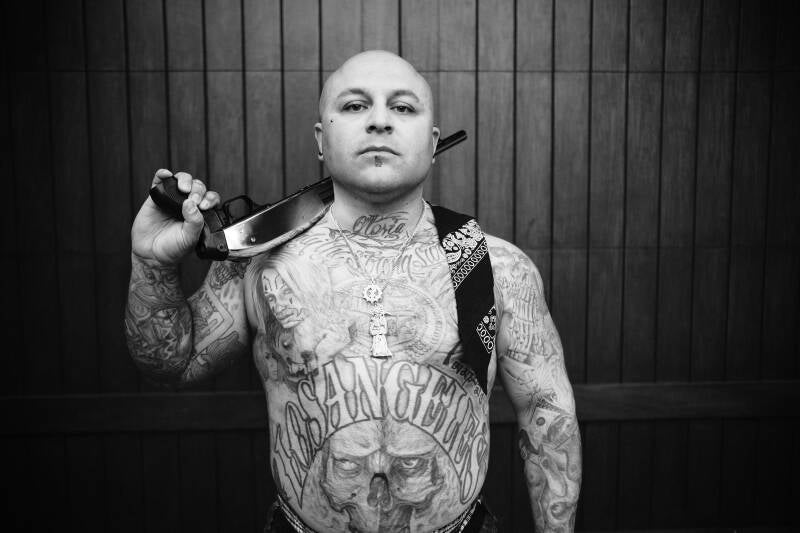
Straight Out of the Hood.
Photographs & text by Brice Gelot.
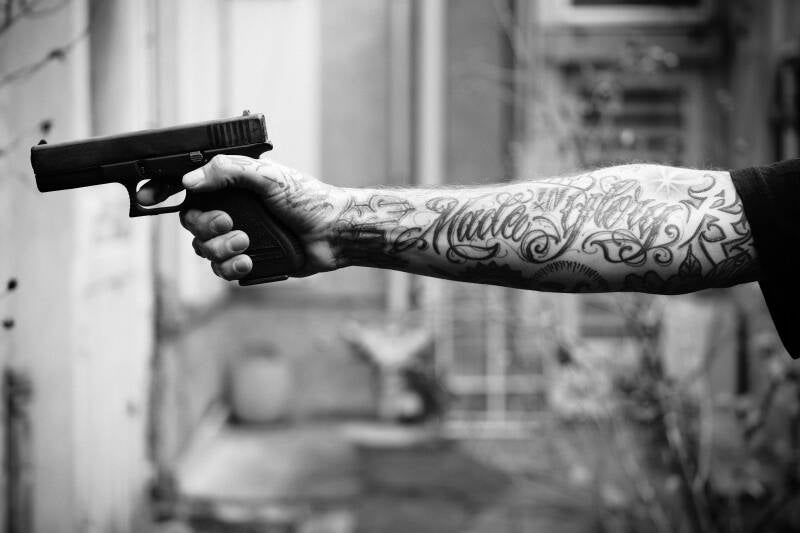
Street Knowledge Meets Photography.
A Documentary Practice Developed Since 2004.
Brice Gelot is a self-taught French documentary photographer based between Dijon and Paris. He has been developing his photographic practice since 2004, when he first began photographing skateboarding and the culture surrounding it. What started as a way of documenting a subculture gradually evolved into a long-term
exploration of the streets, the people who inhabit them, and the realities that often remain unseen.
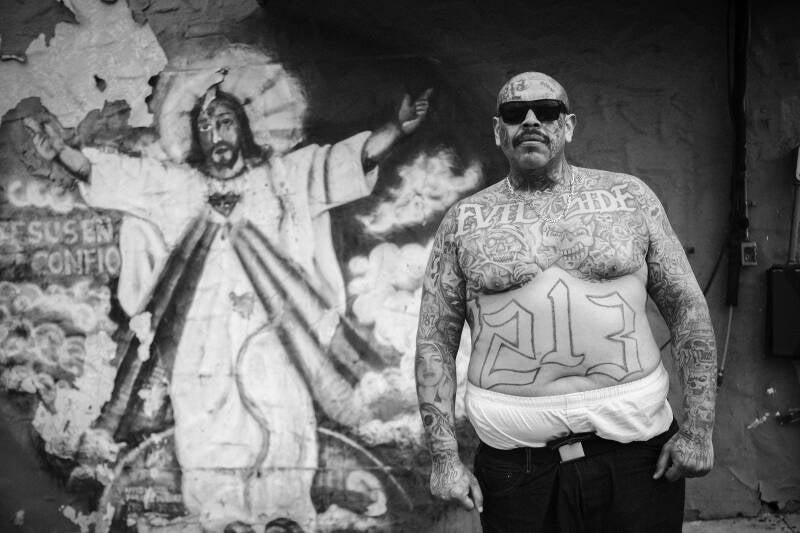
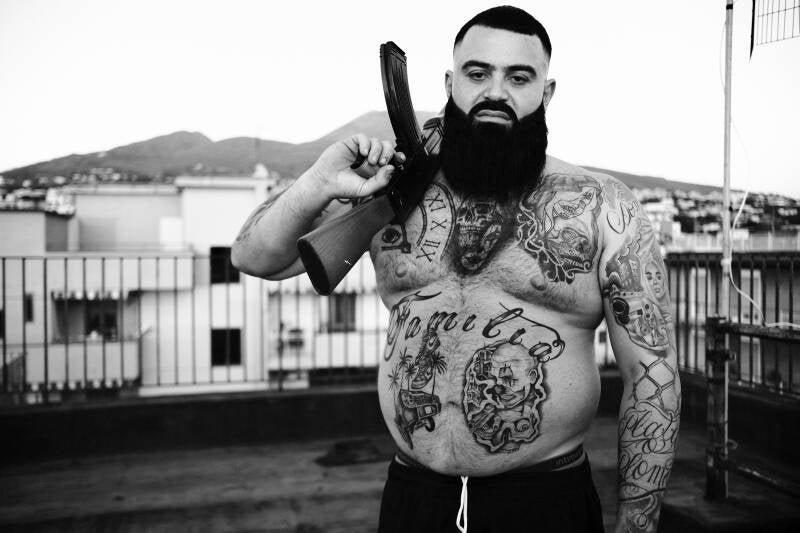
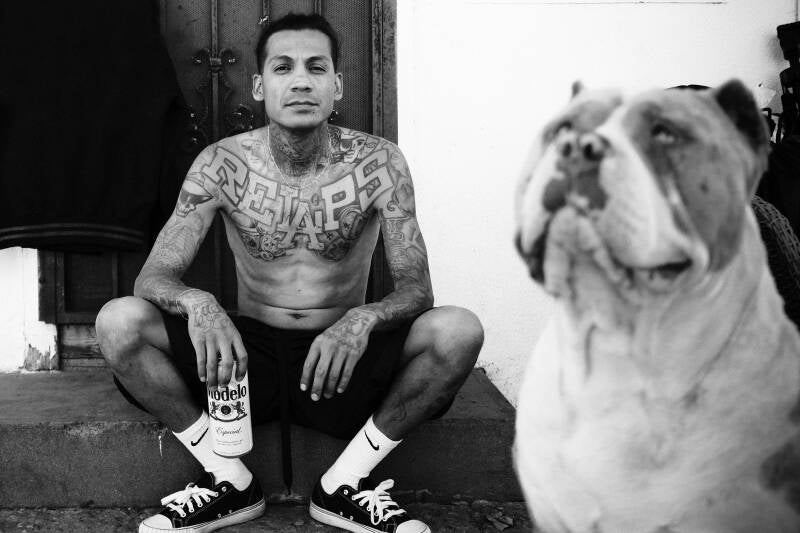
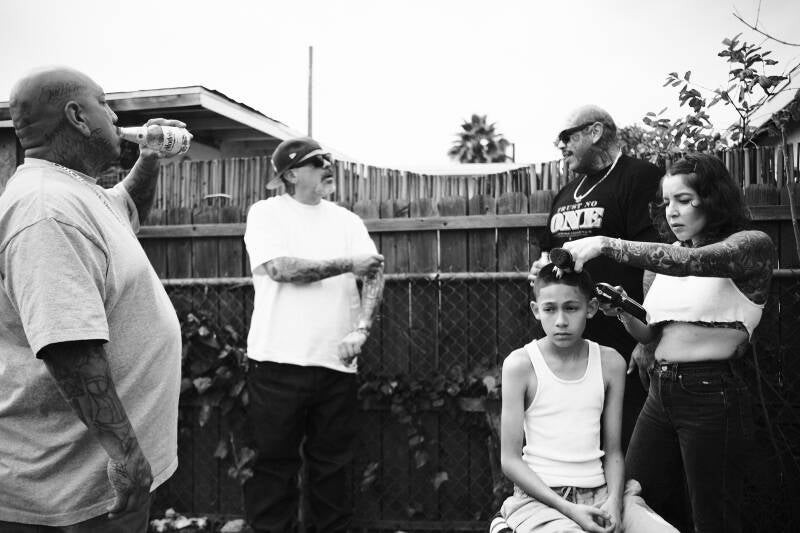
Rooted in the streets, Gelot's work goes beyond documenting what he sees. His photography is driven by a desire to get closer to people, understand their realities, and give visibility to lives that are too often overlooked. Over the years, his practice has taken him into different urban environments, from Paris and London to Naples, Los Angeles, Saigon and Mexico City. Although each place has its own social, cultural and economic context, he is drawn to the same subjects: human relationships, marginalised communities, subcultures and the complex realities that exist beyond the surface of everyday life.
His work explores themes such as social inequality, addiction, homelessness, violence, religion and tattoo culture. These are not isolated subjects, but different expressions of the environments he photographs and the people he encounters. He is interested in the individuals behind the labels, the stories behind the appearances, and the contradictions that shape everyday life. For Gelot, the street is not simply a backdrop or a visual aesthetic, but a living environment with its own codes, hierarchies and identities.
Photographing it requires more than observation. It means spending time here, building relationships, earning trust and learning when to photograph and, just as importantly, when not to. His approach is based on proximity and long-term engagement. Rather than staging situations or manufacturing images, he immerses himself in the environments he documents, allowing the relationships he develops to shape his work. Some projects require months of preparation and extended periods on
location. Working independently, often alone, gives him the freedom to establish genuine connections and approach each situation on its own terms.
Photography, for Gelot, is also about accepting the unpredictability of reality. He does not seek to impose a narrative on the people he photographs or reduce their lives to a particular social issue. Instead, he allows his images to speak for themselves, with all their ambiguity, dignity, beauty and brutality. His photographs are not intended to provide easy answers, but to invite viewers to look beyond their assumptions. His visual language has evolved alongside this approach. Working with both analogue and digital photography, Gelot has developed a particular affinity for black-and-white film, whose grain, contrast and tonal range have become integral to his interpretation of the world around him.
Whether working with 35mm or medium format, he favours natural light and a direct, unembellished way of photographing. His images retain the texture and immediacy of the places and people they represent. At the centre of his practice is Straight Out the Hood, an ongoing documentary project that brings together more than two decades of photographic experience and a continuing exploration of urban communities around the world. Rather than approaching each city as a separate story, Gelot sees the project as an evolving body of work, connected by the people he meets, the environments he enters and the social realities he encounters. It represents an ongoing commitment to documenting lives and cultures from within, rather than observing them from a distance.
However, his work extends beyond a single project. Whether photographing people experiencing homelessness, exploring tattoo culture or documenting communities living on the margins of society, Gelot is ultimately interested in the same fundamental questions: who gets seen, whose stories are told, and how photography can challenge the distance between the viewer and the subject. He does not consider himself an outsider looking in, nor does he claim to speak on behalf of the people he
photographs. His role is to be present, listen, observe and create images that bear witness to the realities he encounters. The camera becomes both a tool for documenting and a means of establishing a connection.
More than twenty years after he first picked up a camera, Gelot's motivation remains the same: to go where the stories are, meet people on their own terms and photograph the world as he experiences it. For him, documentary photography is not about chasing extraordinary moments or dramatic images. It is about being
there, building trust and recognising the significance of lives that might otherwise go unnoticed.
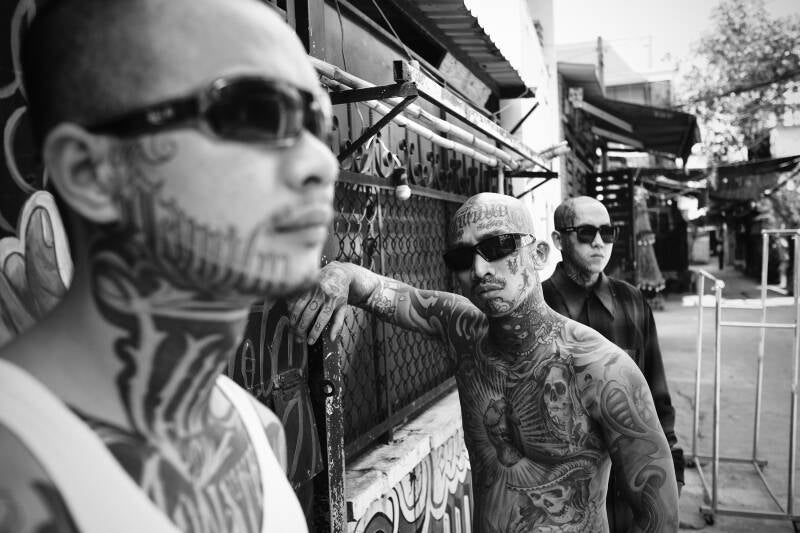
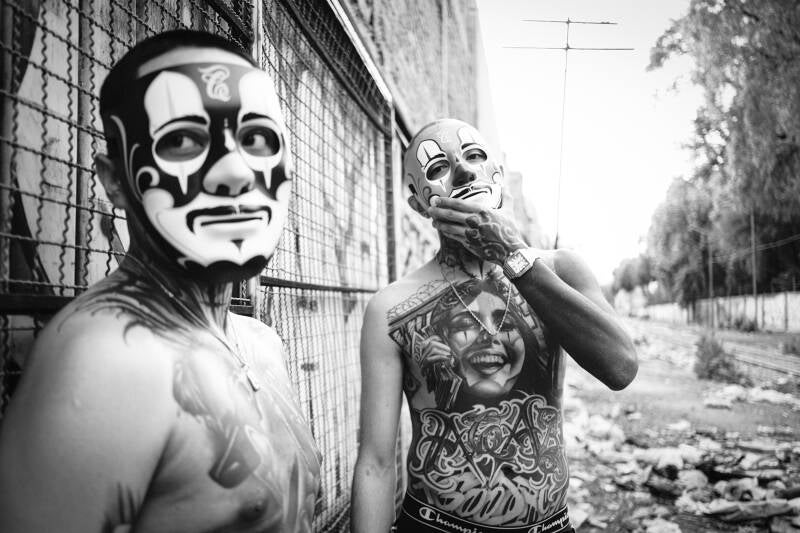
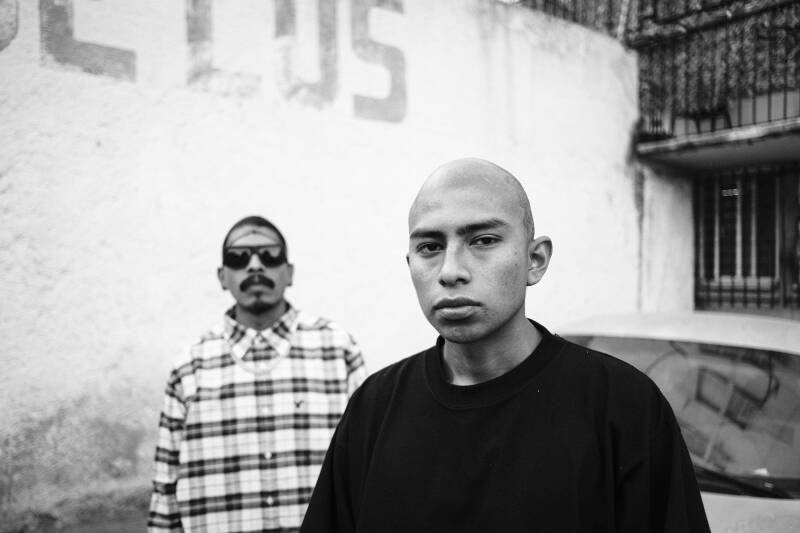
Thanks for reading and viewing these documentary photographs by Brice Gelot.
To see more of his work see here www.nsd5150.com and here instagram : @bricegelot